法律情報

Corporate Rehabilitation Process
In Washington D.C., the corporate rehabilitation process is a vital legal mechanism for financially distressed companies to reorganize rather than liquidate. This process, governed under federal bankruptcy law (primarily Chapter 11 of the U.S. Bankruptcy Code), enables businesses to continue operations while resolving outstanding debts through court-approved plans. It offers a structured pathway for companies to achieve financial stability, protecting jobs and maximizing value for all stakeholders.
続きを読む

Why Consult a Motorcycle Accident Law Office When Facing Civil Liability?
When you are involved in a motorcycle accident, understanding your exposure to civil liability is critical because the legal consequences extend far beyond any criminal charge and can result in significant financial obligations regardless of insurance coverage. Civil liability in a motorcycle accident case operates independently from criminal fault, meaning you may face a lawsuit even if no criminal charges are filed or if you are acquitted of any criminal offense. The burden of proof in civil court is lower than in criminal court, and the remedies available to an injured party include damages for medical expenses, lost wages, pain and suffering, and property damage. Your actions, negligence, or violations of traffic law can expose you to judgments that may exceed policy limits and attach to your personal assets.
続きを読む

Pharmacy Reimbursement Guide to Key Legal Regulations
Three Key Pharmacy Reimbursement Points From Lawyer Attorney: Federal Anti-Kickback Statute applies to pharmacy networks, state Medicaid rates vary by jurisdiction, and pharmacy reimbursement disputes require timely appeal filing.Pharmacy reimbursement in the United States operates within a complex web of federal and state regulations that directly affect how pharmacies receive payment for medications and services. The reimbursement landscape involves multiple payers, including Medicare, Medicaid, private insurers, and pharmacy benefit managers (PBMs), each with distinct rules and rate-setting methodologies. Understanding the legal framework governing these payments is essential for pharmacy operators and owners seeking to optimize cash flow, avoid compliance violations, and resolve payment disputes efficiently.
続きを読む

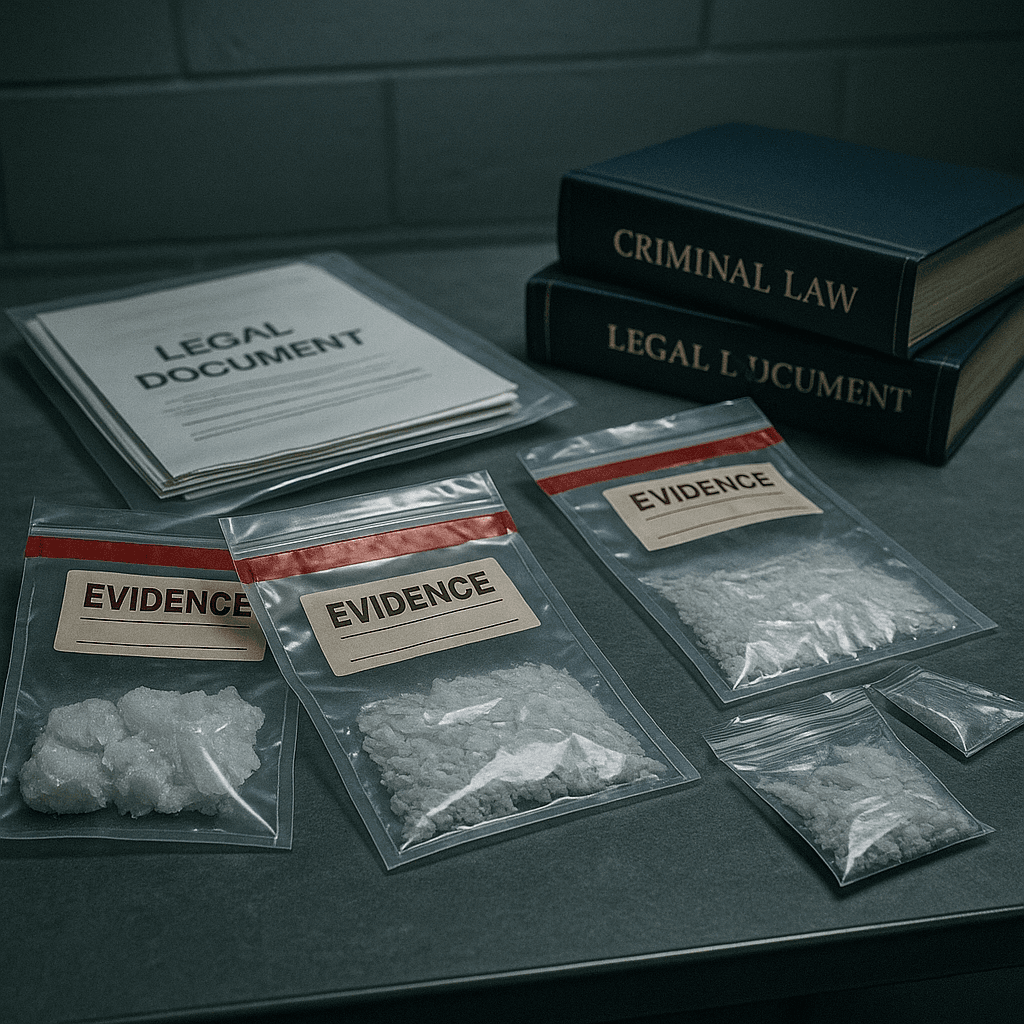
Drug Control Laws, Regulations, and Drug Law Violations
Three Key Drug Control Laws Points From Lawyer Drug Control Laws Attorney: Federal scheduling determines criminal penalties, state possession limits vary, and mandatory minimums apply to trafficking.Drug control laws in the United States operate through a complex framework of federal and state statutes that classify controlled substances into schedules and impose escalating penalties based on the type of drug, quantity, and intent. Understanding these regulations is critical because violations can result in felony convictions, lengthy prison sentences, and collateral consequences that affect employment, housing, and professional licensing. This article examines how drug control laws function, the key distinctions between possession and distribution offenses, and the strategic considerations that arise when facing charges.
続きを読む
How Does Chapter 7 Bankruptcy Filing Help You Obtain Debt Relief?
Understand how Chapter 7 bankruptcy filing works, who qualifies, which debts may be discharged, and what to expect before filing for personal bankruptcy. Chapter 7 bankruptcy filing allows eligible individuals to seek relief from overwhelming unsecured debt through a court-supervised process. Although Chapter 7 bankruptcy filing can stop most collection efforts through the automatic stay, qualification depends on income, prior filings, and complete financial disclosure. Understanding how Chapter 7 bankruptcy filing works before submitting a petition helps reduce procedural mistakes and prepares you for each stage of the bankruptcy process.
続きを読む

How Should You Select Motorcycle Accident Legal Services Effectively?
Motorcycle accidents create distinct legal and practical challenges that differ significantly from passenger vehicle claims because of exposure severity, liability investigation complexity, and insurance coverage limits. When a motorcycle collision occurs, the injured rider faces immediate decisions about medical treatment, evidence preservation, and claim notification that can shape the entire legal trajectory. New York law treats motorcycle accidents under general negligence principles, but courts and insurers often apply heightened scrutiny to rider conduct and vehicle condition. Understanding the procedural and evidentiary framework early, before settlement discussions or formal litigation, can help protect your interests and ensure that critical documentation is in place.
続きを読む