




法律情報

Business Bankruptcy Process
In New York, the business bankruptcy process is a critical legal mechanism for financially distressed companies seeking to address insurmountable debt. This court-supervised procedure, primarily under Chapter 7 of the U.S. Bankruptcy Code, ensures an orderly liquidation of assets. The goal is to provide fair treatment to all creditors while allowing the business to formally wind down its operations and discharge eligible liabilities, marking a necessary and legal conclusion to its financial life.
続きを読む

Business Incorporation Types: Llc Vs. S-Corp Vs. C-Corp for Small Business Owners
Compare LLC, S-Corp, and C-Corp structures. Discover key tax impacts, liability protection limits, and legal insights to choose the best fit. Selecting the right entity shapes your long-term success.
続きを読む

Bookkeeping for Sole Proprietors: What the IRS Requires and How to Stay Compliant
Records do not keep you out of an audit. They determine what happens in one. For most expenses, a court can estimate. Where there is some credible basis, the Cohan rule permits an approximation rather than disallowance. For travel, meals, gifts, and vehicles, it cannot. Section 274(d) imposes strict substantiation — amount, time, place, and business purpose — and expressly forecloses estimation. These are also the largest deductions most sole proprietors claim, which means the categories with the most money at stake are the ones with no margin for reconstruction. A home office requires exclusive and regular use. A room used for anything else does not qualify, regardless of how much work happens there. Keep records as long as the return is open. Three years ordinarily, six where gross income is understated by more than twenty-five percent, and indefinitely where no return was filed. Estimated tax is the obligation that surprises people. There is no withholding, payments are due quarterly, and underpayment penalties accrue whether or not the year-end liability is eventually satisfied. In New York City, there is an additional tax. Sole proprietors doing business in the five boroughs are subject to the Unincorporated Business Tax, which has no counterpart elsewhere in the state and is frequently discovered after the fact.
続きを読む

Drug Trafficking
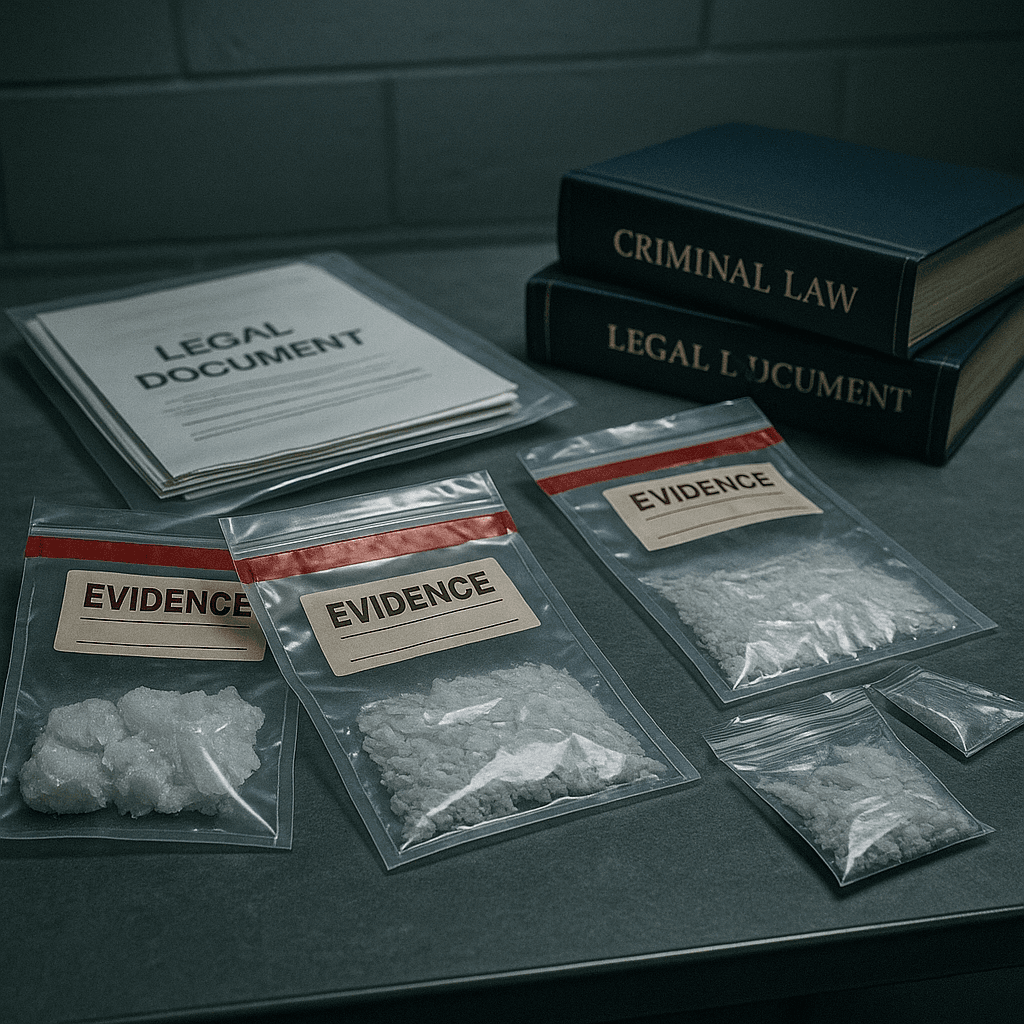
Drug trafficking in Washington D.C. .s defined as the unlawful manufacture, distribution, or sale of controlled substances. This offense is a serious felony that carries strict penalties under both D.C. Code and federal law, potentially resulting in decades of imprisonment. This article examines the legal scope of drug trafficking, outlines key sentencing guidelines, and details essential defense strategies for those facing these charges in the District.
続きを読む
Corporate Lawyer'S Guide to Bankruptcy Process
Corporate bankruptcy in Washington D.C. .efers to the formal legal process where an insolvent business entity seeks relief through liquidation and debt discharge under federal and D.C. .urisdiction. This guide outlines how businesses can file for bankruptcy, the conditions under which their filings may be denied, and what creditors must understand about initiating the process. This legal procedure aims to provide a fresh start for financially troubled businesses while ensuring fair recourse for creditors.
続きを読む

Is Your Company at Risk of Business Fraud in New York?
Business fraud claims in New York operate on multiple legal fronts simultaneously, involving civil liability, regulatory exposure, and potential criminal consequences that require careful navigation of distinct procedural rules and burdens of proof. Unlike consumer fraud statutes that focus on deception of individuals, New York law treats fraud against business entities through a framework that examines intent, reliance, and measurable economic harm. The distinction matters because corporate plaintiffs must often overcome higher pleading standards and demonstrate that they exercised reasonable diligence before relying on representations. Understanding the legal architecture of fraud claims, the roles of different tribunals, and the timing requirements for preserving evidence can mean the difference between a recoverable loss and a procedural bar.
続きを読む
