




法律情報

What Is a Corruption Action : Corporate Liability and Statutory Framework
A corruption action under New York law allows a corporation to recover damages when a fiduciary, officer, or employee misappropriates corporate assets or diverts business opportunities through self-dealing or breach of duty. Corruption actions differ from derivative suits in that they seek direct recovery for the corporation itself rather than on behalf of shareholders. The claim rests on establishing that a person in a position of trust violated fiduciary duties by prioritizing personal gain over corporate interests. Courts evaluate these claims by examining the scope of the fiduciary relationship, the nature of the opportunity diverted, and whether the corporation was deprived of a legitimate business prospect.
続きを読む

Compensation Dismissal Decision with Lawyer
When a compensation petition is dismissed in Washington D.C., it often indicates that the request failed to meet either procedural or substantive legal requirements. While this type of decision can feel frustrating to victims, it's essential to understand the underlying reasons behind the dismissal and what specific legal alternatives remain available. This judicial determination does not automatically close the door on seeking recovery but instead redirects the claimant's strategy toward alternative legal paths, such as civil litigation.
続きを読む

Unlawful Fundraising Practices
In Washington D.C., the unauthorized collection of funds from the public, especially when guaranteeing returns, is a severe financial offense. These unlawful fundraising practices involve fraud, luring individuals into financial traps without regulatory oversight. Understanding unlawful fundraising, its penalties, and victim recourse is crucial for public protection and legal enforcement against these illicit schemes.
続きを読む
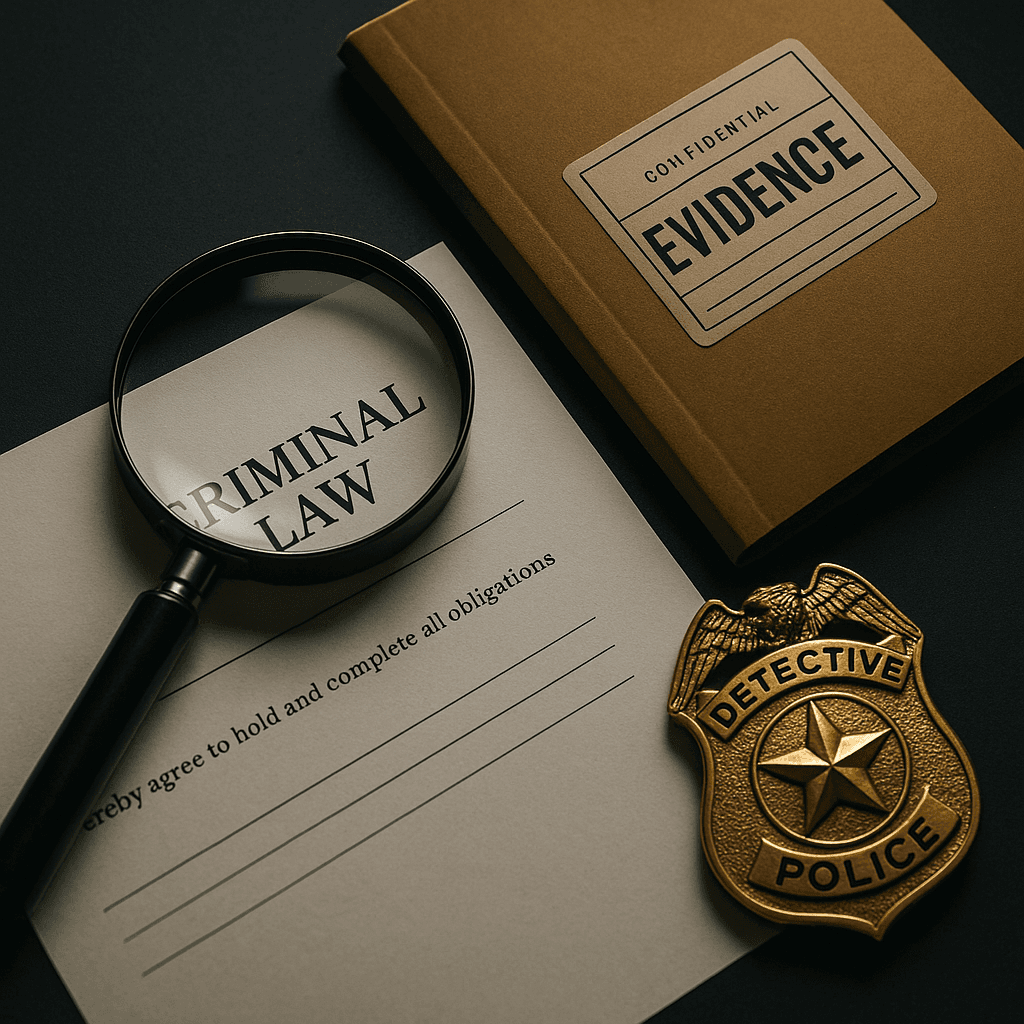
What Should a Corporation Know about Economic Sanctions Compliance?
Economic sanctions are government-imposed restrictions on trade, financial transactions, and business dealings with specified countries, entities, and individuals, and corporate compliance failures carry severe civil and criminal penalties. The Office of Foreign Assets Control (OFAC), a Treasury Department bureau, administers most U.S. .anctions programs. Corporations face liability for transactions with sanctioned parties even if the violation occurs inadvertently or through intermediaries. Understanding the legal framework, enforcement mechanisms, and internal control expectations is essential for managing operational and reputational risk in a complex, evolving sanctions landscape.
続きを読む

Personal Harm Compensation Claim
When a person suffers physical or psychological injury due to another’s negligence or intentional act, they may pursue a personal harm compensation claim in New York civil court. This legal action enables victims to recover damages for medical expenses, lost wages, emotional distress, and other related losses. Securing rightful compensation is a crucial step for victims seeking justice and financial stability after a traumatic incident.
続きを読む

Violent Crimes: Family Reporting
Three Key Violent Crime Reporting Points From a New York Attorney: Family members have limited duty to report, mandatory reporting applies to professionals, and criminal liability differs from civil exposure. When a family member becomes aware of violent crimes, the question of whether and when to report creates genuine legal and personal tension. New York law distinguishes sharply between the general public, mandated reporters, and family members, creating different obligations and protections for each. Understanding these distinctions is critical for families navigating the intersection of loyalty, safety, and legal responsibility.
続きを読む
