




法律情報

How Can Your Corporation Navigate Commercial Disputes and Legal Advice?
Commercial disputes in New York require strategic early intervention to protect operational continuity and minimize exposure to cascading liability. When a dispute arises, corporations face overlapping procedural pathways: contract claims may proceed in state court or arbitration, while regulatory or administrative matters follow separate timelines and require distinct documentation. Understanding which avenue applies and when to preserve evidence or formal notice can determine whether your company retains leverage in negotiation or faces costly discovery and trial preparation. From a practitioner's perspective, the difference between a managed resolution and protracted litigation often hinges on decisions made in the first weeks after a dispute surfaces.
続きを読む

Debt Collection Lawsuit Filing: Standing, Proof, and Court Procedure
Debt collection lawsuit filing explains creditor standing, proof of debt, court selection, complaint rules, and CPLR service. Debt collection lawsuit filing in New York begins with creditor standing, proof of debt, and the correct court choice. Debt collection lawsuit filing also requires a complaint, summons, and service that comply with CPLR rules. Before debt collection lawsuit filing, I review invoices, assignments, and limitation issues to reduce dismissal risks.
続きを読む
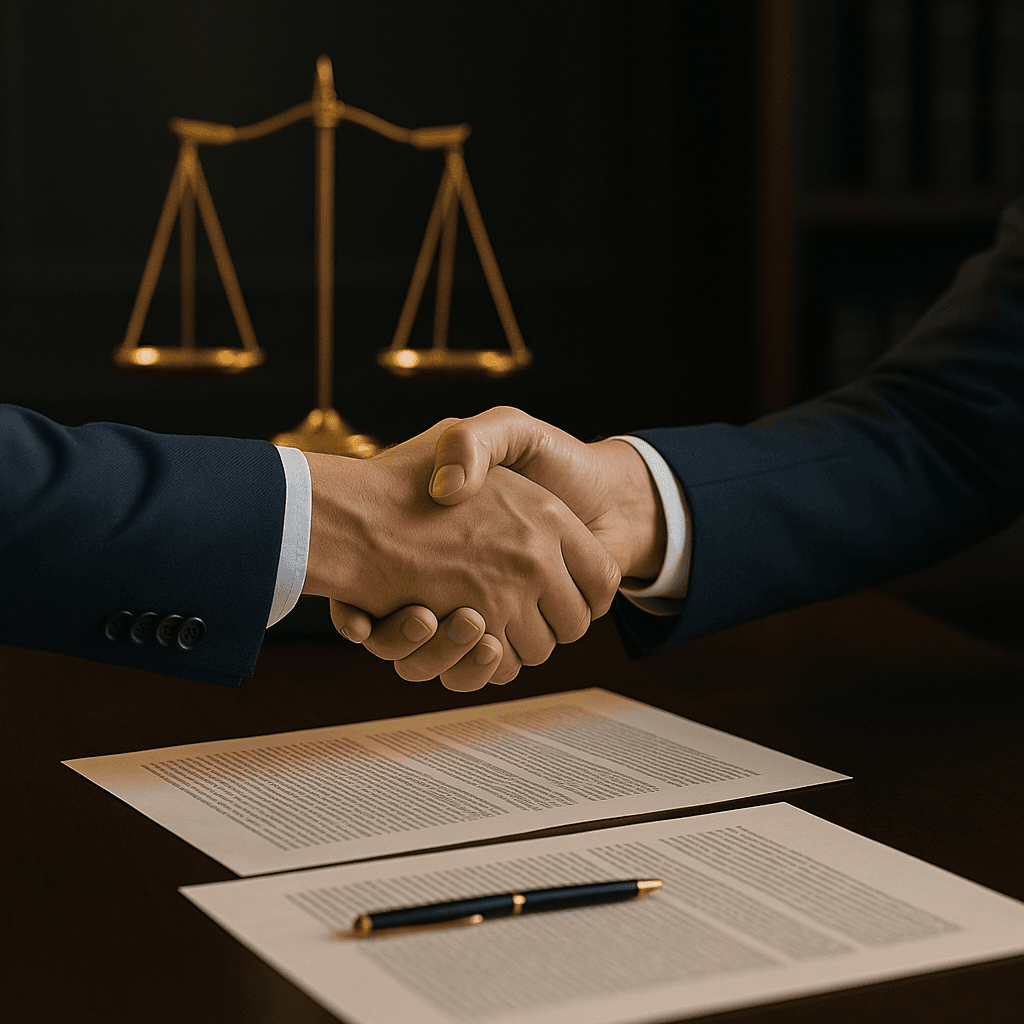
What Is Extortion Crime?
In Washington D.C., extortion crime is a serious felony that encompasses offenses like extortion (§ 22–3251) and criminal threats (§ 22–407), each governed by distinct legal statutes and consequences. While people commonly use the term "extortion threat crime" in everyday conversation, the D.C. Code addresses them as separate legal offenses, meaning a single coercive act could potentially violate both statutes under the scope of D.C.'s criminal law. Understanding the elements, punishments, and methods of proving this offense is crucial for victims and legal practitioners operating under these specific regulations.
続きを読む

What Are Clinical Trial Requirements for Corporate Sponsors?
Corporate sponsors of clinical trials must navigate a complex regulatory framework that governs participant safety, data integrity, and legal accountability across federal and state jurisdictions. The regulatory landscape for clinical trials is shaped primarily by the FDA, the Common Rule (45 CFR 46), and ICH-GCP guidelines, which establish baseline standards for trial design, informed consent, and adverse event reporting. Sponsors bear the legal responsibility for ensuring that trials comply with these standards before, during, and after enrollment. State laws, including New York's specific requirements for institutional review boards (IRBs) and participant protections, layer additional obligations that can create compliance gaps if overlooked.
続きを読む

Fraudulent Lease Deposit Scheme
In New York, fraudulent lease deposit schemes often occur when landlords intentionally deceive tenants and withhold security deposits or misrepresent the nature of the leased property. This guide offers practical steps for prevention and outlines legal avenues available under New York law to protect tenants from unfair practices and pursue the return of their funds. Vigilance and proper legal knowledge are essential to counteract these schemes.
続きを読む
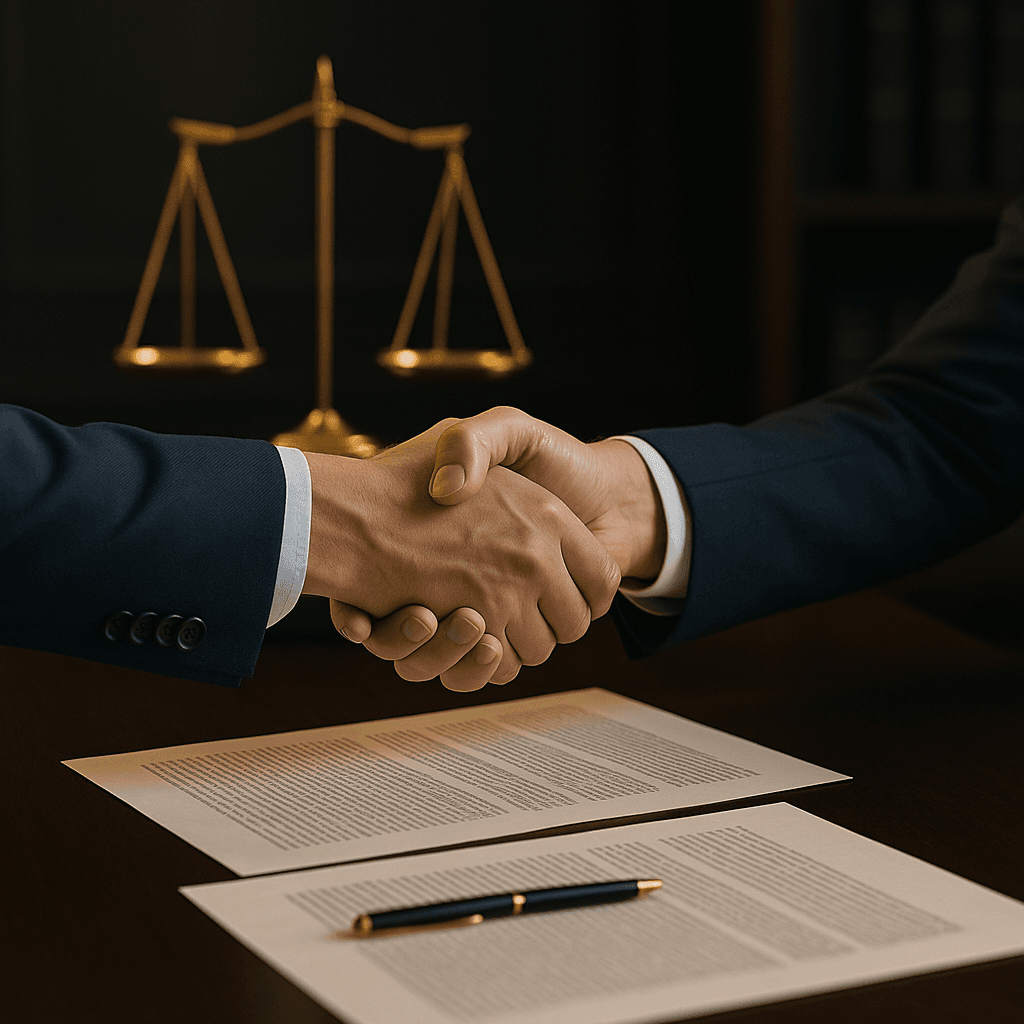
Psychological Maltreatment of a Child
Emotional child abuse in New York is recognized as a serious form of maltreatment under the state's child welfare system. Though less visible than physical abuse, its psychological consequences are equally damaging, impacting a child's development for years to come. This article thoroughly explains the legal definition of psychological maltreatment of a child, provides examples of emotionally abusive behavior, outlines mandatory reporting duties, and describes the available protections under New York law. Addressing the issue of psychological maltreatment of a child is essential for ensuring the well-being and emotional stability of vulnerable youth.
続きを読む
