




法律情報

What Is the Anti-Money Laundering Act of 2020?
The Anti-Money Laundering Act of 2020 is a federal statute that strengthens regulatory requirements for financial institutions and other entities to detect, report, and prevent money laundering and terrorist financing. The law expands reporting obligations and customer due diligence standards for banks, money services businesses, and certain other intermediaries. Failure to implement adequate anti-money laundering controls can result in civil penalties, criminal prosecution, and reputational harm. This article examines the statute's core requirements, compliance obligations, beneficial ownership reporting, and practical implications for corporate compliance programs.
続きを読む

How to Report Phishing Scams
Voice-based phishing scams also known as vishing have become increasingly sophisticated across New York. This article outlines how to respond effectively to these crimes through proper reporting procedures and legally sound evidence collection, providing victims of phishing scams with a crucial roadmap for recourse. Learning how to report phishing scams effectively is the first step toward recovery and prevention, a necessary measure as cybercriminals increasingly leverage AI for deceptive content.
続きを読む
Why Risk Management Lawyer Guidance Matters for Corporate Risk
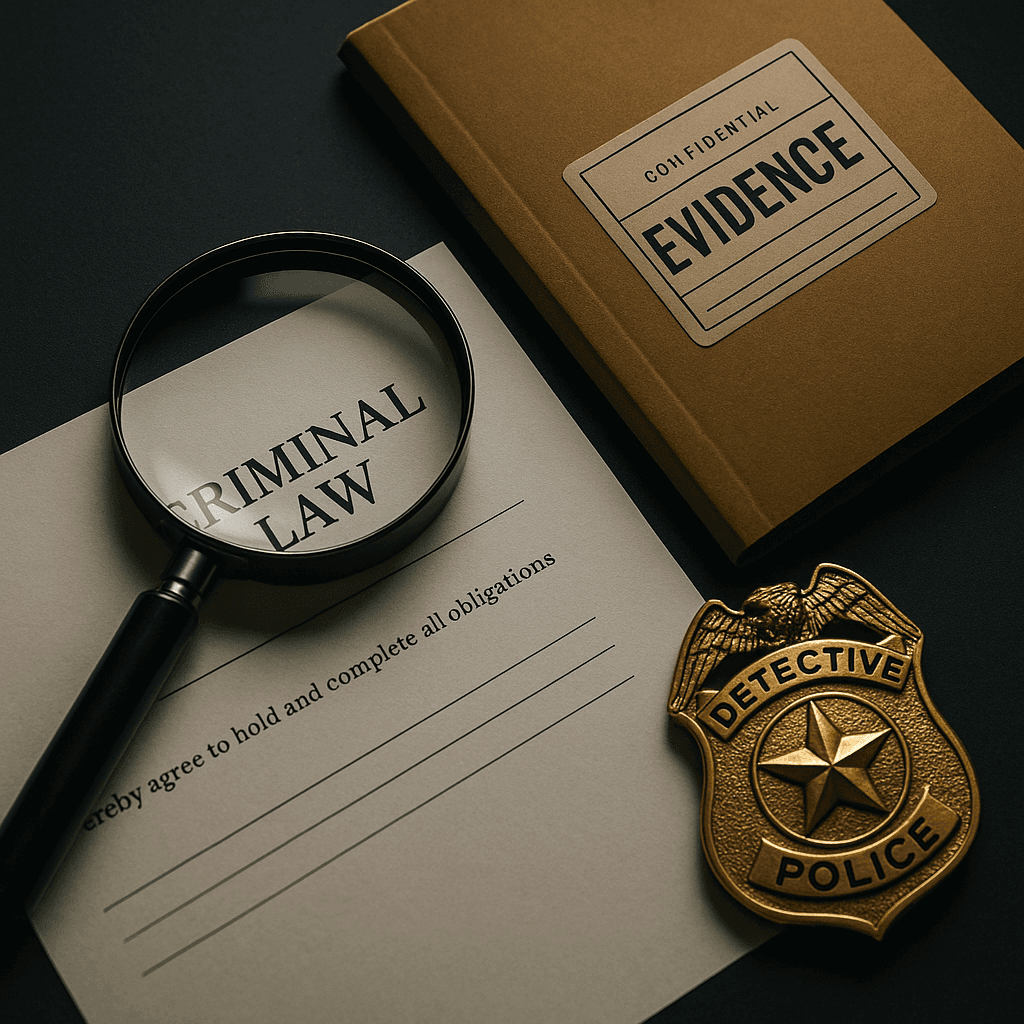
A risk management attorney identifies, assesses, and mitigates legal exposures that could disrupt business operations, damage reputation, or trigger regulatory enforcement. Corporate entities face overlapping compliance obligations across employment law, contract management, regulatory frameworks, and litigation exposure that demand proactive legal strategy. When legal risks remain unaddressed, companies face costly disputes, regulatory penalties, operational shutdowns, and shareholder liability. This article covers how risk management legal counsel evaluates exposure, implements protective protocols, and positions your organization to respond effectively when disputes or enforcement actions arise.
続きを読む

Voice Phishing Reporting Procedures in Washington D.C.: Steps and Evidence
Learn voice phishing reporting procedures in Washington D.C., including police reports, bank notifications, federal reporting, and evidence preservation. Voice phishing reporting procedures in Washington D.C. .hould begin immediately after a suspicious call, unauthorized transfer, or request for sensitive information. Prompt reporting to law enforcement, financial institutions, and appropriate federal agencies, together with preserving call logs, messages, screenshots, and transaction records, can strengthen investigations and recovery efforts. Timely documentation often plays a significant role in tracing fraudulent activity and protecting potential claims. Understanding voice phishing reporting procedures helps victims respond quickly while preserving critical evidence.
続きを読む
What Are the Core Elements of a Criminal Law Case?
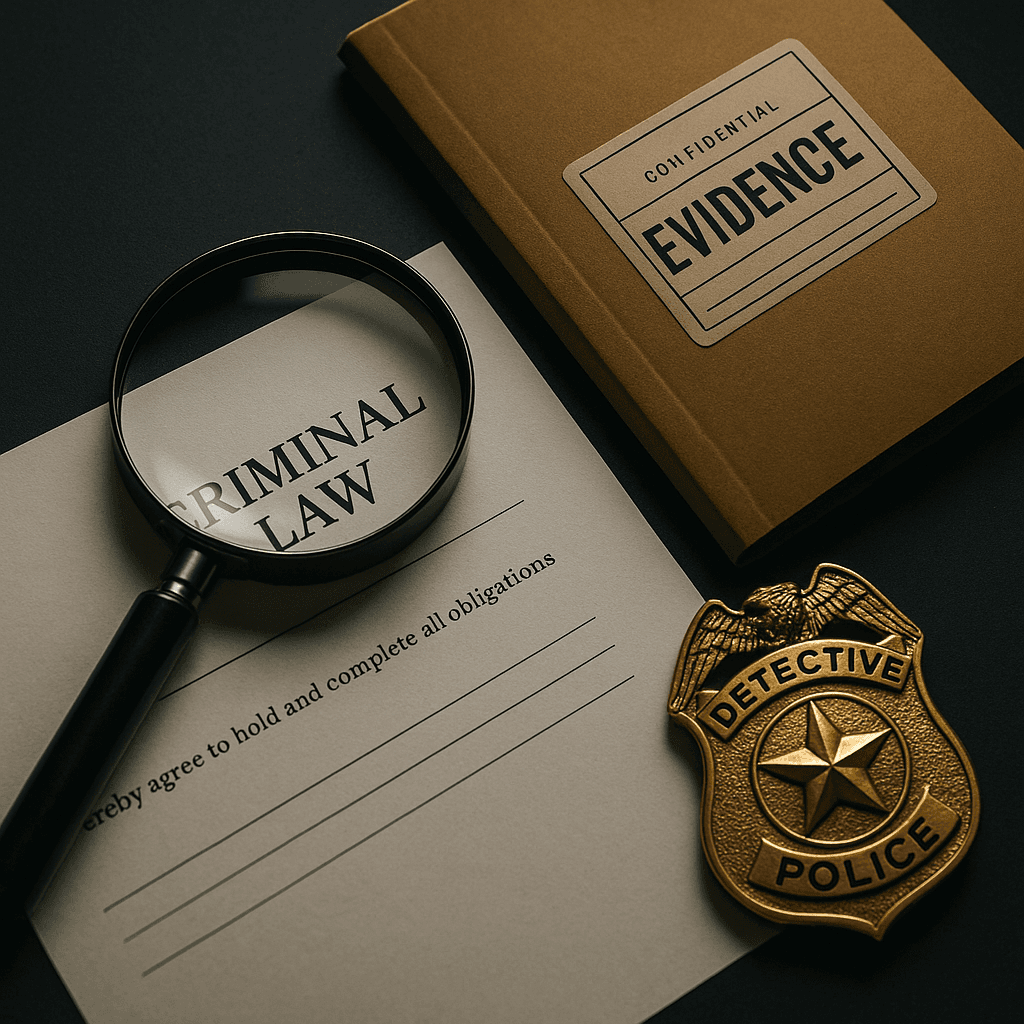
Criminal law is the body of statutory and common law that defines conduct the state prohibits and establishes the procedures by which individuals accused of such conduct are prosecuted, adjudicated, and sentenced. Every criminal prosecution rests on the state's obligation to prove guilt beyond a reasonable doubt, a demanding standard that shifts the burden entirely to the government and creates a procedural framework protective of individual liberty. Failure to meet evidentiary burdens, procedural defects in notice or discovery, or constitutional violations in investigation or interrogation can render charges dismissible or evidence inadmissible. This article covers the statutory elements that define crimes, the burden of proof and standards courts apply, how intent and causation shape liability, and the procedural posture businesses and individuals should understand when criminal exposure arises.
続きを読む

What Is the Punishment for Embezzlement?
Embezzlement in New York is prosecuted as larceny, with penalties ranging from up to 1 year in jail to 25 years in prison depending on the value of the property and the defendant's conduct. Embezzlement occurs when a person lawfully entrusted with money or property intentionally converts it for an unauthorized purpose. Under New York law, embezzlement is charged as a form of larceny, and the punishment for embezzlement depends largely on the amount involved, the existence of a fiduciary relationship, and evidence of intent to permanently deprive the owner of the property. Understanding how embezzlement is proven, how prosecutors establish criminal intent, and how sentencing ranges are calculated is essential when assessing potential criminal liability.
続きを読む
