法律情報

How Does a Cyber Law Office Support Corporate Digital Risk Management?
A cyber law office provides legal counsel on data breaches, regulatory compliance, incident response, and digital asset protection within a framework of evolving statutes and industry standards. Cyber law intersects criminal statutes, civil liability rules, and regulatory mandates that govern how organizations collect, store, and defend sensitive information. Procedural missteps in breach notification, forensic preservation, or regulatory reporting can expose a company to fines, class action liability, and reputational harm. This article covers the core functions of cyber law practice, the regulatory landscape affecting corporate data strategy, and practical considerations for managing cybersecurity risk through legal channels.
続きを読む

How a Corruption Attorney Can Protect You?
A corruption attorney represents clients facing allegations of bribery, kickbacks, fraud, embezzlement, or related misconduct involving public officials, government contracts, or abuse of authority. Corruption cases operate under federal and state statutes that impose strict liability standards and require proof of intent to defraud or act corruptly. A single procedural misstep in responding to investigative demands, preserving evidence, or structuring a defense can expose clients to enhanced penalties, asset forfeiture, and collateral business consequences. This article covers the scope of corruption allegations, how investigations unfold, what corporate clients face during regulatory scrutiny, and how counsel can protect interests throughout the process.
続きを読む

What Does Corporate Compliance Near Me Actually Require?
Corporate compliance is the set of policies, procedures, and controls a business implements to meet applicable laws, regulations, and internal governance standards across all operational areas. Compliance frameworks must address federal, state, and local requirements that vary significantly by industry, size, and business model. A compliance failure can result in civil penalties, criminal liability, regulatory sanctions, and reputational damage that extends beyond the immediate violation. This article covers the core components of compliance programs, how enforcement works, and what boards and management teams should evaluate when assessing their organization's compliance posture.
続きを読む

How Can Contract Disputes Legal Services Protect Your Business Interests?
Contract disputes legal services help businesses resolve disagreements over the terms, performance, or enforcement of binding agreements through negotiation, mediation, or litigation. Most contract disputes require parties to follow strict procedural rules for notice, documentation, and filing deadlines that can affect enforceability and remedies. Courts may dismiss claims or defenses if procedural requirements are not met, and delays in asserting rights can result in loss of leverage or available remedies. This article covers the core legal framework for contract disputes, common triggers for litigation, documentation strategies, and how counsel can help protect your business through each stage.
続きを読む

Why Do You Need a Consumer Protection Act Lawyer for Your Claim?
A consumer protection act lawyer represents businesses, organizations, and individuals navigating federal and state statutes that regulate unfair or deceptive commercial practices, product safety, data privacy, and consumer transactions. Consumer protection law encompasses multiple statutory regimes, each with distinct notice requirements, filing deadlines, and remedial structures. Violations of these statutes can expose companies to civil penalties, injunctions, class action exposure, and restitution obligations. This article covers the scope of consumer protection claims, how statutory violations arise, the procedural posture of enforcement actions, and the role counsel plays in compliance strategy and defense.
続きを読む
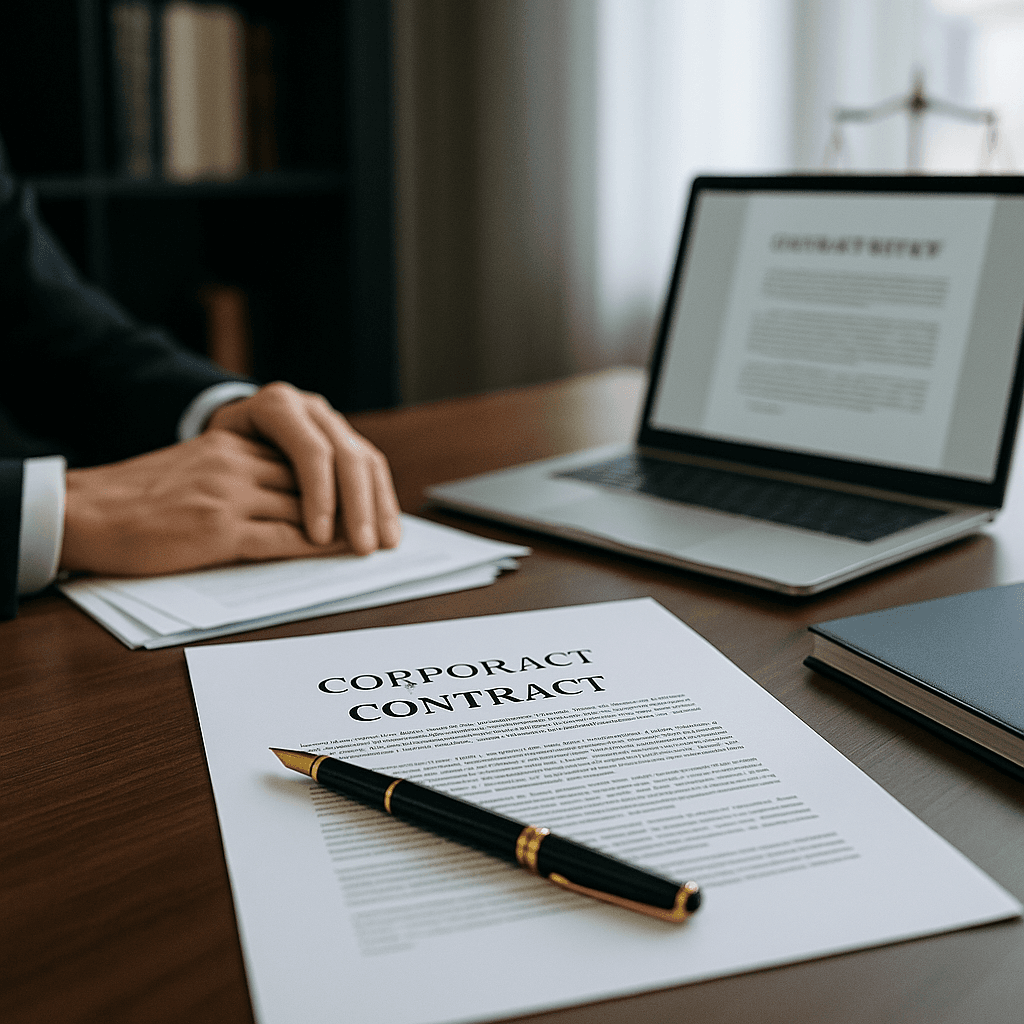
How a Consumer Protection Act Attorney Shields Corporate Liability
A consumer protection act violation occurs when a business engages in unfair, deceptive, or abusive practices that harm consumers or breach statutory duties imposed by federal and state consumer protection regimes. Corporate liability under consumer protection statutes hinges on compliance with disclosure requirements, substantiation standards, and procedural notice rules that vary across jurisdictions and transaction types. Violations can expose a company to civil penalties, injunctive relief, restitution orders, and class action exposure, even when individual consumer harm appears modest. This article examines the statutory framework, corporate compliance posture, enforcement mechanisms, and practical documentation strategies that help organizations understand liability exposure and defend against allegations.
続きを読む