法律情報

How Can You Pursue a Legal Malpractice Lawsuit?
A legal malpractice lawsuit is a civil action brought by a client against an attorney for negligence, breach of fiduciary duty, or failure to provide competent representation. To succeed, you must establish that your attorney owed you a duty of care, breached that duty through negligent conduct, and caused measurable harm or loss as a result. This article covers the procedural requirements, burden of proof, common defenses, evidence preservation, and strategic timing considerations that shape outcomes in legal malpractice claims. Understanding these elements is essential to building a strong case and navigating the complex procedural landscape of malpractice litigation.
続きを読む

When Rights of Publicity Law Applies to Commercial Media Content?
The right of publicity is a legal claim that protects an individual's or entity's name, likeness, voice, and distinctive personal attributes from unauthorized commercial use. This right stems from state common law and statute, with varying scope and remedies across U.S. .urisdictions. A successful claim typically requires proof that the defendant used the plaintiff's identity without consent for commercial advantage, and courts may award damages, injunctive relief, or both when a violation occurs. This article addresses the legal foundations of publicity rights, how courts define protected identity elements, the commercial-use requirement, common defenses, and practical considerations for copyright holders and other content creators who must navigate these protections.
続きを読む

What Constitutes an Indecent Exposure Offense?
An indecent exposure offense involves the intentional exposure of genitals in a public place or in a private place where the exposure is reckless as to whether another person is present who will be offended or alarmed.New York Penal Law Section 245.01 defines the crime and establishes that the prosecution must prove both the act of exposure and the defendant's mental state regarding the exposure's effect on others. A conviction rests on the state's ability to demonstrate intent or recklessness, and procedural defects in arrest, notice, or evidence collection can form the basis for suppression motions or dismissal. This article examines the statutory definition, the mental state requirements, the distinction between public and private exposure, common factual disputes, and the procedural posture a defendant may face in New York courts.
続きを読む

How to Resolve a Construction Case: Key Legal Steps
A construction case involves a legal dispute arising from contract performance, defective work, payment obligations, or property damage claims between parties in the construction industry, and these disputes often turn on strict compliance with notice requirements, lien filing deadlines, and contract interpretation. Construction disputes are governed by a mix of contract law, statutory mechanics lien frameworks, and common law tort principles that vary by project scope and party role. Procedural defects, such as missed lien notice deadlines or incomplete claim documentation, can result in forfeiture of payment rights or dismissal of claims before trial. This article addresses the core legal mechanisms that shape construction case outcomes, including notice and filing requirements, burden-of-proof standards, the role of expert testimony, and the strategic considerations landlords and property owners face when construction work is performed on their premises.
続きを読む

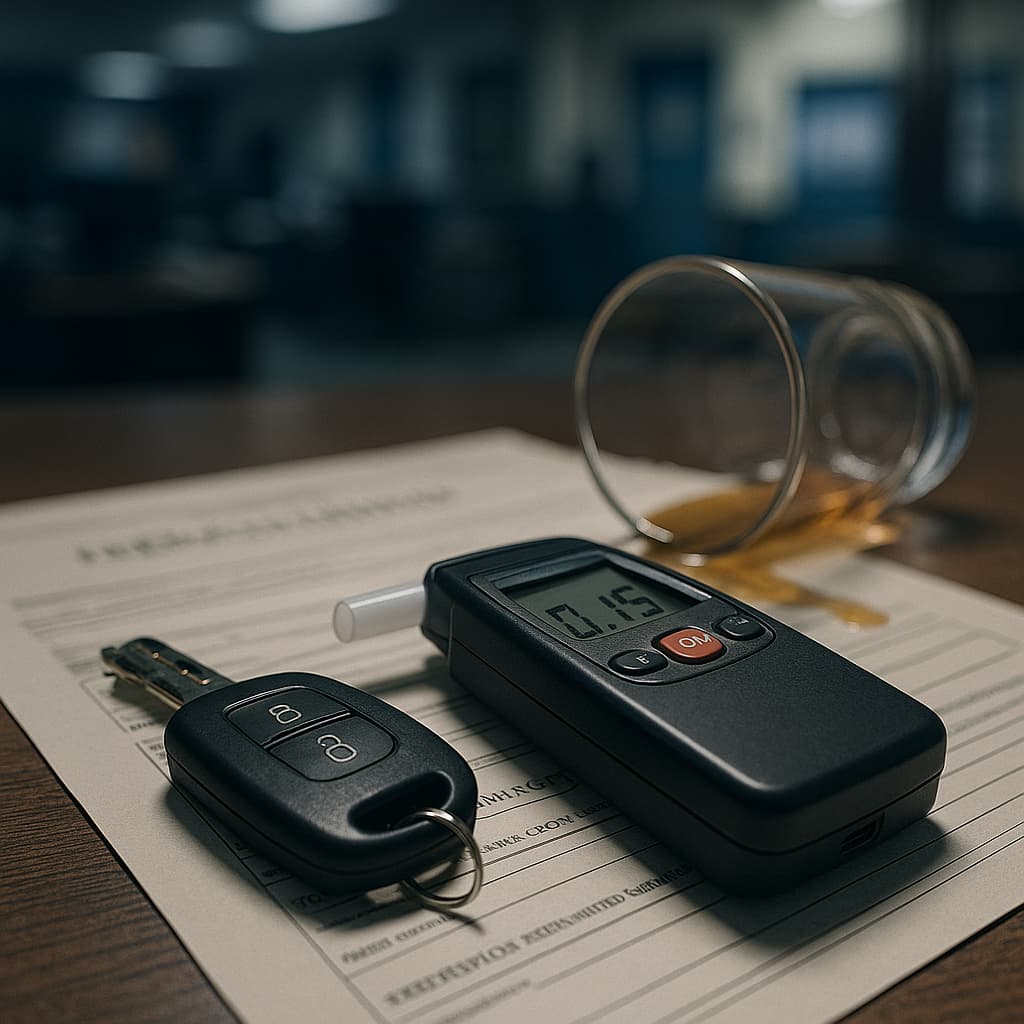
Can a DUI Record Expungement Help Clear Your New York History?
New York DUI Record Expungement seals past drunk driving offenses from public view through a formal court petition process. New York law permits eligible individuals to pursue a DUI Record Expungement, a crucial legal process that removes or seals a conviction record. This remedy is not automatic; clearing your history requires filing a formal petition with the court and satisfying strict statutory criteria. The court's decision depends heavily on the severity of the offense, potential injuries, and time elapsed. Seeking guidance on DUI Record Expungement can help individuals accurately evaluate their eligibility, navigate complex legal procedures, and gather the essential documentation required to strengthen their case and regain peace of mind.
続きを読む
What Costs Should Heirs Expect in a Probate Lawsuit?
Probate lawyer fees in New York vary widely depending on the estate size, complexity, and whether disputes arise during the process. Understanding how attorneys structure their fees, what services are included, and what factors drive costs is essential for heirs navigating the probate system. Fee arrangements range from flat rates for simple estates to hourly billing for contested matters. Court approval of certain fees, particularly for executors and their counsel, adds another layer of complexity that affects your overall cost exposure.
続きを読む