法律情報

How Can a Legal Malpractice Lawyer in NYC Help You Recover Damages?
A legal malpractice claim arises when an attorney breaches the duty of care owed to a client, causing financial or legal harm that would not have occurred but for that breach.To succeed, you must establish that your former attorney fell below the standard of competence expected in the profession, that this failure directly caused measurable loss, and that you can prove the damages with reasonable certainty. Courts require expert testimony to validate your claim, and the statute of limitations in New York generally allows three years from discovery of the breach to file suit. This article explains the core elements of a legal malpractice claim, the defenses attorneys commonly raise, and the steps you should take to protect your rights and recover damages.
続きを読む

Why Patent Management Is Critical for Corporate Growth?
Patent management is the systematic process of protecting, maintaining, and enforcing intellectual property rights across a portfolio of patents, from initial filing through commercialization and potential litigation. Effective patent management requires compliance with USPTO maintenance fee schedules, timely renewal filings, and strategic decisions about which patents to retain or abandon based on business value. Failure to meet statutory deadlines or fee obligations can result in patent expiration, loss of exclusive rights, and erosion of competitive advantage. This article covers portfolio strategy, maintenance compliance, enforcement considerations, and the procedural and financial landscape IP owners navigate when managing patent assets.
続きを読む

Cyber Sex Crime Reporting Procedures and Victim Rights Legal Framework
Cyber sex crimes encompass a range of criminal offenses involving sexual exploitation, abuse, or harassment conducted through digital platforms, including non-consensual image sharing, online grooming, sextortion, and solicitation of minors. Most jurisdictions, including New York, impose criminal liability for these acts under statutes addressing sexual abuse, harassment, identity theft, and computer crimes, with penalties varying by the nature of the offense and victim age. Procedural defects in evidence collection, reporting timelines, or digital forensics can affect prosecution viability and the strength of protective orders. This article examines how victims can understand the legal framework, available remedies, reporting pathways, and considerations for pursuing civil and criminal accountability.
続きを読む

Security Deposit Recovery in New York: What Landlords Need to Know
Security deposit recovery in New York requires landlords to return deposits within 14–45 days with itemized deductions; noncompliance risks full forfeiture and penalties. Under New York General Obligations Law § 7-103, security deposit recovery demands strict compliance: landlords must return deposits on time with a written itemized accounting of all deductions. Failure to meet statutory deadlines eliminates the right to retain any portion of the deposit and exposes landlords to liability for the full amount plus damages.Permissible deductions for security deposit recovery are limited to unpaid rent, agreed utility charges, and repair costs for damage beyond normal wear and tear. Landlords bear the burden of proving every deduction is reasonable through receipts, photographs, and documentation established at move-in and move-out.
続きを読む

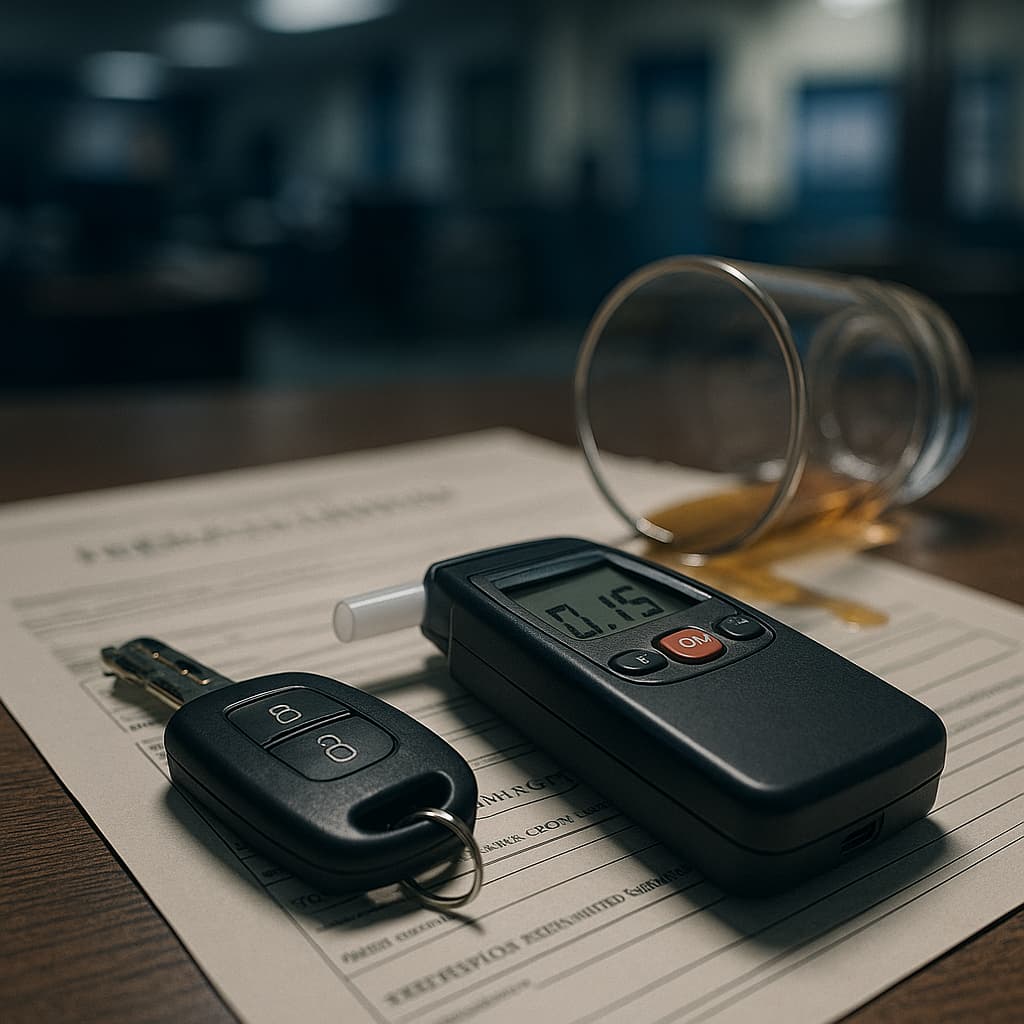
What Are DUI Case Examples and How Do They Illustrate Legal Standards?
DUI case examples reveal how courts apply statutory standards, prosecutorial discretion, and evidentiary burdens across different factual scenarios, helping defendants and their counsel understand the range of outcomes and procedural risks that shape defense strategy. Driving under the influence charges in New York involve both criminal prosecution and administrative license suspension proceedings, which operate on separate timelines and evidentiary standards. A defendant's blood alcohol concentration, field sobriety test performance, and statements to law enforcement each trigger distinct legal consequences that courts weigh differently depending on the charge level and defendant's prior history. Understanding how these elements interact in real cases illuminates the procedural forks that determine whether a matter proceeds to trial, results in a plea, or is dismissed.
続きを読む
How Can a Family Lawyer in White Plains Help Navigate Family Court in the Bronx?
Family law disputes often involve overlapping jurisdictions and procedural requirements that create risk if timing, documentation, or venue decisions are made without legal context. New York family law operates through a complex interplay of state statutes, local court rules, and procedural deadlines that vary by county and case type. Parents, custodians, and family members frequently face decisions about where to file, how to preserve evidence, and what statutory standards courts apply when evaluating parental fitness, custody arrangements, or support obligations. Understanding these procedural and substantive frameworks before initiating or responding to family court proceedings can significantly affect how your interests are protected throughout the process.
続きを読む