法律情報

Accounting Agreement: What Are the Main Risks?
An accounting agreement is a legally binding contract between parties that establishes the terms, scope, and responsibilities governing accounting services, record-keeping, financial reporting, or auditing work. These agreements typically define the accountant's duties, fee structure, confidentiality obligations, and liability limitations under state and federal law. A defective or missing accounting agreement can expose both the service provider and the client to disputes over scope, billing, professional standards, and potential claims of negligence or breach. This article covers the essential elements of accounting agreements, how they function in practice, common disputes that arise, and the legal protections they afford.
続きを読む

What Is a DMCA Case and How Does Copyright Protection Work?
A DMCA case involves a legal dispute centered on the Digital Millennium Copyright Act, a federal statute that protects copyrighted works and the technological measures used to safeguard them. The DMCA creates both civil and criminal liability for circumventing copyright protections, trafficking in circumvention tools, and removing or altering copyright management information. Procedural defects in notice, jurisdiction, or evidence can result in dismissal or create viable defense postures for those accused of infringement. This article covers the statutory framework, the distinction between civil and criminal DMCA violations, the role of takedown notices, defenses available to accused infringers, and the practical considerations that shape how these cases proceed.
続きを読む

How Does Engineering Compliance Protect Tenant Rights in New York?
When engineering compliance fails in your New York building, you have real legal rights. Learn how habitability laws, notice procedures, and Housing Court protections work for tenants facing unsafe conditions. If you have ever lost heat in January or watched a ceiling leak go unrepaired for weeks, you already understand the real cost of engineering compliance failures. In New York, engineering compliance is not just a landlord's obligation, it is the legal foundation of your right to a safe and habitable home. When building systems fall out of compliance, tenants are entitled to written remedies, rent abatement, and Housing Court relief. This guide walks you through the legal framework, documentation steps, and strategic protections that engineering compliance law provides for tenants in New York.
続きを読む

3 Legal Defenses for Theft & Larceny Cases by a Lawyer
Theft and larceny charges involve the unlawful taking and carrying away of another's property with intent to permanently deprive the owner of it, and the distinction between these offenses and the degrees assigned to them can significantly affect your exposure and defense options. New York law distinguishes theft and larceny by the value of property taken and the manner in which it was obtained. The criminal code recognizes multiple degrees of larceny, from petit larceny (property under $1,000) to grand larceny in the first degree (property over $1 million or involving specific circumstances). Understanding the statutory framework, the elements prosecutors must prove, and how courts evaluate intent and value is essential before any strategic decisions are made.
続きを読む
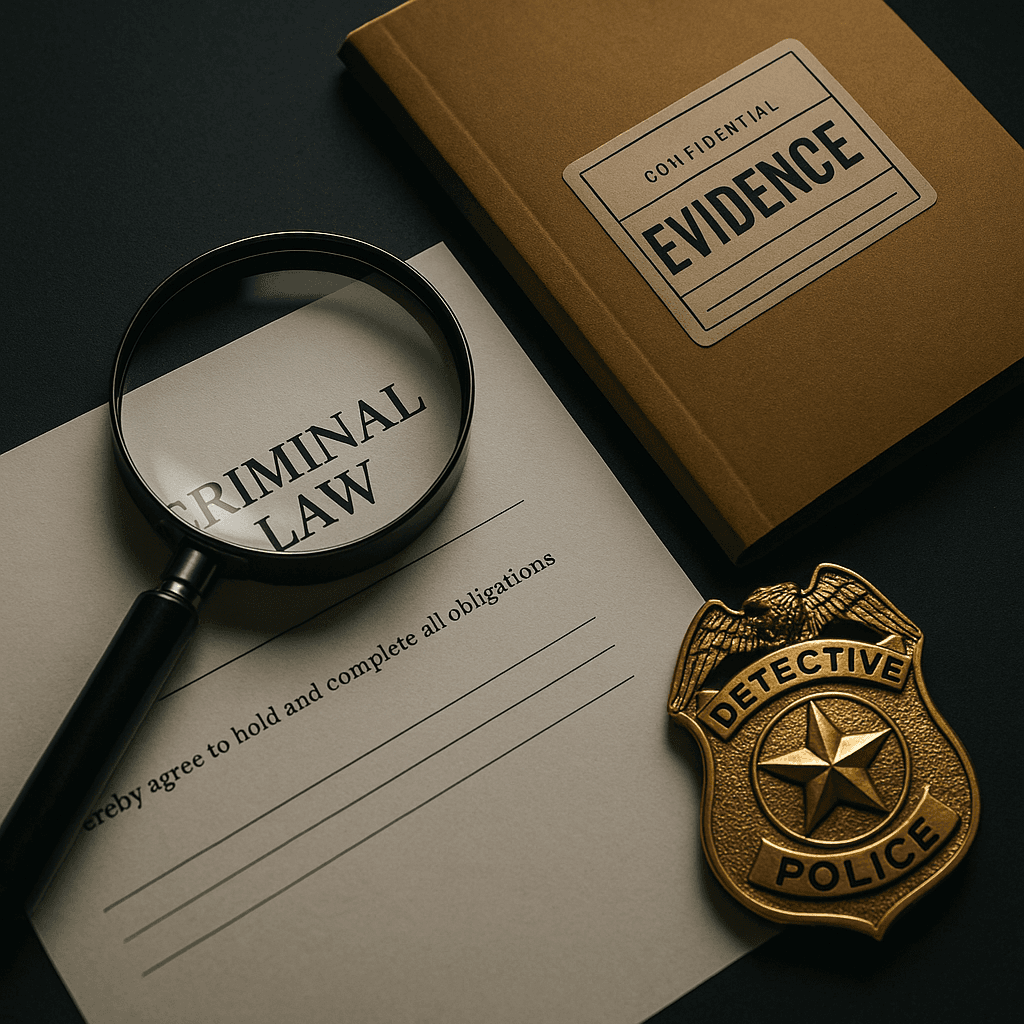
DUI Sentencing Guidelines: How Bronx Traffic Lawyers Defend Your Rights
Understanding New York DUI sentencing guidelines helps drivers handle Bronx court proceedings, license suspensions, mandatory fines, and defense options effectively. Strategic legal representation protects driver rights.
続きを読む

How Does an Uncontested Divorce Work in New York?
An uncontested divorce in New York allows spouses to dissolve their marriage by mutual agreement without court litigation, provided they resolve all major issues in advance. The process requires both parties to reach consensus on property division, custody, support, and other material terms before filing. New York courts will not grant a divorce decree until the parties have executed a valid Separation Agreement or Stipulation of Settlement that addresses these core issues. The uncontested pathway typically moves faster and costs less than contested litigation, but it demands careful attention to statutory requirements and procedural timing.
続きを読む