法律情報

How Special Situations Law Shapes Legal Procedures and Outcomes?
Special situations law encompasses legal circumstances that fall outside routine transactions or standard proceedings, often requiring tailored analysis and specialized procedural handling to protect a debtor's interests and rights. Debtors in special situations face heightened procedural complexity and timing pressures that can determine whether defenses remain viable or are waived by default. Courts and creditors frequently exploit procedural gaps, incomplete documentation, or delayed responses to advance collection claims that might otherwise fail scrutiny. This article covers how special circumstances affect notice requirements, filing deadlines, evidence standards, and your ability to contest claims or negotiate from a stronger position.
続きを読む

How Can You Safely Negotiate a Copyright Agreement?
A copyright agreement is a legally binding contract that allocates ownership, usage rights, and enforcement responsibilities between parties regarding creative works protected under federal copyright law. Copyright agreements operate under the framework of the U.S. Copyright Act and must clearly define the scope of rights being transferred, licensed, or retained to avoid disputes over authorship and infringement liability. Failure to document copyright ownership or permission terms in writing can result in costly litigation, loss of enforcement standing, or unintended liability exposure for unauthorized use. This article addresses the core elements of copyright agreements, how they protect or expose parties to infringement risk, the role of written documentation in establishing legal posture, and practical considerations when entering or defending against copyright-related obligations.
続きを読む

Construction Compliance: What It Covers and Why It Matters
Construction compliance requires contractors, landlords, and tenants to follow building codes, permitting rules, and regulatory standards throughout every stage of a construction or renovation project. In my experience working with clients across real estate and construction matters, the most costly mistakes happen early, when parties assume compliance is someone else's responsibility. Construction compliance governs every stage of a project, from contractor licensing and permit applications to tenant alteration rights, safety obligations, and post-construction documentation.Whether you are a landlord managing a renovation, a tenant navigating alteration rights, or a contractor bidding on public work, construction compliance shapes your legal exposure at every step. Understanding what it requires and what happens when those requirements are missed is the foundation of any sound construction strategy.
続きを読む

Why Do You Need a Stalking Defense Specialist for Your Case?
Stalking charges in New York rest on a specific legal framework that distinguishes intent, pattern, and the defendant's knowledge of the victim's reasonable fear, making early defense strategy critical to avoiding conviction. Unlike many criminal offenses, stalking prosecutions hinge on the prosecution's burden to prove not only repeated conduct but also that you knew or reasonably should have known your actions would cause the victim to experience fear for their safety or emotional distress. New York Penal Law Section 120.45 defines stalking across four degrees, each with different thresholds for severity and intent. The distinction between degrees, combined with the subjective element of the victim's fear, creates both procedural complexity and defense opportunities that depend heavily on how evidence is framed and what the record actually shows about your state of mind and the victim's actual experience.
続きを読む
How Does a Third DUI Lead to Felony Consequences?
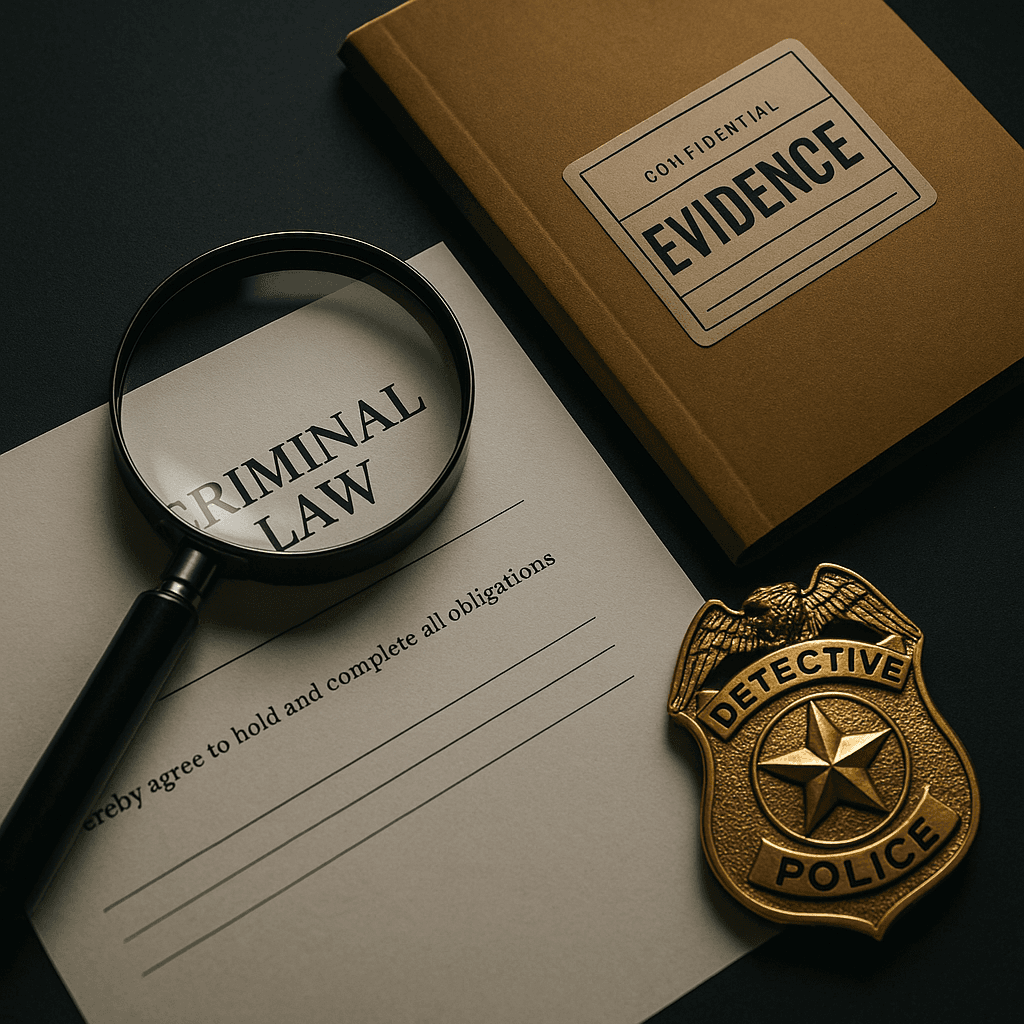
A third DUI offense in New York carries mandatory minimum jail time, permanent license revocation, and felony classification that fundamentally changes your legal exposure and future opportunities. Unlike a first or second DUI, which may be negotiated down to lesser charges or handled as misdemeanors, a third offense within ten years triggers automatic felony prosecution and sentencing floors that courts cannot waive. The distinction matters because felony conviction affects employment, housing, professional licensing, and immigration status in ways a misdemeanor does not. Understanding how prosecutors build these cases, what procedural safeguards exist, and how prior convictions factor into charging decisions helps you evaluate your position early.
続きを読む

How Can I Navigate a Contested Divorce Filing in the Bronx?
A contested divorce in the Bronx requires you to understand the legal and procedural pathways available when you and your spouse do not agree on key issues such as property division, custody, or support. New York courts handle contested divorces through a structured process that begins with filing a complaint and serving your spouse, followed by discovery and negotiation phases that may lead to trial if settlement does not occur. The Bronx Supreme Court, which has a dedicated matrimonial part, processes these cases under New York Domestic Relations Law, which grants courts broad discretion to divide marital property equitably, award custody based on the child's best interests, and determine spousal and child support. Understanding the timeline, your rights, and the evidentiary standards courts apply can help you make informed decisions early in the process, before positions harden and litigation costs accumulate.
続きを読む