




法律情報

Why Do Debt Collection Fees Require Contract or Legal Authority?
Debt collection fees are charges imposed by creditors, collection agencies, or courts during the process of recovering unpaid debts, and their enforceability depends on strict compliance with state and federal law. Under the Fair Debt Collection Practices Act and New York General Obligations Law, collection fees must be expressly authorized by the underlying contract or statute before a creditor can legally recover them from a debtor. Failure to comply with notice, documentation, and fee-authorization requirements can result in dismissal of collection claims, statutory damages against the creditor, or both. This article examines the types of collection fees creditors may impose, the legal standards governing their validity, procedural timing and documentation obligations, and the defenses debtors may raise when fees are improperly assessed.
続きを読む

What Does Trademark Protection Actually Cover?
A trademark is a legally protected symbol, word, phrase, design, or combination that identifies and distinguishes the source of goods or services in commerce, and federal law provides a structured framework for registration, enforcement, and defense of those rights. The foundation of trademark protection rests on the principle of use in commerce and the filing of an application with the United States Patent and Trademark Office, which grants enforceable rights against unauthorized use that creates likelihood of confusion. A failure to file within required timeframes or to maintain proper use documentation can result in abandonment, loss of priority, or inability to pursue infringement claims. This article covers the scope of what trademark law protects, how infringement is measured, the role of registration, and the practical steps involved in understanding and defending against trademark disputes.
続きを読む

How Can Landlords Navigate Foreclosure Litigation in New York?
Foreclosure litigation in New York is a complex statutory process that requires landlords to understand both the judicial requirements and the procedural pitfalls that can delay or derail a case. New York's foreclosure rules are among the most plaintiff-protective in the nation, meaning that lenders and property owners must clear high procedural hurdles before obtaining a judgment and eventual sale. The process typically begins with filing a complaint in Supreme Court and serving the defendant with proper notice, but the real challenge lies in proving standing, demonstrating compliance with pre-litigation requirements, and navigating discovery disputes. Courts scrutinize loan modification attempts, evidence of proper notice, and the chain of title with particular care, especially in cases involving mortgage assignments or securitized loans.
続きを読む

What Are the Penalties for Cybercrime?
Cybercrime penalties in the United States range from misdemeanor fines to decades of federal imprisonment, depending on the offense type, harm caused, and defendant intent. Federal and state statutes distinguish between unauthorized access, data theft, extortion, identity fraud, and ransomware deployment, each carrying different sentencing ranges and restitution obligations. A conviction can result in felony records that affect employment, licensing, and immigration status permanently. Understanding the statutory framework and how courts apply sentencing guidelines helps defendants, their counsel, and compliance officers recognize the scale of legal exposure in this evolving area.
続きを読む
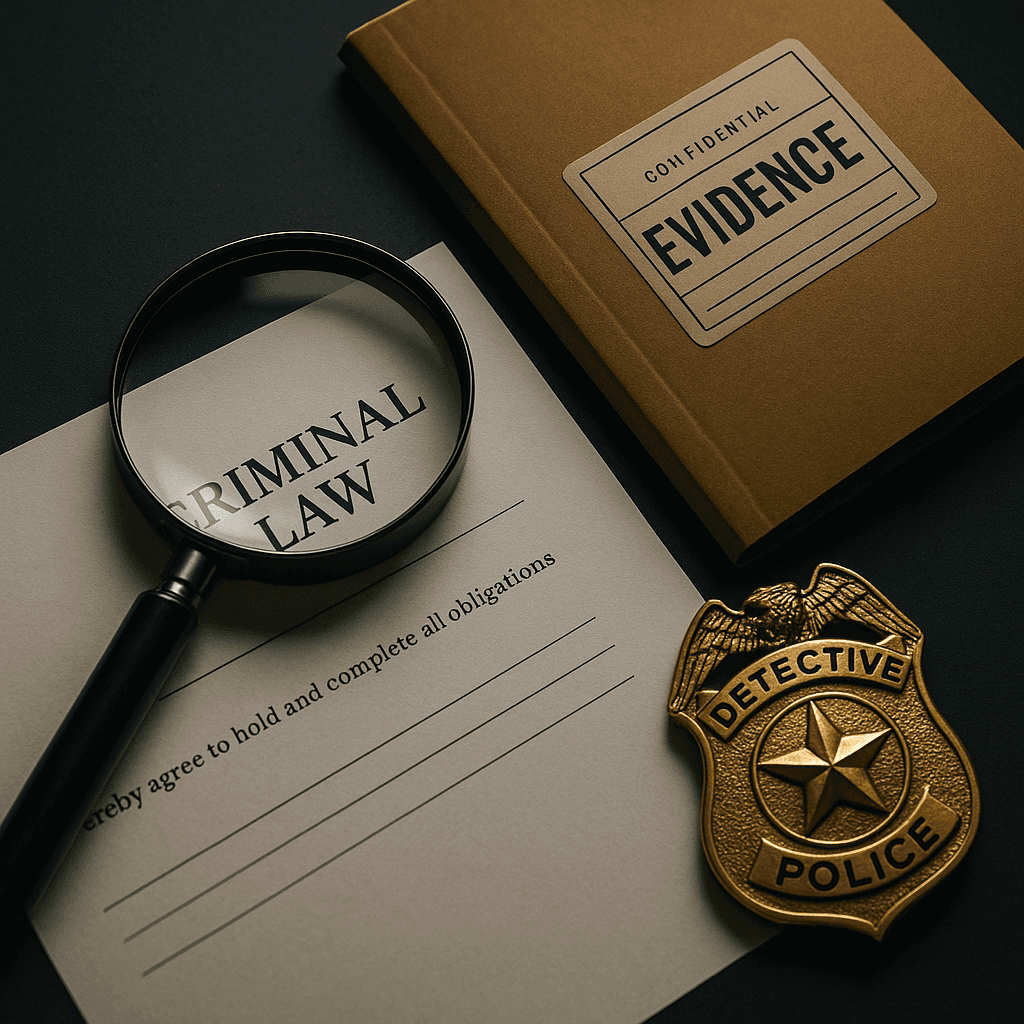
What Constitutes Wrongful Death and Wrongful Death Legal Advice?
Wrongful death claims arise when a person dies as a direct result of another party's negligence, intentional act, or breach of duty, creating potential civil liability for the deceased's family or estate. Unlike criminal prosecution, which focuses on punishment for a defendant's culpable conduct, a wrongful death action is a civil remedy designed to compensate surviving family members for their economic and non-economic losses. The claim does not require proof of criminal intent or guilt beyond a reasonable doubt; instead, the plaintiff must demonstrate that the defendant's conduct fell below the standard of care owed to the deceased under the circumstances. Understanding the distinction between criminal and civil standards is critical because a defendant may face both simultaneous proceedings, and the outcomes in one forum do not automatically determine liability in the other.
続きを読む

How Prenuptial Agreement Lawyers Ensure Your Asset Protection in NYC
An experienced NYC prenuptial agreement lawyer ensures full financial disclosure and valid legal execution to build enforceable prenups. New York Domestic Relations Law Section 236(B)(3) requires written documentation, notarization, and voluntary consent. Securing independent legal representation protects asset division terms against unconscionability challenges.
続きを読む
