法律情報

What Are Unfair Trade Violations Businesses Should Avoid?
Learn what unfair trade violations include, why they create legal and regulatory risks, and how businesses can strengthen compliance before disputes arise. Unfair trade violations occur when business practices violate laws designed to protect fair competition and consumers. Unfair trade rules may apply to deceptive advertising, false representations, unfair pricing practices, or other unlawful commercial conduct. From what I have seen, businesses often face disputes because routine decisions are made without recognizing potential compliance issues. Understanding unfair trade violations helps companies reduce legal exposure and respond more effectively when concerns arise.
続きを読む

Rights of Publicity: What New York Law Protects and Why It Matters to You
Rights of publicity in New York are governed by Civil Rights Law §§50–51, which prohibit unauthorized commercial use of your name, likeness, portrait, or voice without written consent. In my experience, many clients are genuinely surprised to learn that rights of publicity protect not only celebrities but anyone whose identity is commercially exploited without permission. New York law allows you to seek injunctive relief and damages when your name or image is used for advertising or trade purposes without your consent. If you believe your rights of publicity have been violated, understanding exactly what the law covers, and where its limits lie, is the most important first step you can take.
続きを読む

When Engineering Defense Becomes Necessary in Construction Claims
Engineering defense is a legal strategy that challenges the technical feasibility, design standards, or industry practice underlying a claim of defect or negligence. In tenant disputes involving building conditions, structural failures, or maintenance claims, an engineering defense may argue that a condition resulted from proper design, compliance with applicable codes, or reasonable maintenance practices rather than landlord negligence. From a practitioner's perspective, these defenses require expert analysis of New York building codes, industry standards, and the specific facts of the property condition at issue. Understanding how courts evaluate engineering evidence helps tenants assess the strength of their claims and what documentation may strengthen their position.
続きを読む

What Is the Statute of Limitations for Defamation?
Under New York law, a defamation claim must be filed within one year from the date the defamatory statement was published or communicated to a third party. This one-year window is significantly shorter than many other civil claims, and it reflects the law's balance between protecting free speech and allowing injured parties to pursue remedy. The clock begins when the statement reaches an audience beyond the speaker and the target, not when the victim first learns of it. Understanding when this deadline applies and how courts interpret publication is critical because missing the deadline typically bars the claim entirely.
続きを読む
What You Should Know about Wrongful Death Actions
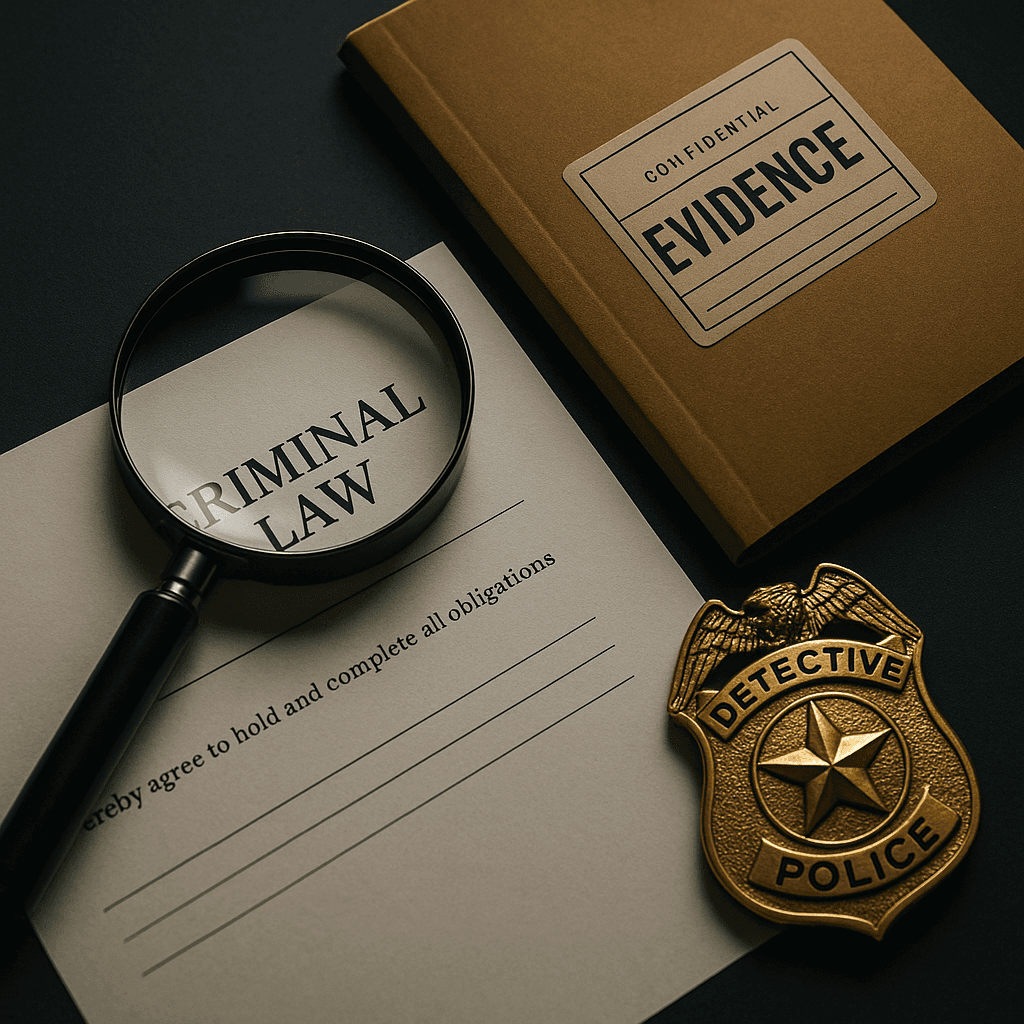
A wrongful death action allows certain family members or representatives to pursue legal claims when a person dies as a result of another party's negligence, recklessness, or intentional conduct. The claim seeks to recover damages for the economic and non-economic losses caused by the death, including lost income, medical expenses, and the loss of companionship. New York law imposes strict requirements about who may bring such an action and within what timeframe. Understanding these foundational rules helps families evaluate whether they have a viable claim and what evidence will matter most.
続きを読む

Divorce Attorney in NY Provides Legal Guidance for Separation
Three Key Divorce Lawyer Points from NY Attorney: Equitable distribution of marital assets, custody and support determination, and New York Supreme Court jurisdiction.Divorce in New York involves complex financial and family law issues that require careful planning and strategic representation. Whether your situation involves significant assets, child custody disputes, or disagreements over spousal support, the decisions you make early in the process will shape the outcome. This article explains the core legal framework, common procedural pitfalls, and strategic considerations that should guide your decision to seek counsel.
続きを読む