法律情報

What Intellectual Property Agreement Terms Should a Copyright Holder Review?
An intellectual property agreement is a legally binding contract that defines the ownership, use, licensing, and protection of creative works, inventions, trademarks, or other IP assets between parties. These agreements establish clear rights and obligations under copyright, patent, trademark, and trade secret law, and failure to document ownership or licensing terms in writing can result in disputes, loss of control over your work, or inability to enforce your rights in court. Copyright holders face particular risks when agreements lack specificity about derivative works, sublicensing authority, attribution requirements, and termination provisions. This article covers the core components of intellectual property agreements, how they protect your creative interests, common pitfalls in drafting and enforcement, and strategic considerations for safeguarding your work.
続きを読む

How Do International Trade Disputes Arise between Trading Partners?
International trade disputes emerge when trading partners disagree over contract performance, tariff classifications, regulatory compliance, or the interpretation of trade agreements, and resolving them requires understanding both the substantive disagreement and the procedural mechanisms available under domestic and international law. For corporations engaged in cross-border commerce, these disputes can disrupt supply chains, expose the business to unexpected tariffs or sanctions, and create uncertainty about enforceability of remedies across jurisdictions. The root causes often involve ambiguous contract language, differing regulatory interpretations, or alleged violations of trade agreements, such as the World Trade Organization framework. Understanding the structural landscape of these disputes, the forums available to address them, and the strategic timing of claims can shape whether a corporation preserves its commercial relationship, recovers losses, or faces enforcement barriers down the road.
続きを読む

How Do Dereliction of Duty Charges Lead to Legal Penalties?
Dereliction of duty charges arise when a person in a position of legal or professional responsibility fails to perform an obligation imposed by law, regulation, or contract, and that failure causes harm or breach of trust. This charge does not require proof of intentional wrongdoing or malice. Instead, prosecutors or complainants must establish that a duty existed, that the defendant had knowledge of the duty, and that the failure to perform it resulted in a measurable breach or injury. The standard varies significantly depending on whether the claim is civil, administrative, or criminal, and the context in which the duty arose.
続きを読む

How Can a Landlord Defend against Foreclosure in New York?
Foreclosure defense strategies available to property owners in New York depend on whether the lender has followed proper procedural requirements, whether the loan documents contain enforceable terms, and whether the borrower has raised valid counterclaims or affirmative defenses rooted in state and federal law. New York courts have established that a lender seeking to foreclose must prove compliance with strict pleading standards and documentary authentication before a court will order sale of the property. Landlords facing foreclosure often discover that procedural defects, documentation gaps, or violations of the Truth in Lending Act (TILA) or Real Estate Settlement Procedures Act (RESPA) can materially affect the lender's right to proceed. Understanding these defenses early, before a judgment enters and the redemption period closes, is critical to preserving options and negotiating from a position of informed leverage.
続きを読む

What Is the First Thing to Verify When Consulting a 24-Hour Car Accident Lawyer?
3 Questions Clients Ask About 24 Hour Car Accident Lawyer Services: Immediate police report filing, insurance claim deadlines within 30 days, preservation of accident scene evidence.When you are injured in a motor vehicle collision, the first hours matter enormously. A 24 hour car accident lawyer can help you navigate the critical decisions that follow impact, from securing evidence to protecting your legal rights before memories fade and witnesses disappear. This article examines what you should prioritize immediately after an accident and how early legal guidance shapes your recovery claim.
続きを読む
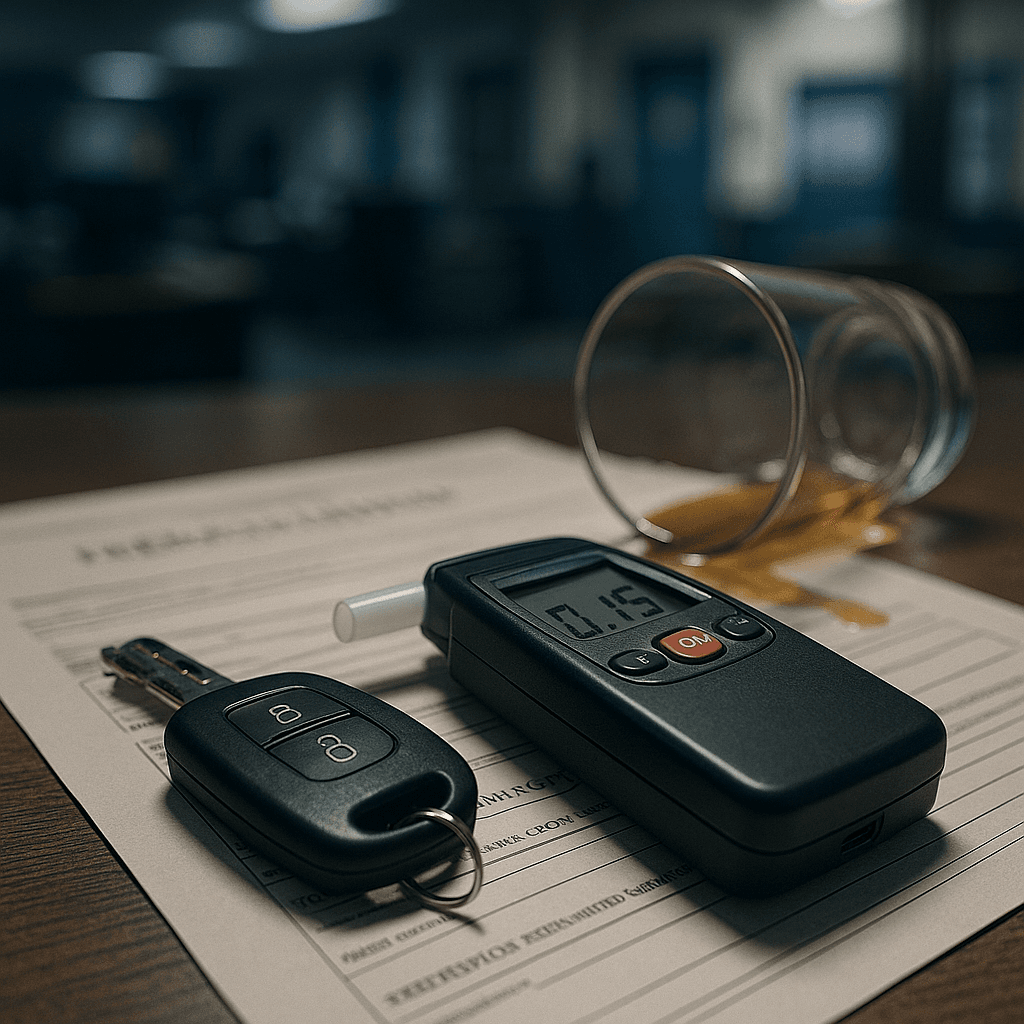
Divorce Attorney in Queens, New York : Legal Steps to Divorce
3 Key Legal Steps to Divorce Points From Lawyer Queens, New York Attorney: Residency requirement met, grounds established, property divided equitably Divorce in New York requires meeting specific residency and procedural requirements before filing. The process involves establishing grounds, negotiating or litigating asset division, and securing a final judgment. Understanding the sequence of steps, from initial consultation through final decree, helps clients avoid costly delays and protect their interests.
続きを読む