法律情報

Immigration: New York Guide to Visas, Green Cards, and Removal Defense
Immigration law decides who can enter, stay, work, or become a citizen in the U.S., and one filing mistake can cost years.If you are navigating immigration from New York, the path splits fast into family petitions, work visas, green cards, citizenship, and removal defense. Many cases stall because of missed filing requirements, not eligibility alone. This guide maps the major immigration pathways under federal law, shows how New York handles them in practice, and points you to the right next step.
続きを読む

Joint Inheritance Rights, Property Division, and Dispute Resolution
Joint inheritance explains shared ownership rights, property division, and dispute resolution under Washington, D.C. .aw to help heirs understand their legal options. Joint inheritance generally arises when multiple heirs inherit the same property and share legal ownership. Throughout this guide, joint inheritance is explained through ownership rights, partition procedures, and dispute resolution under Washington, D.C. .aw. Understanding joint inheritance early helps families protect shared assets, reduce conflict, and make informed decisions throughout the joint inheritance process.
続きを読む

Federal Prosecution Defense Attorney in Manhattan for Conspiracy Cases
A federal prosecution defense attorney in Manhattan can assess conspiracy charges, cooperation risks, plea options, and trial strategy. Conspiracy cases often turn on co-defendant evidence, cooperation choices, and early motions. The key is to compare what the government can prove with the risks of a plea, cooperation agreement, or trial.
続きを読む
Why Life Sciences Regulatory Audits Reject Batch Documents
Life sciences regulatory compliance is the legal and operational framework governing how companies develop, manufacture, test, and market products in the pharmaceutical, biotechnology, medical device, and related industries. Regulatory bodies, such as the U.S. Food and Drug Administration, establish mandatory standards for product safety, efficacy, labeling, and manufacturing practices before market entry. Failure to meet these requirements can result in product seizure, warning letters, civil penalties, or criminal prosecution. This article covers the core compliance obligations, agency oversight mechanisms, documentation standards, and the intersection of federal and state regulatory postures.
続きを読む

What Are Community Reinvestment Act Compliance Requirements?
The Community Reinvestment Act (CRA) is a federal statute that requires depository institutions to demonstrate they are meeting the credit needs of communities they serve, including low- and moderate-income neighborhoods, through lending, investment, and service activities. Compliance with the CRA involves regulatory examination by federal banking agencies, which assess an institution's record of meeting community credit needs and may result in enforcement action or restrictions on growth if deficiencies are found. Failure to maintain adequate CRA performance can expose financial institutions to public criticism, regulatory sanctions, and challenges to merger or expansion applications. This article examines the statutory framework, examination methodology, investment strategies, and documentation practices that shape compliance posture for investors evaluating financial institution partnerships or portfolio exposure.
続きを読む

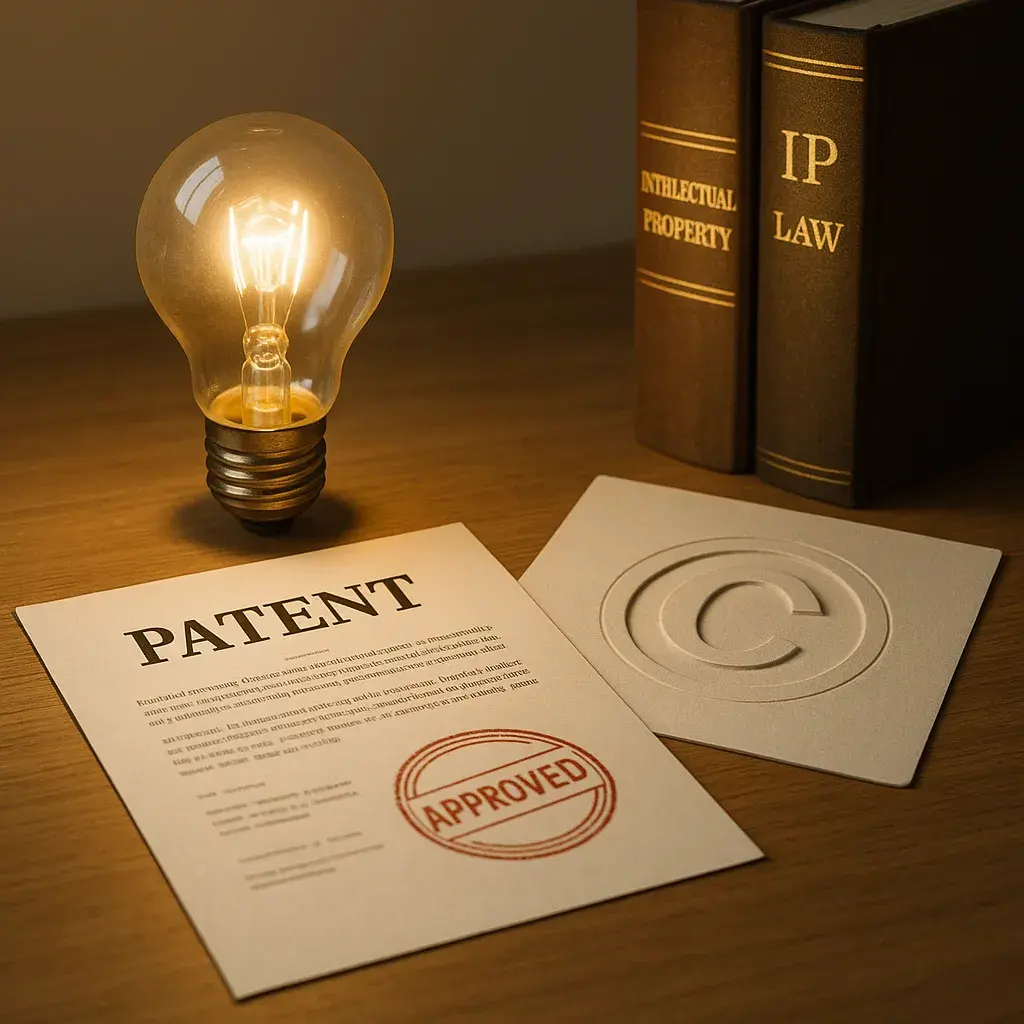
What Is App Patent Protection and How Does It Work?
An app patent is a form of intellectual property protection that grants a patent holder exclusive rights to a software application, its underlying code, methods, or novel features for a set period, typically twenty years from the filing date. The U.S. Patent and Trademark Office (USPTO) evaluates app patent applications under a statutory framework that requires the claimed invention to be novel, non-obvious, and useful. Failure to meet filing deadlines, maintain adequate specification language, or respond to USPTO office actions can result in application rejection or abandonment, leaving the software unprotected against competitors. This article covers the core requirements for patentability of software applications, common obstacles during prosecution, strategic filing approaches, and how patent holders can enforce and maintain their rights in the U.S. .arket.
続きを読む