法律情報

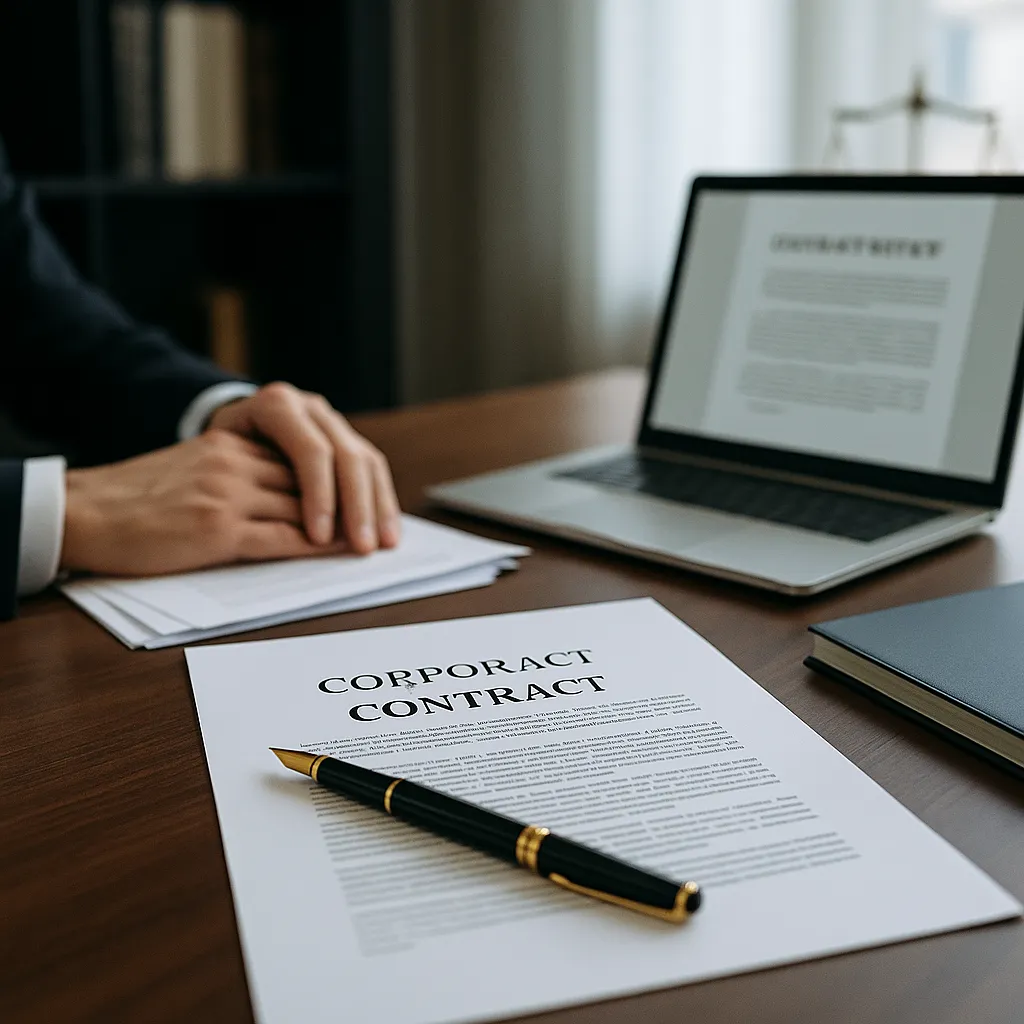
When Should Your Company Consult an Antitrust Lawyer for Agreements?
An antitrust agreement is a contract or understanding between competitors that restrains trade, and corporations can face significant civil and criminal liability for participation, even if the agreement is informal or never fully executed. The Sherman Act and Clayton Act prohibit agreements that unreasonably restrict competition, and courts evaluate liability based on the nature of the agreement, market impact, and intent to restrain trade. From a practitioner's perspective, many corporations discover antitrust exposure only after a government investigation or private lawsuit has commenced, which is why understanding the legal framework early can inform compliance strategy and litigation posture. Federal and state enforcement agencies actively investigate suspected cartels, and the consequences include treble damages in civil litigation, criminal penalties, and reputational harm.
続きを読む

Land Law: Complete Legal Guide for Property Owners & Buyers
Navigating land law essentials for property owners and buyers. Discover ownership rights, boundary dispute solutions, and secure property transactions today.
続きを読む

Manhattan Car Accident Lawyer Explains 3 Key Points for Car Accident Settlement
3 Key Car Accident Settlement Points From Manhattan Attorney: Statute of limitations is 3 years, comparative negligence reduces recovery, insurance negotiation criticalManhattan car accident cases involve complex liability and insurance dynamics that often determine whether a victim recovers full compensation or faces a reduced award. The path from collision to settlement requires understanding New York's legal framework, the role of insurance carriers, and when litigation becomes necessary. As counsel, I advise clients that early strategic decisions, such as documenting the scene and preserving evidence, directly influence settlement leverage and case value.
続きを読む

File a Petition for Adult Guardianship with a Family Lawyer NYC
Initiating a legal intervention for an incapacitated adult requires precise adherence to Article 81 of the New York Mental Hygiene Law. Professional guidance from a family lawyer NYC ensures your petition for adult guardianship meets the high evidentiary standards set by the Supreme Court. We focus on gathering clear medical documentation and fulfilling local notice requirements across all five boroughs to establish a protective framework that respects the ward's dignity and legal rights. Adult Guardianship Procedural EssentialsClear and Convincing Proof Petitioners must provide objective medical or psychological evidence demonstrating that a person cannot manage daily personal or financial needs.Least Restrictive Access New York judges prioritize arrangements that preserve as much of the ward's autonomy as possible, often favoring limited over full guardianship.Court Evaluator Role The court typically appoints an independent investigator to interview the ward and the petitioner before providing a recommendation to the judge.Cross Borough Jurisdiction Filings must occur in the Supreme Court of the specific county where the ward resides, whether in Manhattan, Brooklyn, Queens, the Bronx, or Staten Island.
続きを読む

Unlicensed Money Transmission and the Legal Risks You Should Know
Learn how unlicensed money transmission is defined under New York and federal law, the licensing requirements, criminal penalties, and practical compliance measures. Unlicensed money transmission refers to operating a money transmitting business without the licenses required under New York and federal law. Unlicensed money transmission can expose individuals and businesses to criminal prosecution, substantial fines, and asset forfeiture. From my experience, many investigations begin when routine financial transactions raise regulatory concerns rather than obvious criminal activity. Understanding unlicensed money transmission rules early helps reduce legal risk and supports regulatory compliance.
続きを読む

Corporate Crime Attorney: Manhattan White-Collar Defense Guide
Manhattan's concentration of financial institutions, public companies, and cross-border transactions puts businesses and executives here in the crosshairs of an unusually active enforcement environment, with the Southern District of New York among the most aggressive federal prosecutorial offices in the country. Corporate crime charges can originate from an SEC referral, a whistleblower complaint, or an internal discovery, and often expose both the company and individual officers at the same time. This guide covers what actually separates corporate crime defense from general criminal representation, the federal and state charges Manhattan businesses run into most often, and what to look for in defense counsel. It also walks through how a defense typically unfolds from the first assessment through resolution, and why financial regulatory knowledge matters when a business's reputation and continuity are both on the line.
続きを読む