




法律情報

What Professional Misconduct Law Defines As Fiduciary Breach?
Professional misconduct is a violation of the ethical, legal, or regulatory standards that govern a licensed professional's conduct in their field of practice. Most jurisdictions define professional misconduct through statutory frameworks, regulatory codes, and disciplinary rules that establish minimum standards of competence, honesty, and client protection. A finding of professional misconduct can trigger license suspension, revocation, fines, or civil liability, depending on the severity and nature of the violation. This article examines the legal definition of professional misconduct, the standards of proof applied in disciplinary proceedings, the types of conduct that expose professionals to liability, and how investors and other stakeholders can recognize and respond to violations.
続きを読む

Protecting Your Creative Rights in Design Copyright Infringement
Design copyright infringement occurs when someone reproduces, distributes, or publicly displays a protected original design without permission from the copyright holder. Copyright protection for designs is governed by federal statute and applies to the visual expression embodied in a work, not the underlying functional or utilitarian aspects. The copyright holder bears the burden of proving that the allegedly infringing work is substantially similar to the protected design and that the infringer had access to the original. Infringement can be direct (the infringer created the copy) or indirect (the infringer induced or materially contributed to another's infringement).
続きを読む

How Can You Effectively Win Your Wrongful Termination Action?
A wrongful termination action allows workers to challenge a firing that violates statutory protections, public policy, or contractual obligations. Unlike at-will employment doctrine, which permits employers to terminate workers for almost any reason, wrongful termination claims rest on specific legal grounds. These grounds may include retaliation for protected activity (reporting safety violations, jury duty, or wage theft), discrimination based on protected characteristics, breach of an implied covenant of good faith and fair dealing, or violation of state or federal whistleblower statutes. Understanding which legal theory applies to your situation determines what evidence you must gather, what timeline you face for filing, and what remedies a court may consider.
続きを読む

Sex Crime Lawyer Near Me: Your Rights and Legal Response Options
Sex crime cases involve complex, trauma-informed legal processes where victim advocacy and evidence preservation can significantly shape outcomes and access to support services. As a victim of sexual assault or abuse, understanding your legal rights and the role of specialized counsel is critical for navigating criminal proceedings, protective orders, and restitution claims. In New York, victims have statutory rights to participate in the criminal process, receive notice of key hearings and dispositions, and pursue financial recovery through court-ordered restitution. From a practitioner's perspective, early engagement with a sex crime lawyer who understands victim-centered advocacy can help ensure your voice is heard and your safety interests are protected throughout the case.
続きを読む
Tariff and Customs Advisory: What Legal Risks Should You Address First?
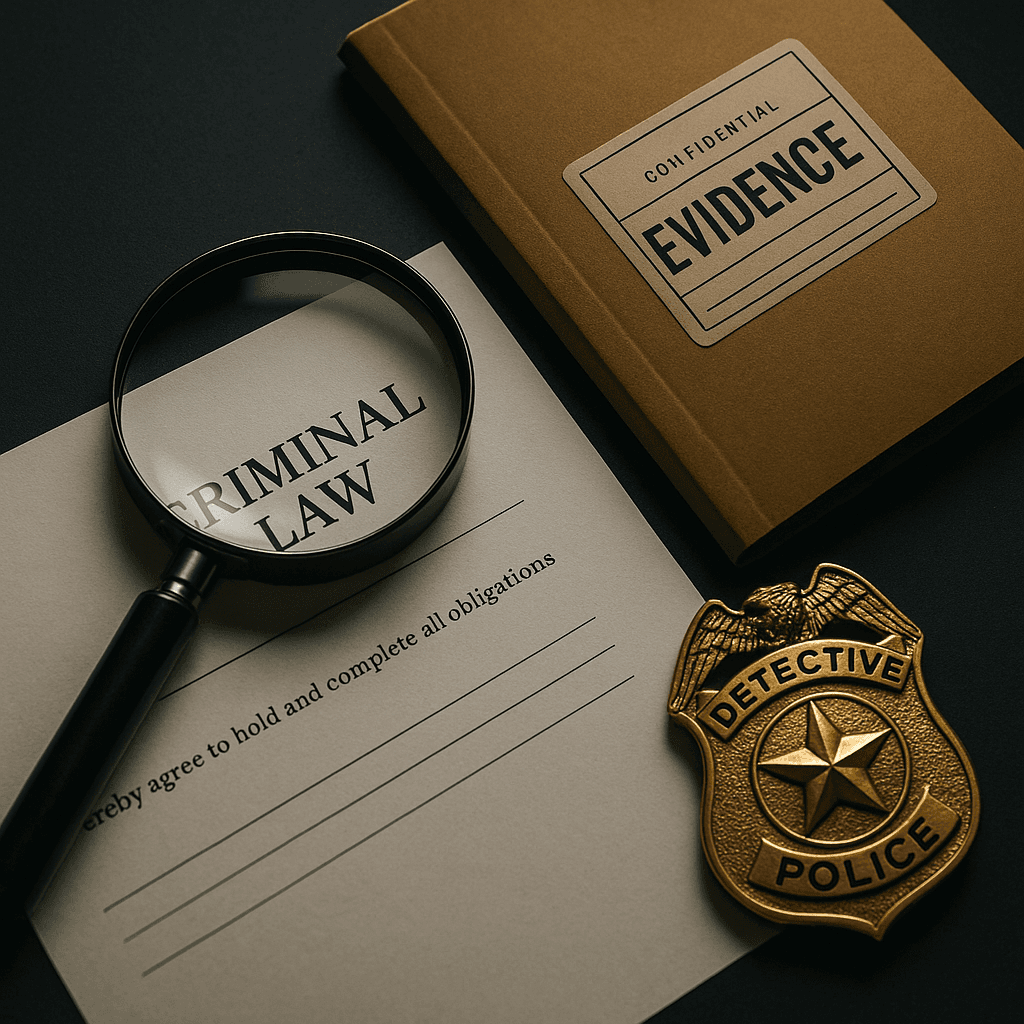
3 Questions Decision-Makers Raise About Tariff and Customs Advisory: Classification disputes and duty exposure, regulatory compliance timelines, cross-border transaction structuring.In-house counsel and business decision-makers operating in international trade face a complex landscape where tariff classification, customs compliance, and trade agreement eligibility can shift rapidly. Tariff and customs advisory work focuses on helping organizations navigate import and export regulations, minimize duty exposure, and structure transactions to comply with evolving trade law. From a practitioner's perspective, the stakes are often higher than clients initially recognize. A single misclassification can trigger back duties, penalties, and operational disruption that extend across multiple shipments and years. The goal of effective tariff and customs advisory is not merely to file correctly today, but to identify structural vulnerabilities in your supply chain and trading practices before they become disputes.
続きを読む

Real Estate Attorney in NYC’S Legal Guide for Foreclosure
Three Key Foreclosure Attorney Points From a New York Lawyer: 90-day notice requirement, deficiency judgment risk, and loss mitigation options.Foreclosure in New York is not a simple process. Lenders must follow strict procedural rules, and homeowners have meaningful defenses and alternatives. A real estate attorney in NYC can help you navigate the timeline, evaluate your options, and protect your equity. Whether you are facing foreclosure or managing a portfolio of distressed properties, understanding New York's unique foreclosure framework is essential to your strategy.
続きを読む
