法律情報

How Does Healthcare Regulatory Law Handle Billing Fraud Audits?
Healthcare regulatory compliance refers to the legal obligation of healthcare providers, facilities, and professionals to operate within the framework of federal and state laws, rules, and agency guidance that govern patient care, billing, data protection, and operational standards. The regulatory landscape imposes strict procedural requirements on licensing, documentation, billing practices, and patient privacy that vary by state and federal jurisdiction. Violations of these requirements can result in civil penalties, license suspension or revocation, criminal liability, or loss of participation in government healthcare programs. This article covers the core regulatory domains that affect healthcare professionals, the key compliance obligations you face, common audit and enforcement pathways, and practical considerations for maintaining compliant operations.
続きを読む

How Can Tax Structuring Help Optimize Your Financial Position?
Tax structuring is the deliberate organization of your financial affairs, business operations, or investment holdings to minimize tax liability within the bounds of applicable law. The Internal Revenue Code and state tax law allow taxpayers to arrange their affairs in ways that result in lower overall tax obligations, provided the arrangement has economic substance beyond tax avoidance alone. Failure to structure properly can result in penalties, interest assessments, and exposure to IRS challenges or state audit findings. This article covers how tax structuring works, the legal framework that governs it, common strategies available to individual and business taxpayers, and the procedural and compliance considerations that protect your position.
続きを読む

How Can a Compensation Attorney Help You Understand Compensation Arrangements?
Compensation arrangements in employment, injury, and benefits contexts involve complex legal frameworks that determine what you are entitled to receive and how to pursue those claims. As counsel, I often advise workers that understanding the structure of compensation arrangements, the standards courts and agencies apply, and the procedural timelines involved can mean the difference between preserving your rights and losing them through inadvertent delay or misstatement. Compensation takes many forms, from workers' compensation benefits to personal injury settlements to employment-related damages, and each operates under distinct statutory rules. The role of a compensation attorney is to help you navigate these systems, identify which legal framework applies to your situation, and understand the evidence and documentation needed to support your claim.
続きを読む

What Role Does a Juvenile Law Lawyer Play in Investigations?
3 Questions Clients Ask About Investigations: Early involvement in police questioning, evidence preservation rights, procedural safeguards for minorsWhen a young person faces police investigation or questioning, the decision to involve counsel early can shape how the entire matter unfolds. A juvenile law lawyer serves as an advocate at the investigative stage, ensuring that procedural protections designed for minors under New York law are honored and that evidence is properly documented. Understanding when and how to engage legal representation during investigations is critical, because once statements are given or evidence is collected, the record becomes difficult to alter or challenge later.
続きを読む
Stop Unauthorized Use with a Top Trademark Lawyer in NYC
Three key unauthorized use of trademark points from lawyer NYC attorney: Likelihood of confusion standard, federal and state remedies, cease-and-desist strategy Unauthorized use of a trademark creates immediate legal exposure for both the infringer and the trademark owner. As a trademark lawyer in NYC, I work with clients who face infringement claims or who need to protect their own marks from unauthorized use. The stakes are significant. A single instance of unauthorized use can trigger federal litigation, damages claims, and injunctive relief that disrupts business operations. Understanding when use crosses the line from permissible competition into infringement, and what remedies are available, shapes how you respond and what risks you face.
続きを読む

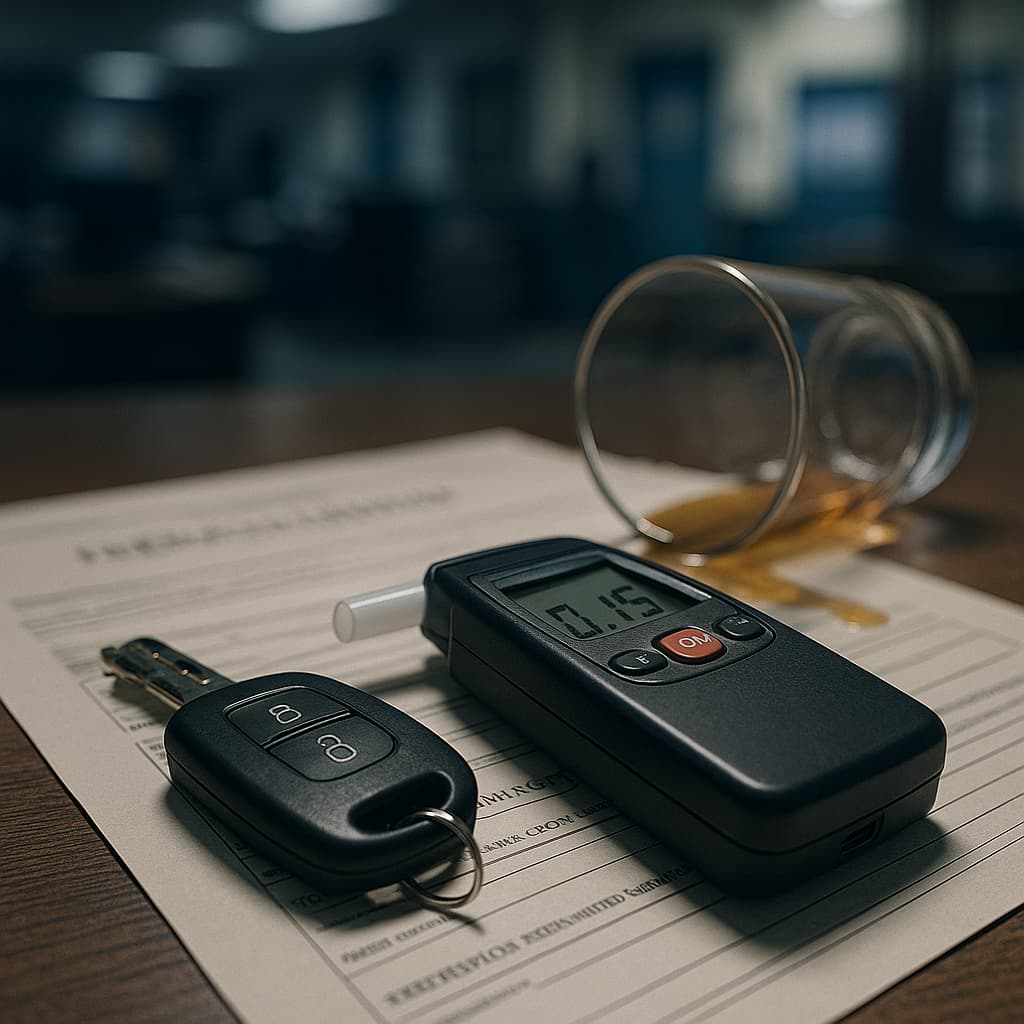
Implied Consent Violations: Rights & Defense
Under New York Vehicle and Traffic Law Section 1194, driving implies consent to chemical tests. Refusing a breathalyzer triggers an immediate license suspension and civil penalties, separate from criminal DUI charges. Challenging police procedural errors and test validity in administrative hearings can protect driver rights and preserve driving privileges.
続きを読む