法律情報

What Is Advertising and Marketing Law? Key Legal Risks Businesses Miss
Advertising and marketing law governs the legal obligations, restrictions, and remedies that apply when businesses promote goods, services, or ideas to consumers, competitors, or the public. The regulatory framework combines federal statutes (primarily the Federal Trade Commission Act), state consumer protection laws, and common law doctrines that impose duties of truthfulness, substantiation, and fair dealing. Violations can result in injunctions, civil penalties, consumer refunds, corrective advertising orders, and private lawsuits for damages or unjust enrichment. This article addresses the core legal standards, key enforcement mechanisms, the distinction between permissible puffery and unlawful deception, and the procedural postures that arise when disputes over advertising claims reach litigation or administrative review.
続きを読む

What Are Securities Exchange Act Disclosure Requirements for Investors?
Understand Securities Exchange Act disclosure requirements, SEC reporting duties, anti-fraud rules, and investor transparency standards. The Securities Exchange Act Disclosure Requirements establish how public companies must provide accurate and timely information to investors. These Securities Exchange Act Disclosure Requirements govern periodic SEC reports, current disclosures, and anti-fraud obligations that promote transparent securities markets. Understanding Securities Exchange Act Disclosure Requirements helps investors evaluate corporate disclosures and identify potential compliance concerns under federal securities laws.
続きを読む

Trespass Lawyer Explains Civil and Criminal Trespass Claims
3 Questions Clients Ask About Trespass Cases: property boundary disputes, notice and intent requirements, civil versus criminal remediesTrespass is one of the oldest property law concepts in the United States, yet its application in modern New York practice remains surprisingly contested. At its core, trespass involves unauthorized entry onto another person's land or property, but the legal framework distinguishes between civil claims and criminal violations, each carrying different burdens of proof and remedies. Understanding when trespass occurs, what evidence matters, and what recourse exists is essential for property owners navigating disputes with neighbors, trespassers, or even government actors. This article explores how New York courts define and address trespass, the role of intent and notice, and the practical considerations that shape how these cases develop.
続きを読む
How Labor Law Attorneys in NYC Manage Redundancy Strategies
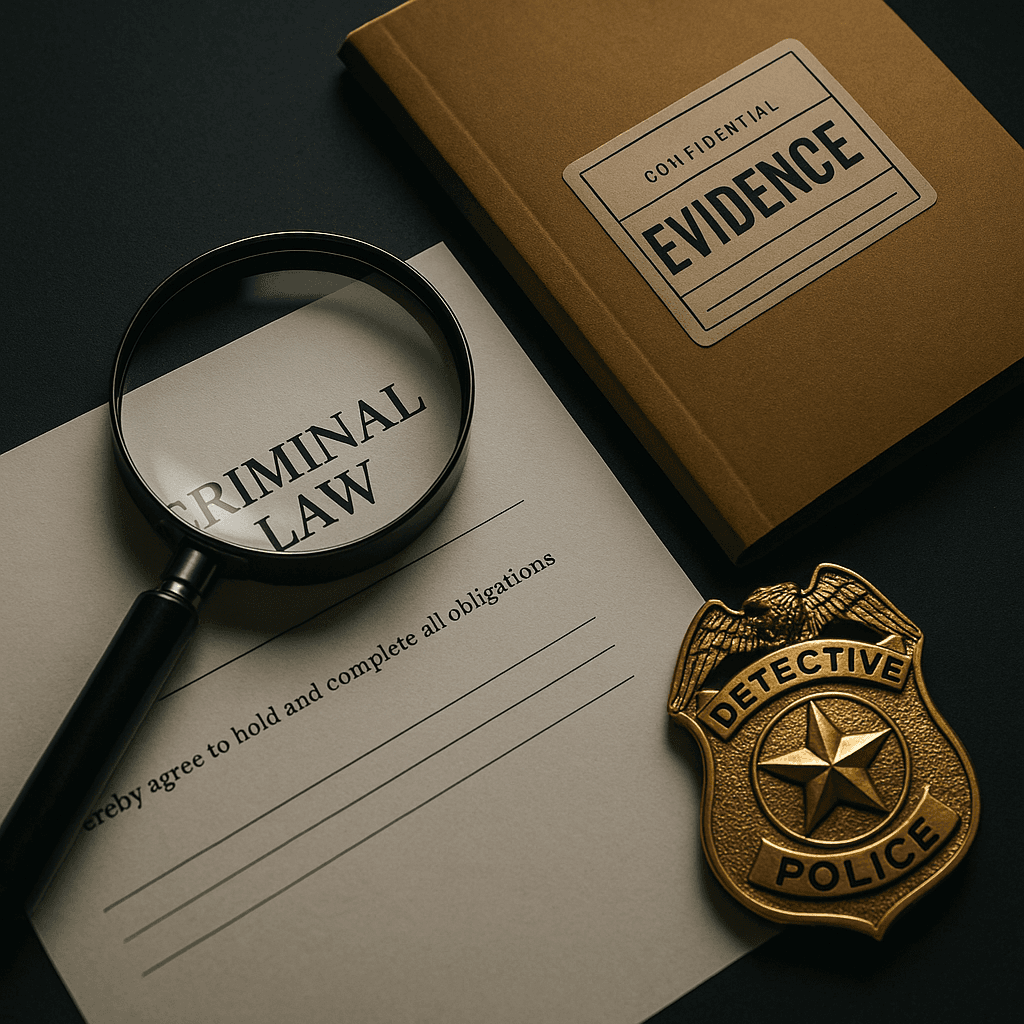
3 Key Redundancy Points From Lawyer NYC Attorney: WARN Act 60-day notice requirement, New York Paid Leave accrual obligations, severance negotiation leverage.Redundancy is one of the most legally complex workforce reductions an employer can execute. When a position or department is eliminated, the company must navigate federal notice requirements, state wage and hour laws, and potential discrimination claims that often surface in layoff contexts. New York imposes specific obligations on employers regarding accrued paid leave, final paychecks, and documentation that can create significant liability if mishandled. Labor law attorneys in NYC frequently advise employers on how to structure redundancy decisions to minimize legal exposure while protecting the company from costly litigation.
続きを読む

Accident Reconstruction: Evidence, Liability, and Expert Analysis
Accident Reconstruction explains how physical evidence, expert analysis, and forensic methods determine fault and support legal claims in New York. Accident Reconstruction uses engineering principles, vehicle damage, roadway evidence, and witness evaluation to determine how a collision occurred. Accident Reconstruction supports traffic violation proceedings, personal injury claims, property damage disputes, and related litigation through reliable forensic analysis. From my experience, early evaluation of reconstruction evidence often helps clarify disputed liability before litigation advances.
続きを読む
Nycha Lawyers on the Elements of Adverse Possession in New York
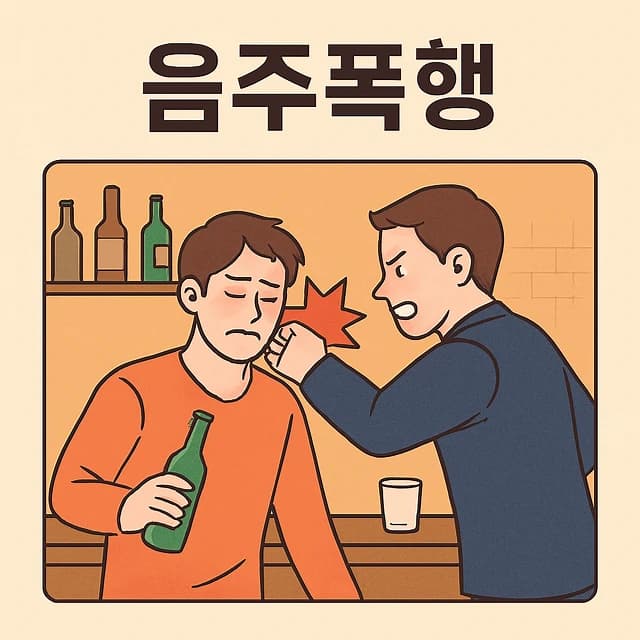
Adverse possession is a legal doctrine that allows a person to acquire ownership of real property through continuous, open, and exclusive occupation for a statutory period. For tenants and property owners in New York City Housing Authority (NYCHA) communities, understanding adverse possession elements is critical to protecting property rights and resolving boundary disputes. NYCHA lawyers assist clients in navigating the complexities of adverse possession claims, whether defending against such claims or pursuing them when circumstances warrant.
続きを読む