




法律情報

Statutory Liability and Collective Restitution in a Data Privacy Class Action
A data privacy class action in New York aggregates thousands of individual claims to address corporate negligence, breach of implied contract, and deceptive trade practices. Driven by the New York SHIELD Act and General Business Law Section 349, these lawsuits target companies that fail to implement administrative, technical, and physical safeguards. Success in these cases hinges on the "Typicality" and "Predominance" of the claims, where common questions(such as a shared security vulnerability or a misleading privacy policy)outweigh individual differences. Beyond mere cash payouts, modern data privacy litigation seeks injunctive and declaratory relief, forcing companies to adopt "best-in-class" security frameworks and providing long-term identity theft protection for vulnerable populations. Strategic Intelligence: The Data Privacy Litigation MatrixCase ElementLegal Standard & RequirementStrategic Impact on the ClassThe SHIELD ActMandates "reasonable" data security for NY residents.Failure to encrypt or audit systems creates a presumption of negligence.GBL Section 349Prohibits deceptive/misleading security claims.Allows for statutory damages without needing to prove the company's "intent."Article III StandingMust prove a "concrete injury" (even if non-monetary)."Lost time" and "imminent risk" are increasingly recognized as valid injuries.Officer LiabilityPersonal accountability for gross mismanagement.Targets C-suite executives who slashed security budgets despite known risks.Injunctive ReliefCourt-mandated technical overhauls and audits.Fixes the "root cause" of the breach, providing lasting consumer protection.
続きを読む

Divorce Mediation Process and Procedures in New York
The divorce mediation process in New York serves as a voluntary and confidential alternative to traditional courtroom battles, allowing spouses to retain control over their future. By engaging a neutral third party, couples can address complex issues such as property division, child custody, and financial support in a collaborative environment. This guide explores the legal framework of mediation, the specific procedural steps involved, and the strategic advantages of choosing this path over adversarial litigation. Understanding how the New York court system recognizes and incorporates mediated agreements is essential for any couple seeking a dignified and efficient resolution to their marriage.
続きを読む

How Can Corporations Ensure Consumer Protection Compliance?
Consumer protection compliance is a mandatory operational framework that corporations must implement to avoid regulatory penalties, civil liability, and reputational harm. Corporations face enforcement exposure from state attorneys general, the Federal Trade Commission, and private litigants who can challenge practices that violate disclosure requirements, unfair trade statutes, or data handling standards. Compliance failures often stem from gaps in documentation, inadequate training, or outdated policies rather than intentional wrongdoing, yet the consequences remain substantial. This article covers the procedural and substantive requirements corporations should address, common enforcement pathways, and practical steps to reduce exposure.
続きを読む
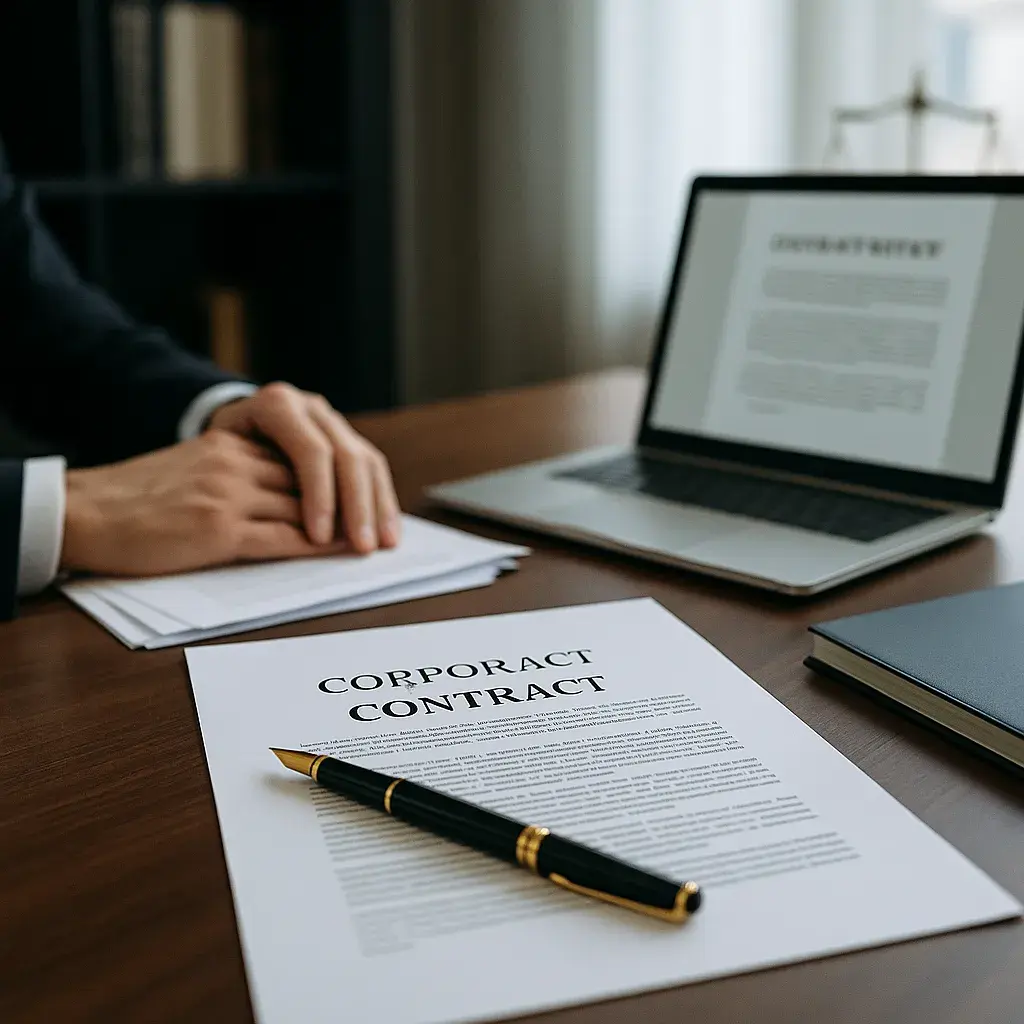
Safeguarding Your Capital Via Insurance Rights and Policy Remedies
Insurance serves as a foundational risk management tool for investors, protecting capital and operations across multiple asset classes and business structures. Understanding insurance coverage requires clarity on what types of policies address specific investment risks, how coverage gaps expose portfolio interests, and when policy terms create disputes that affect recovery. From a practitioner's perspective, investors often discover that standard commercial policies contain exclusions or limitations that do not align with their actual exposure, leaving significant gaps in protection. The interplay between policy language, claims procedures, and the insurer's duty to defend creates procedural complexity that can determine whether a loss is recoverable or left uncompensated.
続きを読む

Trials and Appeals in New York Courts: Procedure and Appeal Rights
Trials and appeals form the foundation of judicial review in New York courts, determining how factual disputes are resolved at trial and how legal errors may be challenged through appellate review. Understanding the distinction between these stages is critical because the rights available on appeal are often shaped by decisions made during the trial process. At the trial level, courts evaluate evidence, witness testimony, and legal arguments before issuing a judgment. During an appeal, a higher court reviews the trial record to determine whether legal or procedural errors affected the outcome. Because appellate courts generally do not consider new evidence, preserving issues during trial often becomes a decisive factor in any later appeal.
続きを読む

New York Defamation Lawyer: Civil Defamation Lawsuits Explained
A new york defamation lawyer explains civil defamation lawsuit requirements, CPLR procedures, evidentiary standards, damages, and New York legal strategy. A new york defamation lawyer determines whether a civil defamation lawsuit satisfies New York legal standards by evaluating falsity, publication, fault, damages, and available defenses. A new york defamation lawyer also explains CPLR pleading requirements, evidentiary standards, summary judgment risks, and practical strategies for preserving critical evidence before filing a civil defamation lawsuit. Consulting a new york defamation lawyer early helps assess claim viability and prepare an effective litigation strategy under New York law.
続きを読む
