




法律情報

How to Find the Best Trademark Attorney in New York for Strong Brand Protection
New York trademark attorney reveals 3 essentials for choosing the best trademark attorney:experience with USPTO prosecution, strategic brand protection planning, proven enforcement and litigation capability Finding the right trademark attorney is essential for protecting your intellectual property and ensuring your brand remains secure. A best trademark attorney in New York combines extensive legal expertise with practical knowledge of federal and state trademark law. Whether you are launching a new brand, facing infringement issues, or seeking comprehensive trademark protection, an experienced attorney can guide you through complex registration and enforcement processes. This guide explains what makes a top trademark attorney valuable and how to identify the right professional for your needs.
続きを読む
Understanding Non-Compete Clauses and Enforceability under New York Law
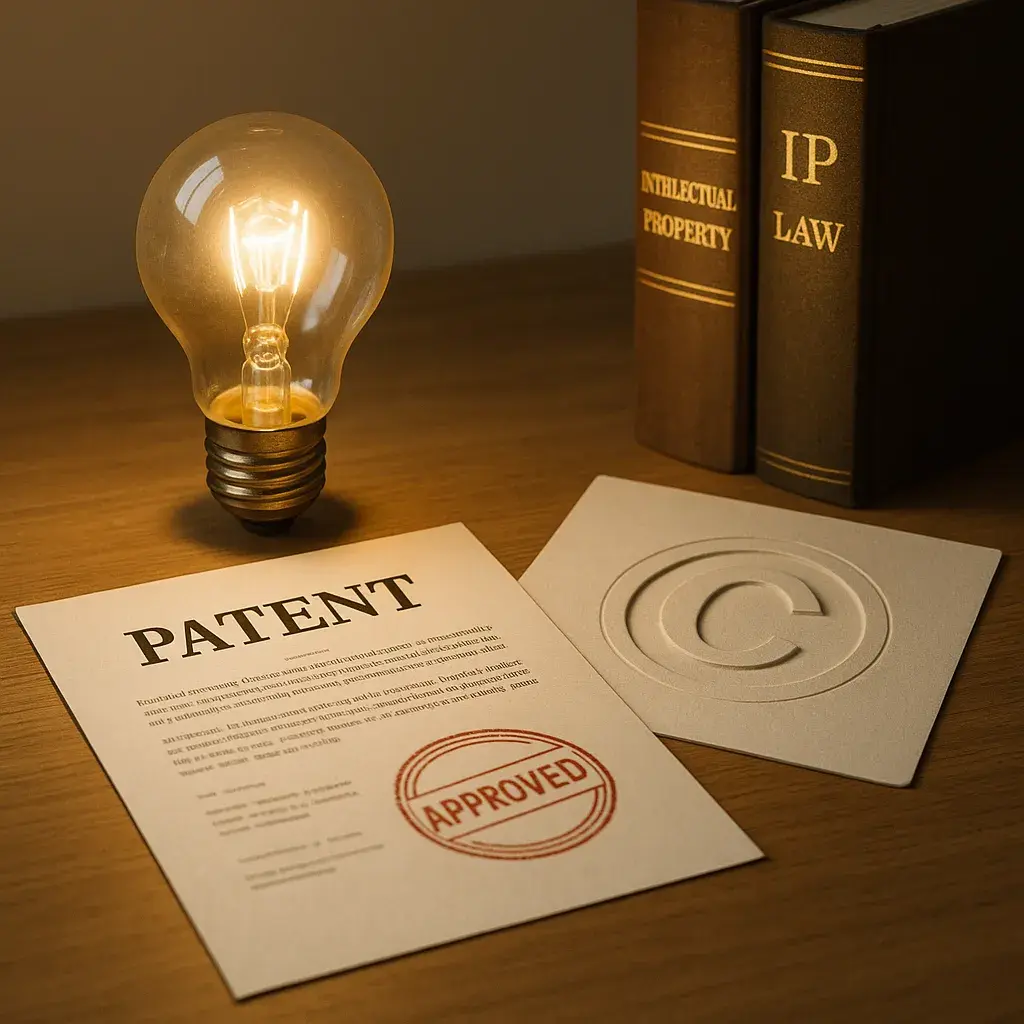
Non-Compete Clause key considerations for employers and employees:Enforceability standards, legitimate business interests, and negotiation or defense strategies A non-compete clause is a contractual provision that restricts an employee or business owner from engaging in competitive activities after leaving their current position or business relationship. In New York, non-compete clauses are subject to specific legal standards that determine their enforceability. Understanding how these clauses work and what makes them valid under New York law is essential for both employers seeking to protect their business interests and employees concerned about their career mobility. This guide explains the key requirements for non-compete clauses in New York and how courts evaluate their validity.
続きを読む

Why Should You Consult an Architectural Law Specialist in New York?
An architectural law specialist prevents costly litigation by reviewing professional agreements and clarifying ownership of your unique design documents.Architects and design professionals face unique legal challenges that extend far beyond the drawing board. An architectural law specialist helps navigate the intersection of creative work, contractual obligations, and regulatory compliance. Whether you are managing a complex building project, protecting intellectual property in your designs, or defending against claims of professional negligence, understanding the legal framework governing architectural practice is critical to protecting your interests and your firm's reputation.
続きを読む

Train Accident Lawyer: Legal Rights and Injury Claim Strategies in New York
A Train Accident Lawyer in New York protects your legal rights and secures maximum compensation after severe transit injuries. Victims of MTA, LIRR, or Metro-North crashes face complex liability standards and strict municipal deadlines. Filing a Notice of Claim within 90 days remains essential for preserving public entity claims. SJKP's attorneys guide injured passengers and railroad workers through state personal injury laws and FELA claims.
続きを読む

How Does a Technology Action Proceed in Civil Court?
A technology action is a civil dispute over intellectual property rights, licensing agreements, software disputes, or other technology-related contractual or tort claims.These actions require the plaintiff to establish both the legal basis for the claim and the factual elements that support relief, whether through contract interpretation, infringement allegations, or breach of duty. Success depends on preserving evidence, meeting filing deadlines, and anticipating procedural defenses that defendants commonly raise. The scope of this article addresses the key procedural stages, burdens of proof, common defenses, and practical steps parties must take to protect their interests in technology litigation.
続きを読む
Financial Institutions Litigation Procedures and Key Strategies
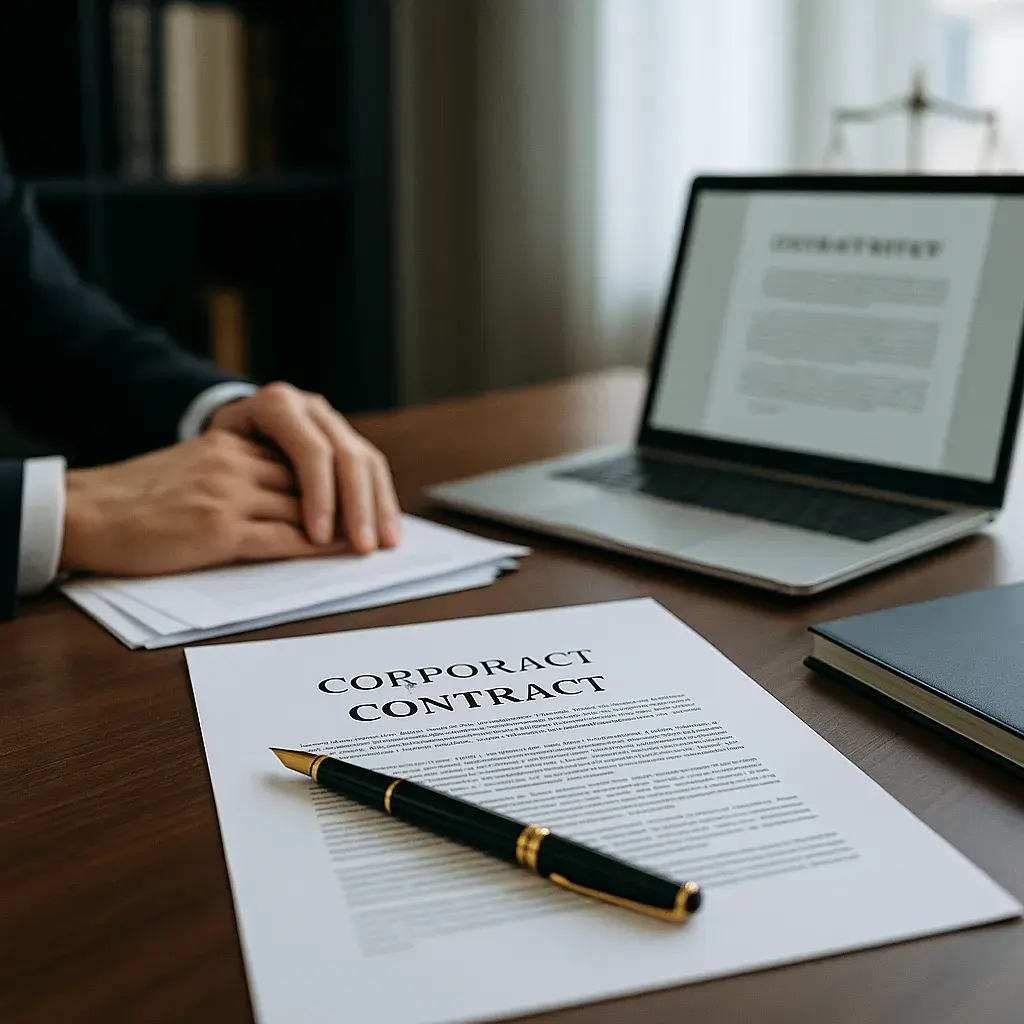
Financial institutions litigation encompasses disputes involving banks, investment firms, insurance companies, and other financial entities where investors or counterparties seek recovery for alleged breaches, fraud, regulatory violations, or contractual failures. As an investor navigating these disputes, you face a complex intersection of contract law, securities regulation, and banking statutes that govern how claims proceed and what remedies may be available. The litigation landscape differs fundamentally from consumer complaints, requiring an understanding of fiduciary duties, disclosure obligations, and the procedural mechanisms courts use to evaluate financial harm. Strategic timing and documentation of your losses before key events (account closures, liquidations, regulatory actions) can materially affect what evidence a court may later consider.
続きを読む
