Юридическая информация

Signing Authority and Transactional Compliance Closing Tactic
Transactional compliance means structuring business deals, contracts, and operational changes to meet legal requirements before disputes arise, not after.Corporations face compliance obligations that span regulatory filings, contract review, disclosure duties, and internal approvals long before a transaction closes. The difference between a clean deal and one that triggers regulatory scrutiny, contract disputes, or post-closing liability often hinges on how thoroughly compliance was embedded into the deal structure from the outset. This article examines the core compliance checkpoints, documentation practices, and forward-looking strategies that reduce deal risk and protect corporate interests.
Читать далее

How Do Structured Instruments Allocate Risk Across Tranches?
Structured instruments are engineered financial securities designed to distribute risk and return across multiple investor classes by pooling underlying assets and dividing cash flows into tranches with different priority levels. For consumers considering investment in these products, understanding their mechanics is critical because the layered structure obscures actual underlying risk. Structured instruments bundle mortgages, loans, or other receivables and slice the resulting cash flows into senior, mezzanine, and subordinated tranches, each bearing different credit risk and return profiles. Transparency around tranche position, asset quality, and default scenarios directly affects whether an investment aligns with your financial goals and risk tolerance.
Читать далее

How a Civil Rights Lawyer Strengthens Your Legal Defense Strategy
Civil rights defense cases turn on the intersection of constitutional protections, federal and state statutory frameworks, and the evidentiary standards courts apply when evaluating whether state action violated a petitioner's legally protected interests. As counsel, I often advise petitioners that understanding the legal standard, not just the facts, shapes which claims survive early dismissal and which require fact development at trial. Civil rights claims under federal law (42 U.S.C. § 1983) require proof that a state actor, acting under color of law, violated a constitutional or federally protected right, and that the violation caused injury. New York State law independently protects certain rights through Human Rights Law and common law tort theories, each with distinct procedural pathways and burdens of proof.
Читать далее

How a Personal Injury Law Firm in Bronx Proves Elements of Fraud
A personal injury law firm in Bronx helps victims establish elements of fraud when deceptive acts worsen financial and bodily harm. New York legal standards require proving misrepresentation, scienter, reliance, and actual losses.
Читать далее
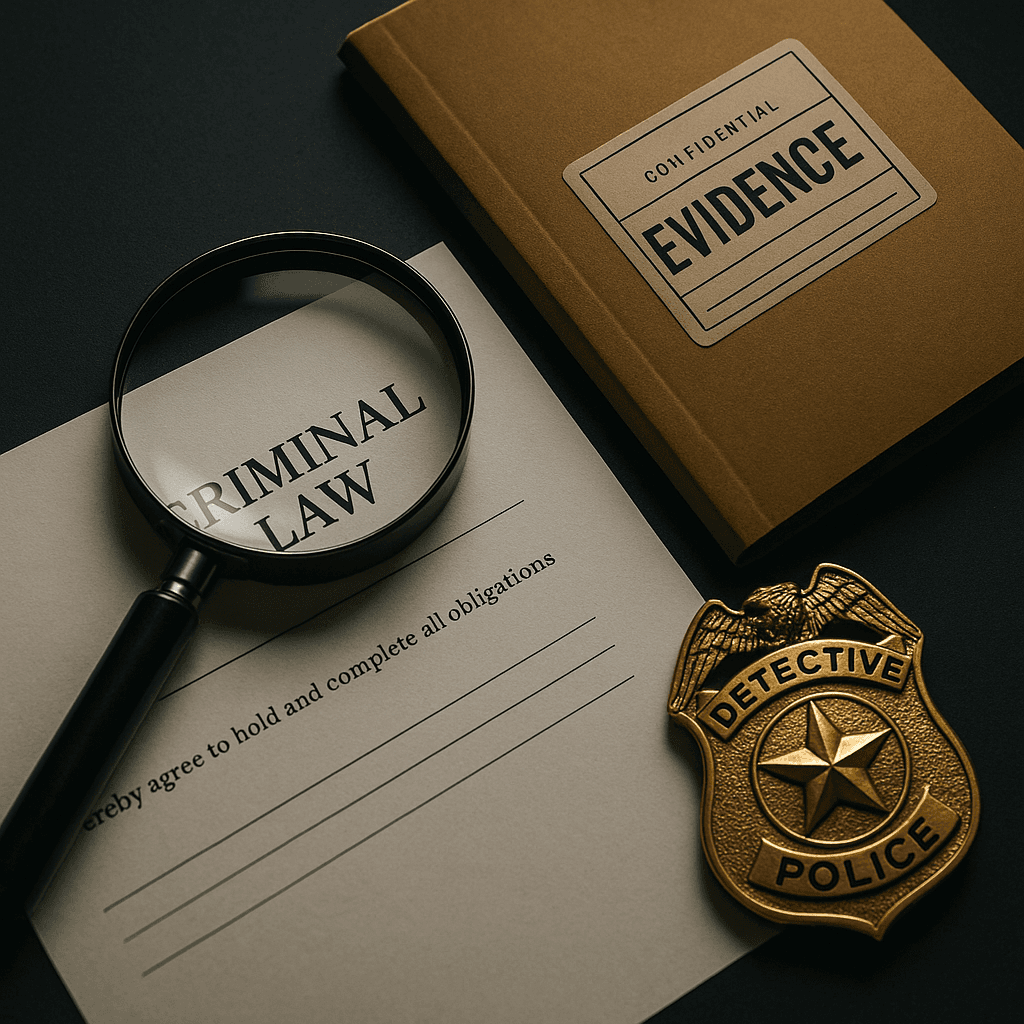
Title Transfer Problems in New York? Three Things a Title Transfer Attorney Handles First
Three Key Title Transfer Attorney Insights From New York Lawyer:• A title search must uncover liens, judgments, and ownership defects before the transfer moves forward.• Deeds, tax forms, and recording documents must be prepared correctly to avoid delays and legal disputes.• Inheritance, gift, and multi-party transfers often require added legal review because tax and ownership issues can change the outcome.Property transfers can look simple on paper but become risky when ownership records, filing errors, or unresolved claims surface late in the process. That is often where legal strategy matters most. Early review helps determine whether the title is actually transferable, whether the documents match the transaction, and whether hidden issues could affect future ownership rights.
Читать далее

Industrial Intellectual Property Disputes in Seven Common Scenarios
Industrial intellectual property disputes turn on the rights involved, ownership, and evidence of unauthorized use. A former employee takes process files, a supplier reuses drawings, or a development partner claims ownership. These seven scenarios show which facts support a claim, which evidence matters, and how federal IP law and applicable state law shape the available remedies.
Читать далее