




Юридическая информация

Open Source Software Compliance and Risk Management Strategies
Open Source Software Compliance requires organizations to manage license obligations, source code disclosure requirements, and governance controls that reduce intellectual property and enforcement risks. Open Source Software Compliance involves identifying open source components, evaluating license requirements, maintaining Software Bills of Materials (SBOMs), and documenting compliance throughout the software lifecycle. Effective Open Source Software Compliance helps organizations assess GPL, AGPL, MIT, and Apache license obligations before software distribution triggers disclosure duties or enforcement actions. Particular attention should be given to copyleft licenses because their requirements may extend to derivative works or network-accessible software. In technology due diligence reviews, I frequently see compliance issues arise from undocumented dependencies and incomplete license inventories rather than intentional misconduct.
Читать далее

Reviewing 3 Key Legal Aspects of Retail Installment Sales
Retail installment sales transactions require compliance with disclosure laws, default procedures, repossession standards, assignment obligations, and fair lending regulations. Retail installment sales create legal obligations for retailers, lenders, and assignees involved in consumer credit transactions. Retail installment sales contracts must comply with federal disclosure requirements, state consumer protection laws, and repossession regulations. Because retail installment sales frequently involve payment defaults, contract assignments, and collection activity, businesses should evaluate compliance risks before enforcing creditor remedies or acquiring installment portfolios.
Читать далее

Criminal Defense Attorney NYC: Strategic Legal Representation
Criminal defense attorney NYC services protect your rights in New York courts against felony and misdemeanor charges. Facing criminal allegations in New York requires immediate and strategic legal intervention. Our defense team analyzes prosecution evidence, asserts constitutional protections, and builds strong defense strategies across Manhattan, Brooklyn, and outer borough courts to achieve optimal case outcomes.
Читать далее
Subrogation and Reimbursement Rights, Procedures, and Recovery
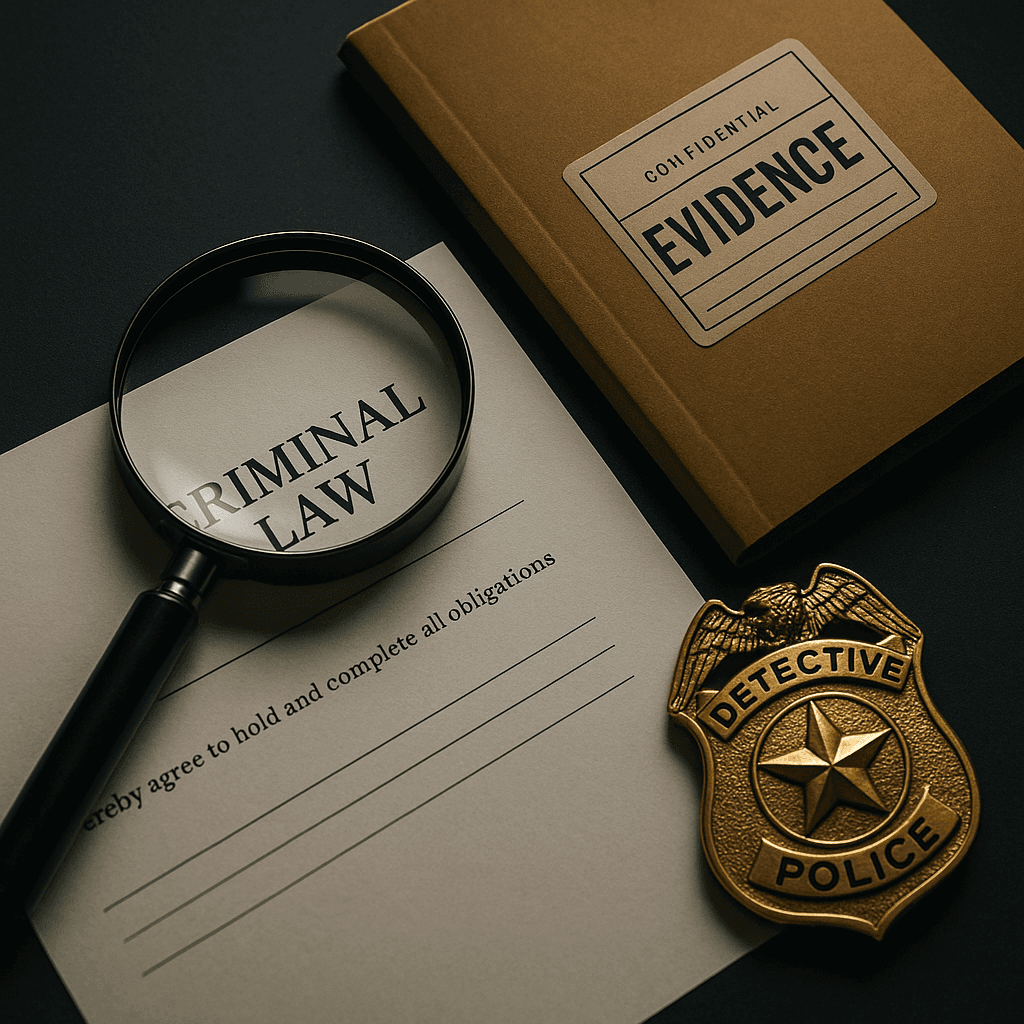
Subrogation and Reimbursement explains how recovery rights, insurer claims, and reimbursement obligations are handled under New York law. Learn the key legal procedures. Subrogation and Reimbursement determines when insurers, consumers, and manufacturers may recover losses after payment has been made. From my experience, understanding Subrogation and Reimbursement early helps prevent duplicate recovery, settlement conflicts, and procedural errors. This article explains how Subrogation and Reimbursement applies to Lemon Law claims, reimbursement rights, insurer recovery, and settlement coordination.
Читать далее

How Does Intellectual Property Management Strengthen Business Value?
Learn how intellectual property management helps businesses organize, protect, commercialize, and maximize the value of intellectual property assets. Intellectual property management is the process of identifying, organizing, protecting, and maximizing the value of a company's intellectual property assets. Effective intellectual property management supports innovation, strengthens competitive advantages, and helps businesses make informed decisions about licensing, commercialization, and risk management. Understanding intellectual property management enables businesses to maintain valuable intellectual property assets while supporting sustainable long-term growth.
Читать далее

Real Estate Agent Misconduct: Legal Violations and Whistleblower Protections
New York real estate is a tightly regulated industry and licensed agents must comply with strict laws governing their conduct to ensure market transparency and consumer safety. Any violation whether through unauthorized brokerage misleading advertising or price fixing can lead to serious criminal and administrative penalties that threaten a professional career. This article provides an in depth look into the various types of misconduct how to report violations and the legal consequences agents may face under New York law. Understanding the regulatory landscape is essential for both industry professionals and consumers seeking to navigate property transactions safely.
Читать далее
