




Юридическая информация

Damages Award Rights and How to Manage Your Compensation
Termination of legal rights, contracts, or claims often requires analysis of statutory requirements, notice procedures, available remedies, and litigation risks. Termination of legal rights, contractual obligations, or claims can significantly affect compensation, liability, and dispute outcomes. Understanding termination of agreements or legal claims requires careful review of governing statutes, notice requirements, procedural rules, and available defenses. In disputes involving compensation, courts evaluate whether termination of duties, contracts, or legal relationships was lawful, how damages are calculated, and what evidence supports recovery. Parties should assess documentation, mitigation obligations, and legal strategies before pursuing or challenging compensation claims.
Читать далее

How Can Enforcement of Judgments Assist in Recovering Assets?
Judgment enforcement is a critical legal process for creditors seeking to collect debts from a debtor who has failed to comply with a court-ordered payment. This procedure is particularly vital when the debtor’s assets are unknown or hidden, as it provides a structured framework to uncover them. It allows a creditor to legally compel the disclosure of the debtor's financial and property holdings, paving the way for collection actions like levies and garnishments. Navigating this process effectively requires a deep understanding of New York's Civil Practice Law and Rules (CPLR) and the various tools available to creditors.
Читать далее

Cctv Evidence Retrieval with Lawyer
In New York, surveillance footage often serves as critical evidence across civil and criminal proceedings, playing a pivotal role in establishing facts and confirming timelines. This comprehensive article outlines the essential steps and legal frameworks for how to lawfully obtain CCTV footage, when immediate action is necessary to prevent deletion, the use of preservation motions, and the special legal protocols in time-sensitive missing persons investigations. Understanding these procedures is crucial for legal teams and individuals seeking to utilize video evidence effectively.
Читать далее

Protect Your Corporate Rights with a Financial Services Litigation Attorney
Financial services litigation exposes corporations to complex disputes involving contracts, regulatory compliance, fiduciary duties, and statutory claims that require specialized legal strategy from the outset. When a corporation faces a financial services dispute, the stakes extend beyond the immediate claim to include regulatory scrutiny, reputational risk, and operational continuity. The litigation landscape in this sector involves multiple layers of exposure: contract interpretation under state and federal law, potential securities violations, consumer protection claims, and administrative proceedings that run parallel to court litigation. Understanding the scope of representation and the procedural forks available helps corporate clients make informed decisions about case strategy, settlement posture, and resource allocation.
Читать далее
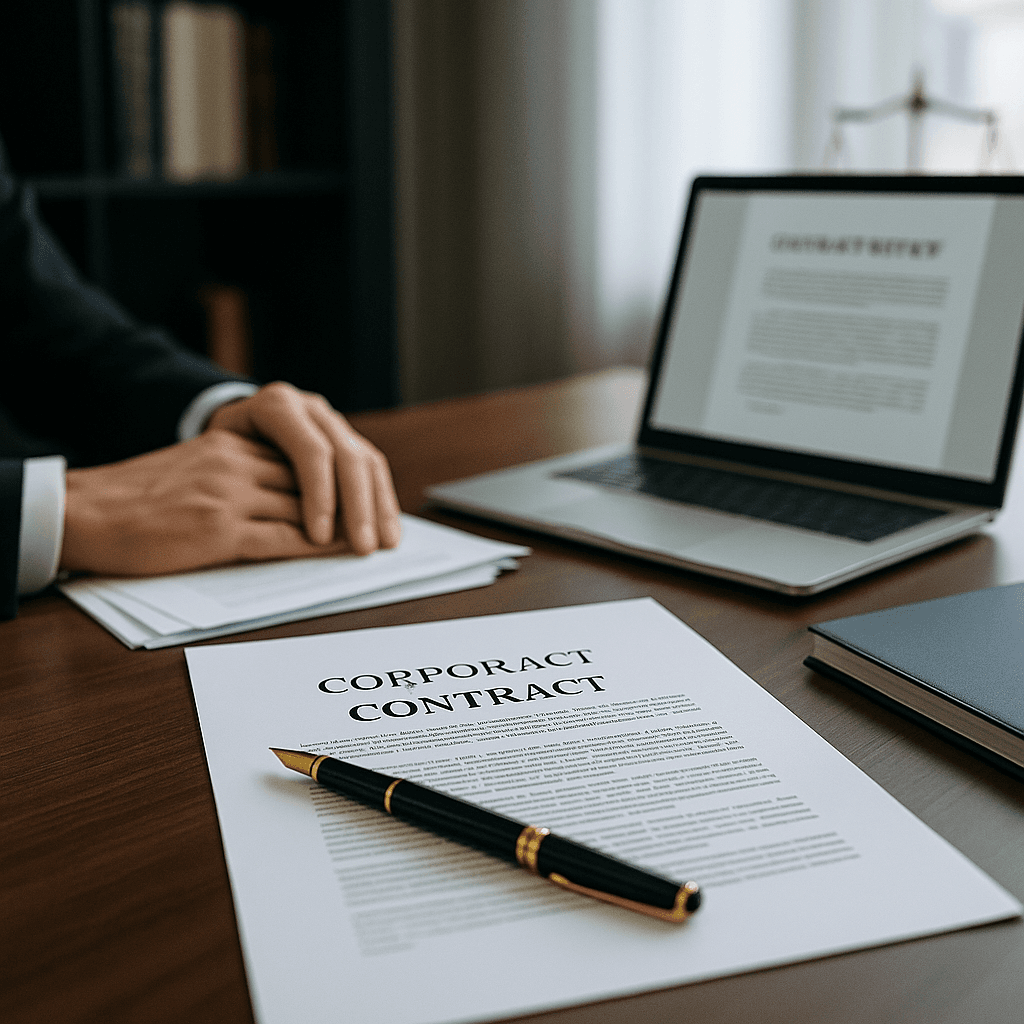
How Does a Compensation Payout Work in New York?
Learn how compensation payouts are calculated in New York, including economic damages and state fault rules. Evaluating your legal award requires reviewing financial losses and local comparative fault rules.
Читать далее

Asset Search: a Guide to Post-Judgment Discovery
The process of a Washington, D.C. .sset search is a crucial step for a judgment creditor seeking to collect on a monetary judgment. It allows the creditor to uncover a debtor's assets when they are not voluntarily disclosed. This procedure is legally governed by the D.C. Superior Court Rules of Civil Procedure and is designed to provide creditors with the necessary tools to identify and seize assets to satisfy a debt. Successfully navigating this process is often the key to converting a favorable court ruling into an actual financial recovery. The search for a debtor's hidden assets is a critical phase of litigation, and understanding the legal and procedural requirements of an asset search in Washington, D.C. .s vital for any creditor aiming to enforce a judgment effectively.
Читать далее
