Юридическая информация

How Much Is a Bankruptcy Lawyer in California from Intake to Discharge
How much is a bankruptcy lawyer in California? No statute fixes the fee; cost varies by chapter, records, and added work through discharge. No statute sets a statewide bankruptcy attorney rate. Federal law controls procedure and fee disclosure, while state exemption rules can shape pre-filing work. A routine Chapter 7 may involve a narrower engagement than a Chapter 13 plan or contested case. The fee agreement should state what the quote includes.
Читать далее

How a California Workplace Employment Discrimination Lawyer Helps
A California workplace employment discrimination lawyer evaluates claims under FEHA and Title VII to establish the correct filing jurisdiction. State laws often provide broader protected classes and longer statutes of limitations than federal tracks. Filing dual claims with the Civil Rights Department and the EEOC requires strict adherence to administrative deadlines.
Читать далее

Felony DUI Attorney in California Reviews Injury and Death Charges
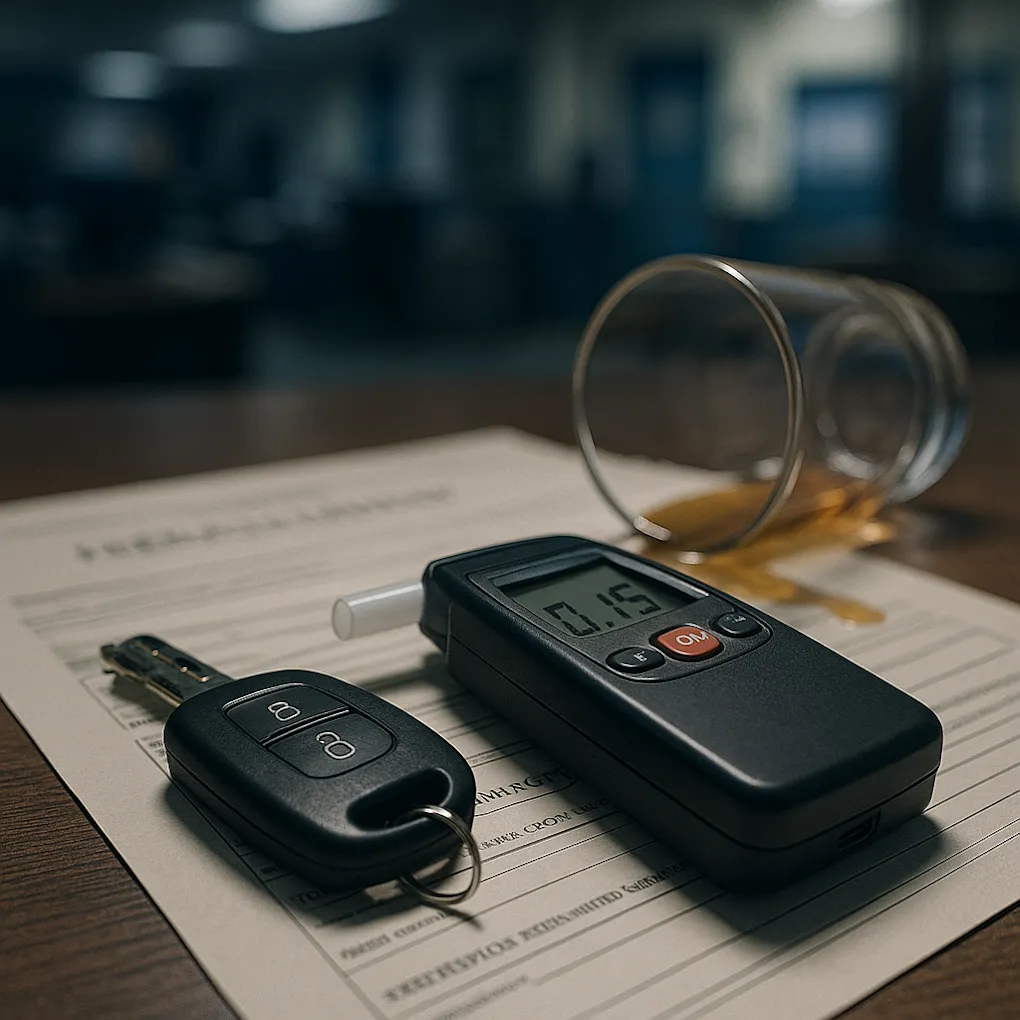
A felony DUI attorney in California can assess injury or death charges, causation, chemical test evidence, and early defense deadlines. An injury or fatal crash changes the legal questions in a DUI case. Early review should separate intoxication evidence from causation, crash evidence, suppression issues, and the offense alleged.
Читать далее
When California Political Reform Act Filing Requirements Apply
California Political Reform Act filing rules depend on filer status, political activity, and the transaction or threshold that triggers reporting. The same activity can produce different filing duties depending on who receives or spends the money and how it is used. Candidates, recipient committees, major donors, independent expenditure filers, and lobbying entities should identify the applicable legal category before selecting a form or reporting schedule.
Читать далее

Copyright Infringement Litigation Attorney in Manhattan Reviews Claims
A copyright infringement litigation attorney in Manhattan assesses registration, proof, injunctions, damages, and litigation costs under federal law. Federal copyright infringement claims belong in federal court, and registration timing may affect filing and remedies. A case review compares ownership evidence, protected expression, copying, urgency, and likely recovery. That review helps a business decide whether to seek an injunction, negotiate, file suit, or defend the claim.
Читать далее

International IP Portfolio Acquisition Advisory Attorney in Manhattan
The most common title defect in an IP portfolio sits at the origin rather than in the later assignments. Stanford v. Roche, 563 U.S. 776 (2011), confirmed that a promise to assign does not itself transfer title, so an inventor agreement using “agrees to assign” can leave rights with the inventor; in Germany, rights remain with an employee inventor unless the employer followed the statutory procedure. A clean chain of corporate assignments does not cure either gap. Security interests are recorded in different places depending on the asset, which is why they go undiscovered. A security interest in a patent or trademark is perfected by a UCC-1 filing, but one in a registered copyright must be recorded with the Copyright Office. A search of UCC filings alone will not surface a copyright lien. Transfer effectiveness also varies by jurisdiction. A written assignment suffices in the United States, where recordation with the USPTO governs priority against later purchasers rather than validity (35 U.S.C. § 261), while several countries require the national register to be updated before the assignee can enforce, and some require government approval before the transfer takes effect. Where a foreign buyer is acquiring patents held by a US business, CFIUS jurisdiction may also attach — a condition precedent rather than post-closing administration. Legal strategies must navigate regulatory frameworks and export controls to preserve market exclusivity during corporate asset transfers.
Читать далее