Юридическая информация

What Is Criminal Sentencing and How Does It Work in New York?
Criminal sentencing is the stage where a New York court sets your punishment after a conviction, weighing the offense, your record, and mitigating factors. If you or a family member is facing sentencing in New York, the outcome is rarely fixed in advance. A judge works within statutory ranges, yet the final sentence also turns on aggravating and mitigating factors, your criminal history, and any victim statements. This guide explains how the process works, the penalties on the table, and where a defense attorney can argue for a lighter outcome.
Читать далее

What Are the Core Corporate Governance Matters in New York?
Corporate governance frameworks determine how a corporation operates internally, allocates authority among shareholders and directors, and manages risk through transparent decision-making structures. Governance issues in New York arise when a corporation's organizational practices diverge from statutory requirements, fiduciary duties conflict with operational realities, or stakeholder interests compete without clear procedural resolution. Understanding the legal scaffolding that supports governance decisions helps corporations avoid disputes that consume capital and management attention. From a practitioner's perspective, many governance disputes originate in ambiguous delegation, inadequate documentation of board action, or misaligned expectations about shareholder rights and director authority.
Читать далее
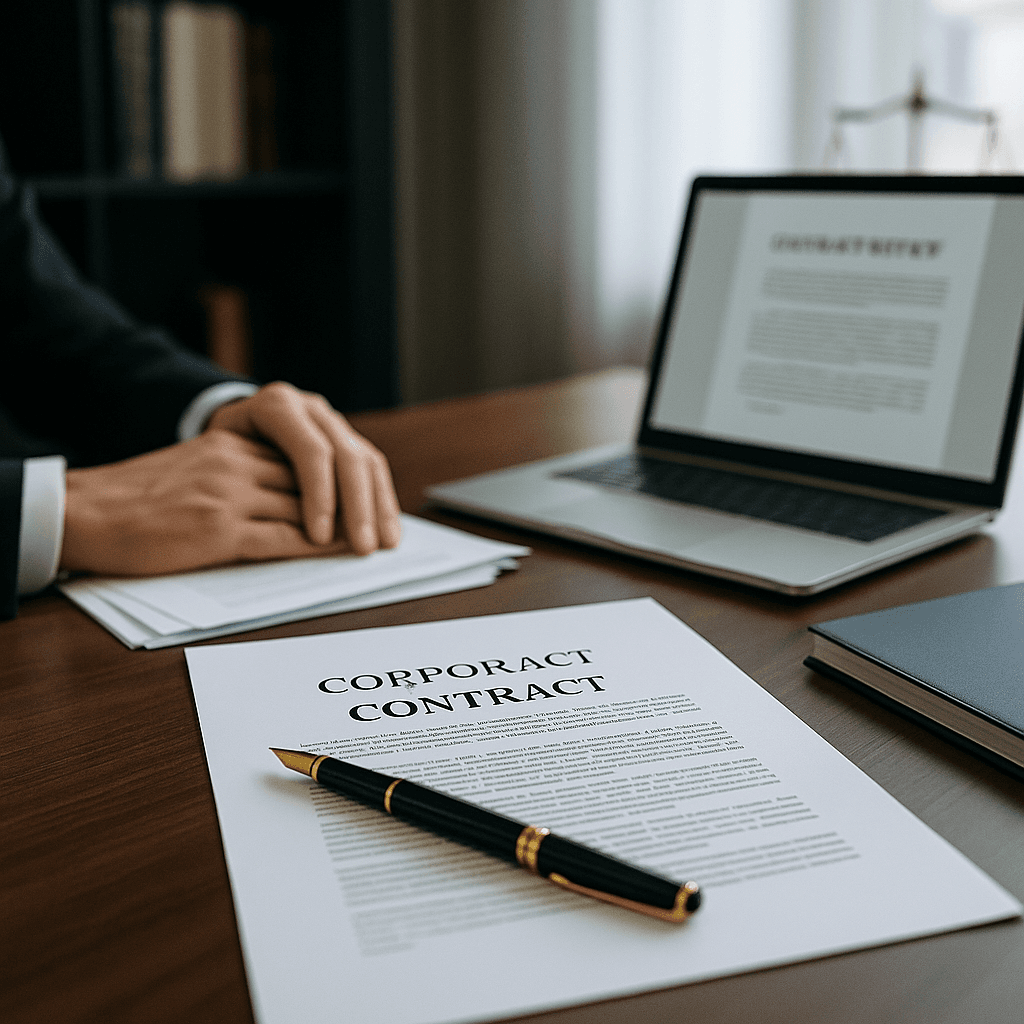
Employment Law Breach
In New York, an employment law breach occurs when an employer violates state or federal workplace regulations, including the New York Labor Law and the Fair Labor Standards Act (FLSA). These comprehensive laws are designed to protect essential employee rights regarding wages, working hours, contracts, workplace conditions, and protections against retaliation for asserting these rights. Understanding these employer obligations is crucial, as it helps employees recognize potential violations and take proper legal or administrative action to seek resolution and compensation.
Читать далее

Legal Implications of Deepfake Cases
Sexual communication with minors through digital platforms and the rise of AI-generated sexual content involving minors, often referred to as deepfake cases, are prosecuted with severity in Washington D.C. This article explains what constitutes a criminal act, the legal requirements for prosecution, and potential sentencing under the D.C. Code, particularly focusing on the intersection of digital exploitation and the serious nature of deepfake cases. Legal intervention is often necessary to navigate the complex digital nature of these serious offenses. This is a critical area of law where technology and criminal justice intersect.
Читать далее

Why Corporations Need Product Liability Advice?
Product liability claims expose corporations to significant operational, financial, and reputational risk, and the legal framework governing these claims varies substantially depending on the product category, the nature of the defect alleged, and the jurisdiction where the injury occurred. Corporations face three primary liability theories: design defect (the product is inherently unsafe even when manufactured as intended), manufacturing defect (the product deviates from its intended design), and failure to warn (inadequate instructions or safety labeling). Understanding which theory applies to your product and how courts in key markets evaluate evidence of defect, causation, and foreseeability is essential to managing exposure early and building defensible records before litigation arises.
Читать далее

Labor Standards Violations
In Washington D.C., labor standards violations occur when employers fail to comply with laws designed to protect employee rights regarding wages, working hours, safety, and fair treatment. These protections are primarily set out under the D.C. Code, federal labor laws such as the Fair Labor Standards Act (FLSA), and other specific workplace regulations. Given the robust legal framework, employees have multiple avenues for redress when their rights are compromised, making it essential for both parties to understand the standards.
Читать далее