




Юридическая информация

How Can a Corporation Defend against a Consumer Fraud Lawsuit Involving Food Products?
Defending a consumer fraud claim in the food industry requires understanding the distinct legal standards that distinguish actionable deception from permissible marketing, and recognizing how courts evaluate product labeling, ingredient disclosure, and advertising representations under both state and federal law. Food product litigation typically hinges on whether a reasonable consumer would be misled by specific label claims, ingredient lists, or marketing statements. From a practitioner's perspective, the early phase of such disputes centers on documentary evidence: product formulations, labeling history, testing records, and the precise language used in advertising. Courts in New York and federal venues apply a multi-factor test to determine whether a representation is materially deceptive, weighing the specificity of the claim, the prominence of any qualifying language, and whether the product actually delivers what the label or advertisement suggests.
Читать далее

Embezzlement of Public Funds
The embezzlement of public funds in Washington D.C. .s recognized as a serious white-collar crime, demanding substantial legal attention. This offense occurs when an individual entrusted with managing or overseeing shared financial resources unlawfully uses such funds for personal gain, thereby violating a position of trust. This offense, especially when committed by public employees or corporate officers, is punishable under strict federal and District laws, emphasizing the gravity of embezzlement of public funds against the public interest.
Читать далее
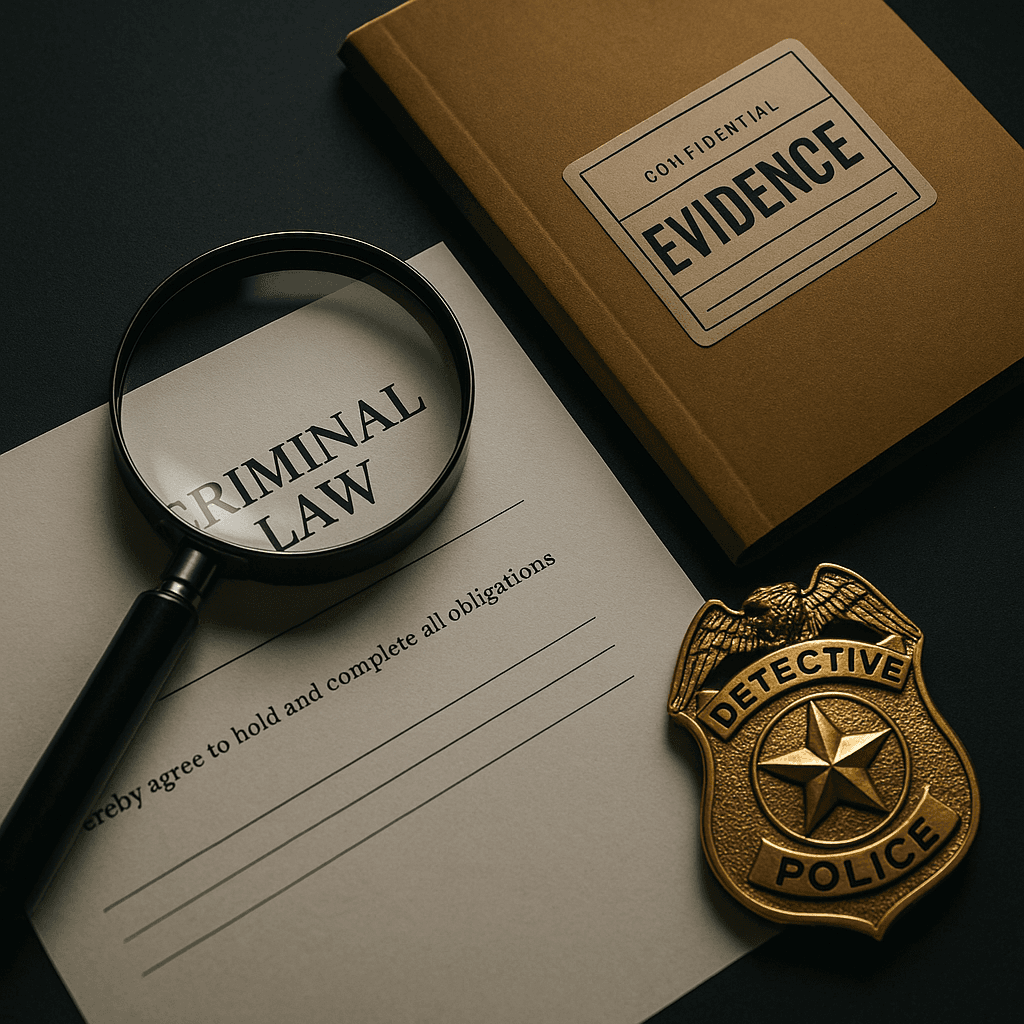
What Evidence Triggers Federal Tax Crime Prosecution
Federal tax fraud and tax evasion charges represent distinct criminal offenses that carry severe penalties for corporations, including substantial fines, entity dissolution, and imprisonment of responsible officers. Tax evasion under 26 U.S.C. Section 7201 requires proof that a corporation willfully attempted to evade or defeat taxes owed, while tax fraud under 18 U.S.C. Section 1001 involves false statements or documents submitted to the Internal Revenue Service. The distinction matters because courts apply different evidentiary standards, and the IRS Criminal Investigation Division coordinates with the Department of Justice to pursue cases involving sophisticated schemes, offshore accounts, or patterns of underreporting income across multiple years.
Читать далее

Legal Response to Stalking Penalties
Three Key Stalking Penalties Points From Lawyer Attorney: New York Penal Law Section 120.45, misdemeanor up to one year jail, restraining order available Stalking charges carry serious criminal consequences that extend far beyond the initial arrest.Understanding the legal framework, potential penalties, and defense strategies is essential for anyone facing these allegations or seeking to protect themselves from threatening behavior. This article examines how New York courts approach stalking cases and what steps you should take early in the process.
Читать далее
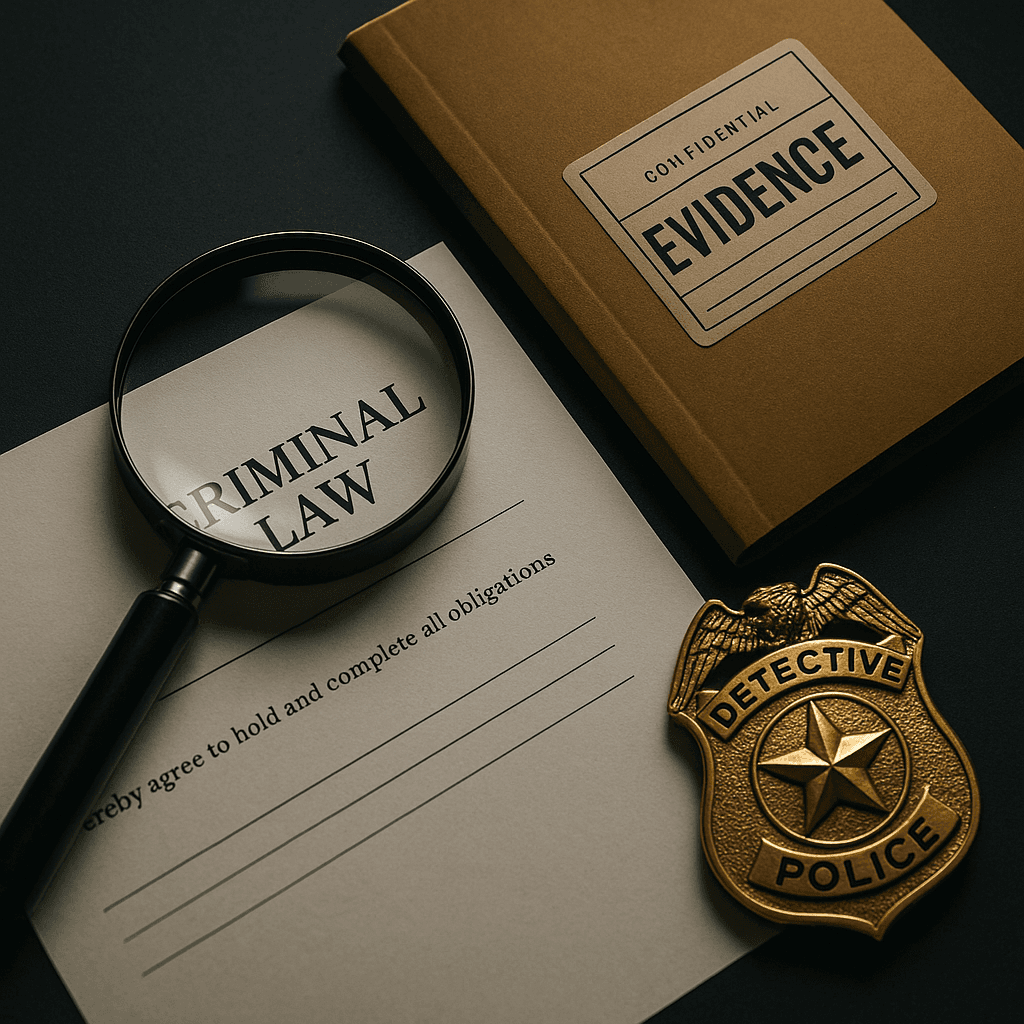
How Can Corporations Manage Data Privacy Compliance?
Data privacy compliance is no longer optional for corporations, and the regulatory landscape continues to expand across federal, state, and international jurisdictions. For most companies, compliance obligations flow from multiple sources: the Health Insurance Portability and Accountability Act (HIPAA) for health data, the Gramm-Leach-Bliley Act (GLBA) for financial information, state privacy statutes such as the New York SHIELD Act, and the California Consumer Privacy Act (CCPA) and similar state regimes that now govern consumer data collection and use. Failure to implement adequate safeguards or respond to breaches within statutory timeframes creates exposure to regulatory enforcement, civil litigation, and reputational harm. From a practitioner's perspective, the most frequent compliance gaps occur not in policy design but in operational execution: systems that fail to track data flows, inadequate vendor management, and delayed breach notification protocols.
Читать далее

What Happens after Charges Are Dropped: Your NY Record and Rights
After your charges are dropped in New York, the case is not automatically erased, but a favorable termination is typically sealed under CPL 160.50. Sealing limits who can see the arrest, but it is not the same as expungement, and a few steps may still be needed to protect your job search and housing applications. This guide covers what a dismissed charge means for your record, when sealing happens, and how to restore your rights in New York.
Читать далее
