




Юридическая информация

Why Does Your Corporation Need an Advertising Lawyer?
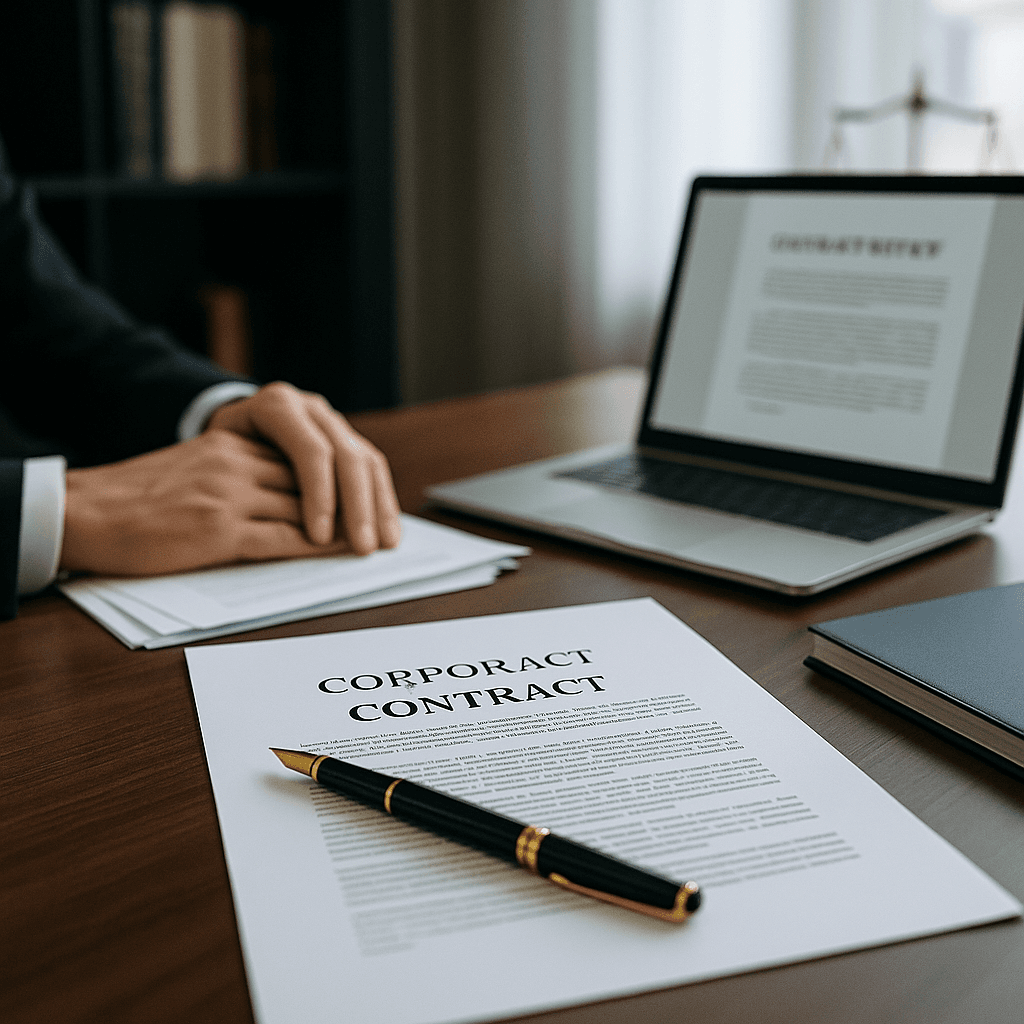
Advertising lawyers help corporations navigate the complex intersection of federal, state, and local regulations that govern commercial speech, brand claims, and consumer protection standards. Regulatory agencies, such as the Federal Trade Commission, state attorneys general, and industry-specific bodies, scrutinize advertising claims for truthfulness, substantiation, and fair competition compliance. Corporations face exposure to civil penalties, corrective advertising orders, and reputational harm when claims lack adequate support or mislead consumers. Understanding the legal framework and procedural risks early allows in-house teams and business leaders to embed compliance into campaign development rather than react to enforcement actions after launch.
Читать далее
Punishment for False Accusation in New York: What You Need to Know
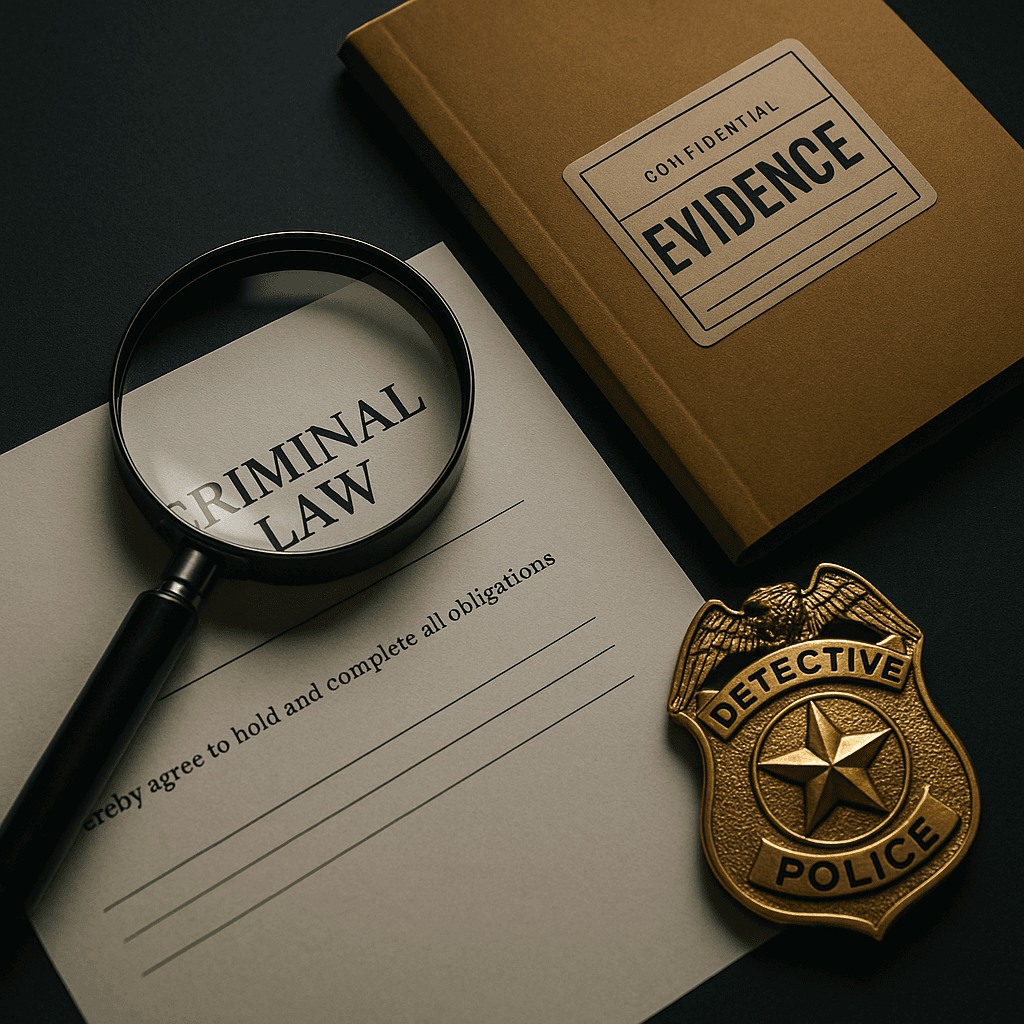
Punishment for false accusation in New York ranges from misdemeanor fines to 7-year felony sentences. Learn how intent, harm, and voluntary confession affect your sentencing outcome. Punishment for false accusation in New York is not a one-size-fits-all outcome. The same act of filing a false report can result in probation or years in prison depending on factors that most people never anticipate until it is too late. Under New York Penal Law §240.60, punishment for false accusation reaches Class D felony level when the false report triggers serious legal consequences for the target. What separates a misdemeanor outcome from a felony is largely a question of intent, the downstream harm caused, and whether the accused cooperated before charges were finalized. In my experience, early legal counsel is the single factor that most consistently contributes to better sentencing outcomes in these cases.
Читать далее
What Are the Core Legal Standards for Advertising Compliance in New York?
Advertising law in the United States establishes a framework of federal and state statutes that govern claims, disclosures, and marketing practices, with particular emphasis on preventing deception and protecting consumer welfare. For corporations, understanding these standards is critical because violations can trigger regulatory enforcement, civil litigation, and reputational harm. The Federal Trade Commission (FTC) enforces the primary federal standard, which prohibits unfair or deceptive acts or practices in commerce. State attorneys general and private plaintiffs also bring claims under state consumer protection laws, which often mirror or exceed federal requirements. Compliance requires more than good intentions; it demands that advertising claims be truthful, substantiated, and not misleading by omission or implication.
Читать далее

What Is the Penalty for False Accusation in Washington, D.C.?
False accusation in Washington, D.C. .arries up to 10 years in prison and a $25,000 fine, and this guide explains the conviction elements, sentencing factors, and key defenses under D.C. Code § 22-2405. In Washington, D.C., making a false accusation is not a minor offense, because it is a felony that can carry up to 10 years in prison and a $25,000 fine under D.C. Code § 22-2405. Many people do not realize that a false accusation becomes legally complete the moment a fabricated report reaches any government official, regardless of whether an arrest or investigation follows. That is why understanding exactly what the prosecution must prove, and what defenses are available, is so important for anyone caught up in a false accusation case in the District. In this article, I will walk you through the legal distinctions, conviction requirements, sentencing guidelines, and the defense strategies that can make the difference between a conviction and a dismissal.
Читать далее

How Can Corporations Navigate Activism Defense in a Proxy Contest?
Proxy contests present a distinct legal and operational challenge for corporations seeking to defend against activist shareholder campaigns, requiring coordinated strategies across securities law, corporate governance, and disclosure obligations. When an activist investor or group accumulates shares and launches a proxy fight, the corporation faces immediate pressure to communicate its business case, manage shareholder relations, and comply with Securities and Exchange Commission (SEC) rules governing proxy solicitation and disclosure. The stakes extend beyond the board election itself, touching on long-term strategy, investor confidence, and the corporation's ability to execute its stated business plan. Understanding the legal framework and procedural timeline is essential for corporate counsel and management to mount an effective and compliant defense.
Читать далее

Cell Phone Fraud on Your Account? Rights, Carrier Liability, and Next Steps
If your phone number was hijacked, unfamiliar charges appeared on your bill, or your accounts were accessed without your permission, cell phone fraud likely occurred, and your carrier may bear legal responsibility for it. Cell phone fraud includes SIM swapping, premium service scams, and mobile phishing, with distinct legal remedies under federal and state law. The FCC, TCPA, and state consumer protection laws give you the right to dispute charges, hold negligent carriers accountable, and pursue recovery if cell phone fraud has affected your finances or credit.
Читать далее
