




Юридическая информация

How to Fight a False Accusation in New York and Prove Your Innocence
Proving innocence after a false accusation in New York requires early evidence, defense counsel, and timely wrongful prosecution claims under New York law. A false accusation in New York can unravel your career, your relationships, and your future before a single day in court. I have seen clients walk into my office in complete shock, certain the truth would speak for itself, only to discover how quickly a false accusation gains legal momentum without an immediate, strategic response. Proving innocence after a false accusation in New York requires more than telling your side of the story, because it demands documented evidence, skilled advocacy, and early action before critical records disappear. This guide walks you through every stage from your first encounter with law enforcement through post-acquittal remedies, so you know exactly what proving your innocence looks like under New York law.
Читать далее

Why Does Your Company Need Dedicated Bribery Legal Advice?
Bribery liability for corporations stems from both direct corporate conduct and the actions of employees or agents, creating distinct compliance and criminal exposure that requires proactive legal strategy. Federal and New York law impose criminal and civil liability on corporations for bribery of government officials, foreign officials under the Foreign Corrupt Practices Act, and private parties. Corporate bribery exposure differs from individual liability because corporations face organizational penalties, debarment from government contracts, and reputational harm alongside potential criminal conviction. Understanding the legal framework, identifying high-risk transactions, and establishing robust compliance protocols are critical to protecting the organization from regulatory investigation and prosecution.
Читать далее

Criminal Case Legal Process, Rights, and Defense Explained
Understand how a criminal case begins, progresses, and is resolved. Learn the legal process, defendants' rights, defense options, and key criminal procedures. Every criminal case follows established legal procedures, but each criminal case presents different facts, evidence, and legal issues. Understanding how a criminal case moves from investigation through prosecution and trial helps individuals recognize their legal rights, evaluate possible defense strategies, and better understand how criminal courts reach decisions.
Читать далее

What Is Bribery Due Diligence and Why Does It Matter for Corporations?
Bribery due diligence is the systematic process by which organizations identify, assess, and mitigate the risk that their business activities, transactions, or relationships may expose them to liability under anti-corruption laws, such as the Foreign Corrupt Practices Act and New York Penal Law. Corporations face criminal and civil exposure if they fail to detect or prevent corrupt payments by employees, agents, or business partners. Due diligence is not a one-time compliance box but an ongoing framework that shapes how you evaluate counterparties, structure transactions, and monitor conduct across jurisdictions. The stakes are substantial: enforcement agencies pursue not only individual wrongdoers but also the organizations that tolerate or ignore corrupt behavior.
Читать далее

What Is a Criminal Defense?
3 Key Criminal Defense Points From a New York Attorney:Right to counsel guaranteed, burden of proof on prosecution, discovery rules protect defendantCriminal defense is the legal strategy and representation a defendant receives when facing charges in criminal court. In New York and federal jurisdictions, the right to mount a vigorous defense is foundational to the criminal justice system. Whether you face misdemeanor or felony charges, understanding how defense counsel operates, what protections exist under law, and when to engage representation can significantly affect the trajectory of your case.
Читать далее
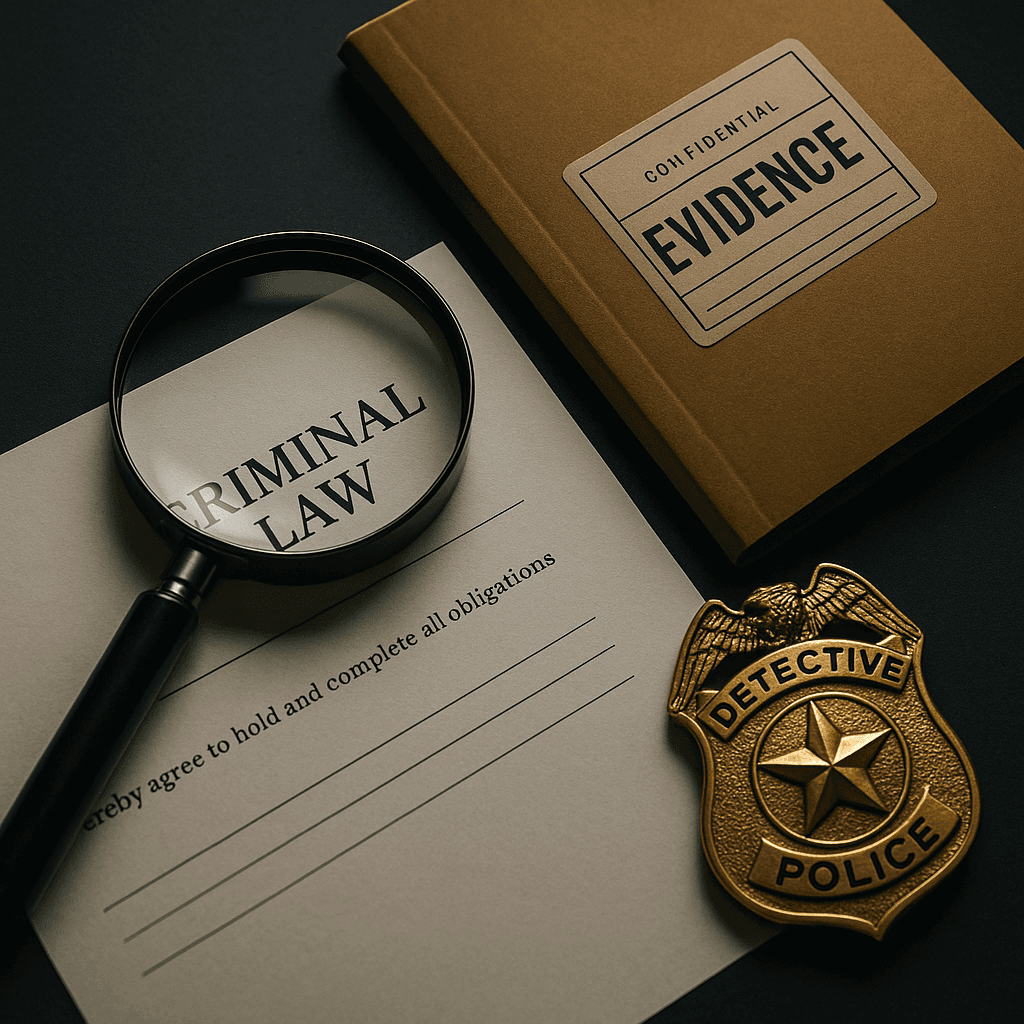
Bribery Compliance Procedures and Effective Risk Management
Bribery compliance is not a peripheral concern for corporations but a structural legal obligation that directly affects criminal liability, regulatory standing, and operational risk. Federal and state anti-bribery statutes impose liability on corporations for the corrupt conduct of officers, employees, and agents, even when senior management does not authorize or know of the misconduct. The legal framework distinguishes between payments to government officials (criminal bribery) and payments to private parties (commercial bribery), each carrying distinct penalties and enforcement mechanisms. Understanding the scope of these obligations, the factors courts examine when assessing corporate knowledge and intent, and the procedural pathways for investigation and enforcement is essential for any organization seeking to avoid criminal exposure and reputational harm.
Читать далее
