Юридическая информация

Corporate Embezzlement Laws
Corporate embezzlement requires proof of entrusted authority, unauthorized conversion, criminal intent, and may trigger D.C. .r federal prosecution. Corporate embezzlement occurs when a trusted employee or corporate officer intentionally converts company assets for personal benefit. Corporate embezzlement cases require proof of a fiduciary relationship, unauthorized conversion, criminal intent, and financial evidence under Washington D.C. .aw, while significant corporate embezzlement schemes may also trigger federal jurisdiction. Understanding these legal standards helps businesses prevent embezzlement, preserve evidence, and respond effectively to investigations.
Читать далее

Why a Sustainability Attorney Can Protect Corporate Interests
A sustainability attorney advises corporations on integrating environmental, social, and governance (ESG) standards into business operations, regulatory compliance, and stakeholder reporting while managing legal exposure from climate, labor, and disclosure obligations. Corporate sustainability law spans statutory frameworks governing emissions reporting, renewable energy procurement, supply chain transparency, and board-level governance disclosures. Failure to align business practices with evolving ESG regulations can result in enforcement actions, shareholder litigation, reputational harm, and operational disruption. This article covers the core legal domains a sustainability attorney navigates, compliance pathways, disclosure requirements, and how corporate counsel can structure risk mitigation strategies.
Читать далее

What Is Group Stalking?
Group stalking in Washington D.C. .efers to the pattern of coordinated and repetitive harassment or surveillance carried out by a group against a specific individual. Unlike isolated acts of stalking, this sophisticated form of harassment involves multiple perpetrators acting in a synchronized manner, making Group Stalking significantly more challenging to detect, prove, or stop. The complex nature of these operations often requires victims to employ specialized strategies for documentation and subsequent legal action.
Читать далее

Oil Attorney'S Guide: How Can a Corporation Navigate Law Compliance?
Oil and gas operations in the United States operate within a complex framework of federal, state, and local regulations that create distinct compliance obligations, licensing requirements, and liability exposure for corporate operators. Understanding the regulatory landscape is critical because non-compliance can result in operational shutdowns, substantial penalties, and environmental liability that extends beyond immediate remediation costs. Corporate operators must distinguish between exploration permits, production leases, transportation rights, and environmental certifications, each governed by separate statutory schemes and agency oversight. The intersection of these regimes means that a single operational decision may trigger obligations under multiple jurisdictions simultaneously.
Читать далее

Pretrial Release
Pretrial release proceedings in New York refer to criminal trials initiated without the physical detention of the defendant. While this offers the benefit of temporary freedom, it also demands strategic preparation and strict legal compliance from the accused and their counsel. This guide outlines how Pretrial Release criminal trials unfold and what strategic steps defendants must take in such criminal proceedings to maximize their chances for a favorable outcome.
Читать далее
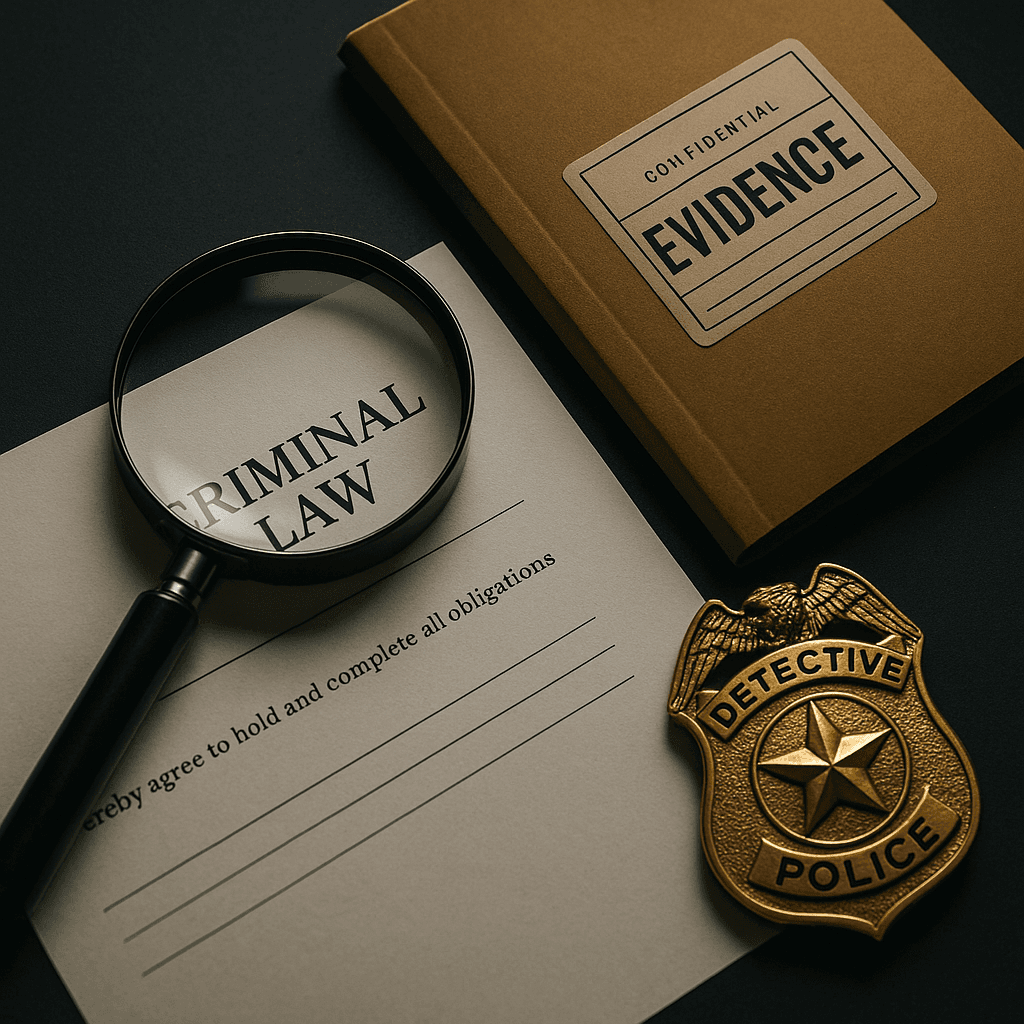
What Are the Key Phases of Complex Commercial Litigation?
Complex commercial litigation involves multi-party disputes over contracts, business dealings, intellectual property, or regulatory compliance that require extensive discovery, expert analysis, and often appellate review. The procedural framework governing complex commercial litigation demands strict adherence to filing deadlines, disclosure rules, and motion practice standards, with early procedural missteps creating substantial dismissal or sanctions risk. Courts in New York and federal venues may impose case management orders that compress discovery timelines or restrict expert disclosures if parties fail to meet initial scheduling deadlines. This article examines the major litigation phases, discovery obligations, motion practice dynamics, and strategic considerations that corporate parties should evaluate when assessing exposure and planning resource allocation.
Читать далее