




Юридическая информация

How Does Foreign Company Ceo Defense against Sec Criminal Referral Work?
Foreign company CEO defense against SEC criminal referral involves assessing criminal exposure, defense scope, and legal costs during federal enforcement inquiries.When an SEC investigation creates potential criminal exposure or a referral to criminal authorities, defense planning may address parallel proceedings, document demands, and representation scope. Cross-border evidence, foreign counsel coordination, and expert analysis can add procedural and financial complexity as the matter develops.
Читать далее

Legal Standards Governing a Cryptocurrency Action in New York
A cryptocurrency action is a civil legal proceeding in which a consumer or other party seeks to recover funds, assets, or damages resulting from cryptocurrency fraud, theft, unauthorized transactions, or breach of contract involving digital assets. Cryptocurrency actions operate under general contract law, tort law, and statutory consumer protection frameworks, though the digital and often pseudonymous nature of blockchain transactions creates unique procedural and evidentiary challenges. Defects in pleading, service, or proof of loss can result in dismissal or an unenforceable judgment, leaving the consumer without recourse. This article covers the legal foundation of cryptocurrency disputes, the burden of proof standards, timing concerns in New York courts, documentation requirements, and the strategic considerations that shape how these claims proceed.
Читать далее

Hipaa Agreement Types and Their Limits on Medical Record Disclosure
HIPAA agreement types govern different uses of medical records. Federal and New York law determine when disclosure is permitted. A HIPAA agreement does not automatically authorize disclosure of your medical records. Business associate contracts, staff confidentiality agreements, and patient authorizations serve different roles. For patients and surviving family members, the key questions are who received the information, why, and whether the law permitted it.
Читать далее

How to Use Fraud Compliance Standards to Hold Companies Liable
Fraud compliance refers to the legal and regulatory frameworks that organizations must follow to prevent fraudulent activity, detect it when it occurs, and respond appropriately to protect consumers and stakeholders. For victims of fraud, understanding these compliance obligations matters because they define what protections should have been in place, what disclosures companies owed you, and what remedies may be available when those systems fail. When a business fails to maintain adequate fraud prevention controls, that failure can expose you to identity theft, financial loss, or misuse of your personal information. Knowing the compliance landscape helps you evaluate whether you have grounds to pursue recovery or hold the responsible party accountable.
Читать далее
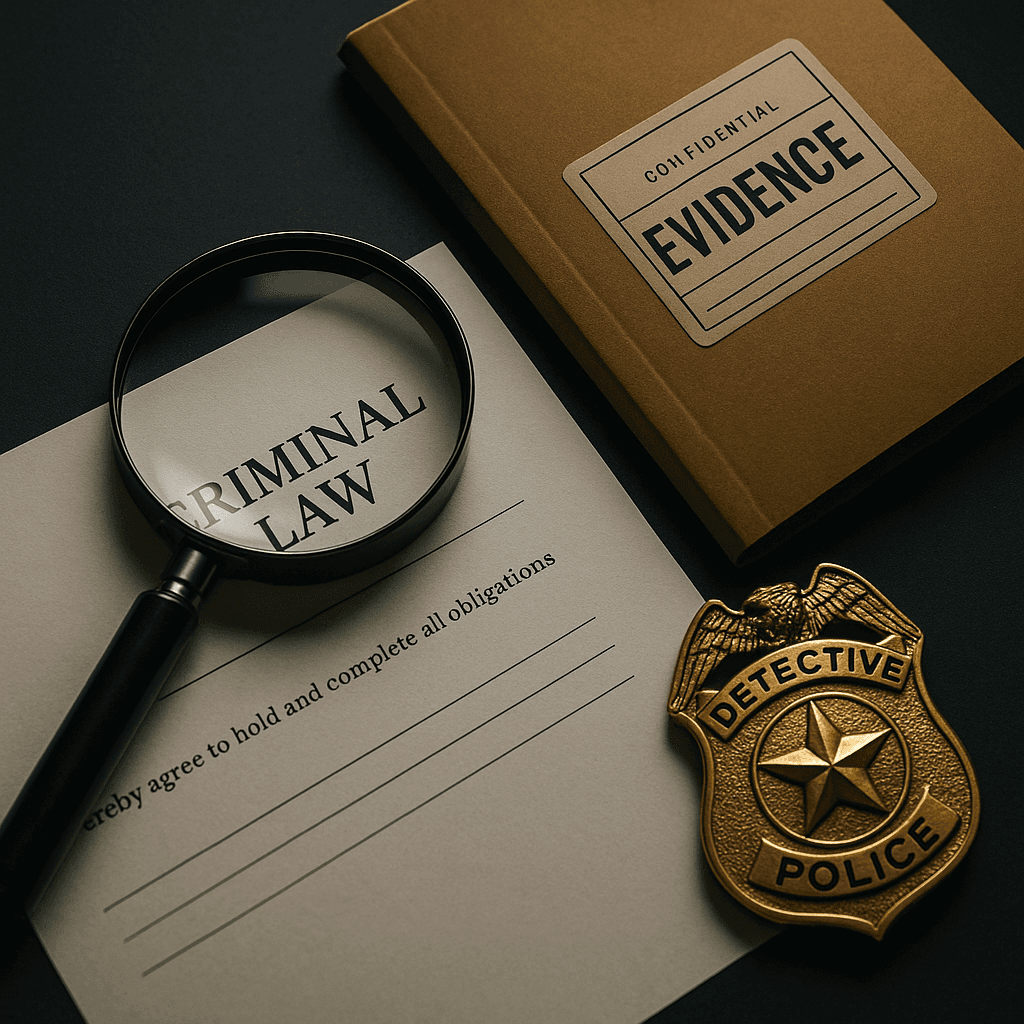
How Can a Landlord Defend against Foreclosure in New York?
Foreclosure defense strategies available to property owners in New York depend on whether the lender has followed proper procedural requirements, whether the loan documents contain enforceable terms, and whether the borrower has raised valid counterclaims or affirmative defenses rooted in state and federal law. New York courts have established that a lender seeking to foreclose must prove compliance with strict pleading standards and documentary authentication before a court will order sale of the property. Landlords facing foreclosure often discover that procedural defects, documentation gaps, or violations of the Truth in Lending Act (TILA) or Real Estate Settlement Procedures Act (RESPA) can materially affect the lender's right to proceed. Understanding these defenses early, before a judgment enters and the redemption period closes, is critical to preserving options and negotiating from a position of informed leverage.
Читать далее

What Are Your Rights to Breaks under New York State Labor Law?
New York State labor law mandates specific meal and rest break periods for employees working an eight-hour day, and violations of these requirements can form the basis of a labor lawsuit. Understanding your entitlements is the first step in recognizing whether your employer may be in violation. The law distinguishes between meal periods, which are unpaid, and rest breaks, which must be paid. Enforcement occurs through both administrative complaints and private litigation, meaning you have multiple avenues to address non-compliance.
Читать далее
