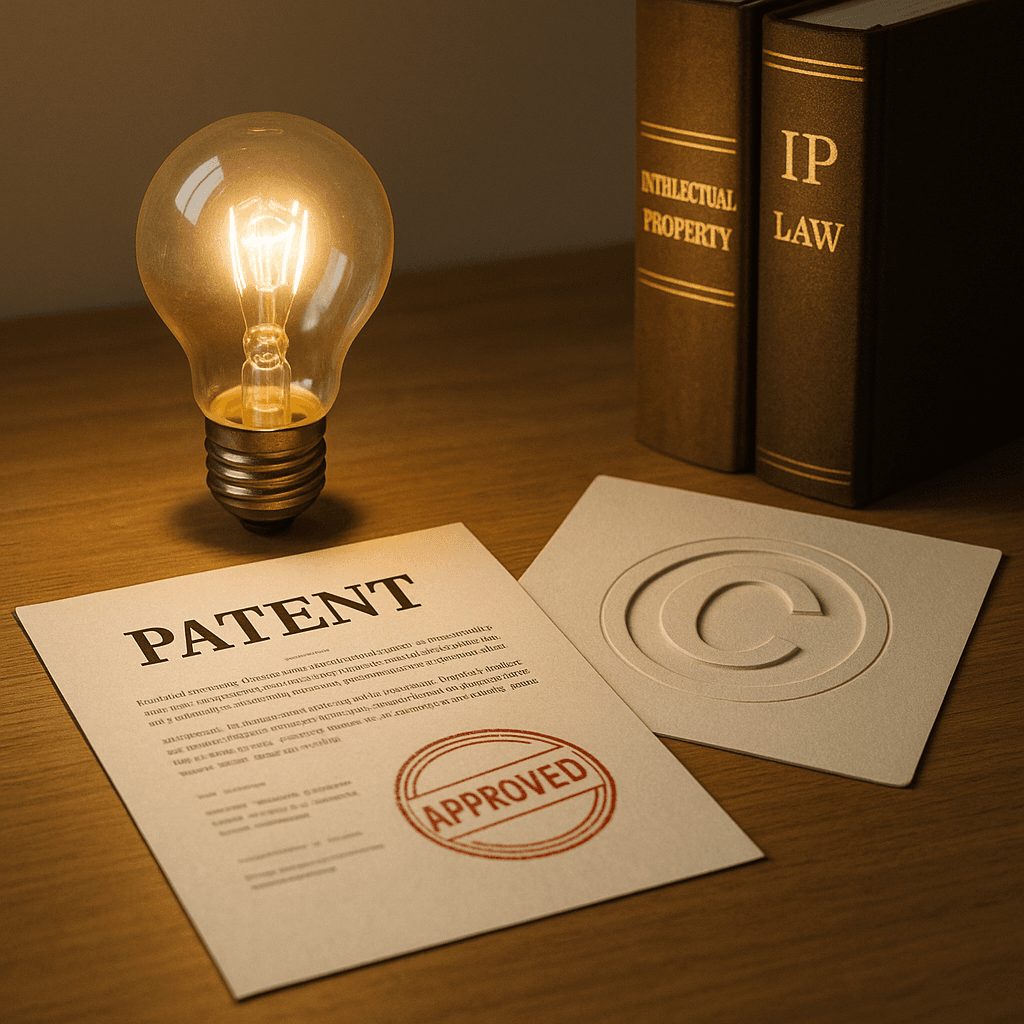
法律资讯

How Do You Structure a Sale of a Corporation?
A sale of a corporation requires choosing the right deal structure, completing due diligence, and meeting legal, tax, and regulatory requirements before closing. A sale of a corporation starts with choosing a stock sale or asset sale. A sale of a corporation affects taxes, liabilities, contracts, and regulatory compliance. Understanding a sale of a corporation helps buyers and sellers complete due diligence, prepare transaction documents, reduce legal risk, and complete closing successfully.
阅读更多

How Can Investors Assess Private Equity Litigation Exposure?
Private equity litigation encompasses disputes over fund governance, investment terms, valuation disagreements, and fiduciary duty claims that can expose investors to substantial financial and reputational exposure. Unlike traditional corporate litigation, private equity disputes often involve multiple layers of contractual complexity, limited partner agreements with arbitration clauses, and valuation methodologies that courts must interpret under state contract law. The stakes extend beyond individual transactions to fund performance, capital calls, and the enforceability of management fee structures. Understanding the procedural and substantive frameworks that govern these disputes helps investors assess early whether a disagreement may require formal resolution.
阅读更多

3 Essential Keys to Life Sciences Regulatory Compliance Laws
Life sciences regulatory compliance encompasses the legal and operational frameworks that govern how organizations develop, manufacture, market, and distribute pharmaceutical products, medical devices, biologics, and related therapies under federal and state law. Regulatory agencies like the FDA establish standards for safety, efficacy, and quality that apply before a product reaches the market, and they continue throughout its commercial lifecycle. Non-compliance can trigger warning letters, product seizures, criminal prosecution, or civil penalties that disrupt operations and damage market position. Understanding the scope and interconnected nature of these obligations helps organizations identify risk areas early and build sustainable compliance infrastructure.
阅读更多

Arson Defense Attorney: New York Charges and Defense Options
If you are facing arson charges in New York, an arson defense attorney can challenge the fire investigation, the forensic evidence, and the alleged intent. In New York, an arson charge can range from a class A misdemeanor to a class A-I felony, depending on intent, the property involved, and whether anyone was endangered. In my experience, the state's case often rests on fire science that is less certain than it first appears. This guide explains how the degrees work, why certain fires draw charges, how investigators build their proof, and where a strong defense can push back.
阅读更多
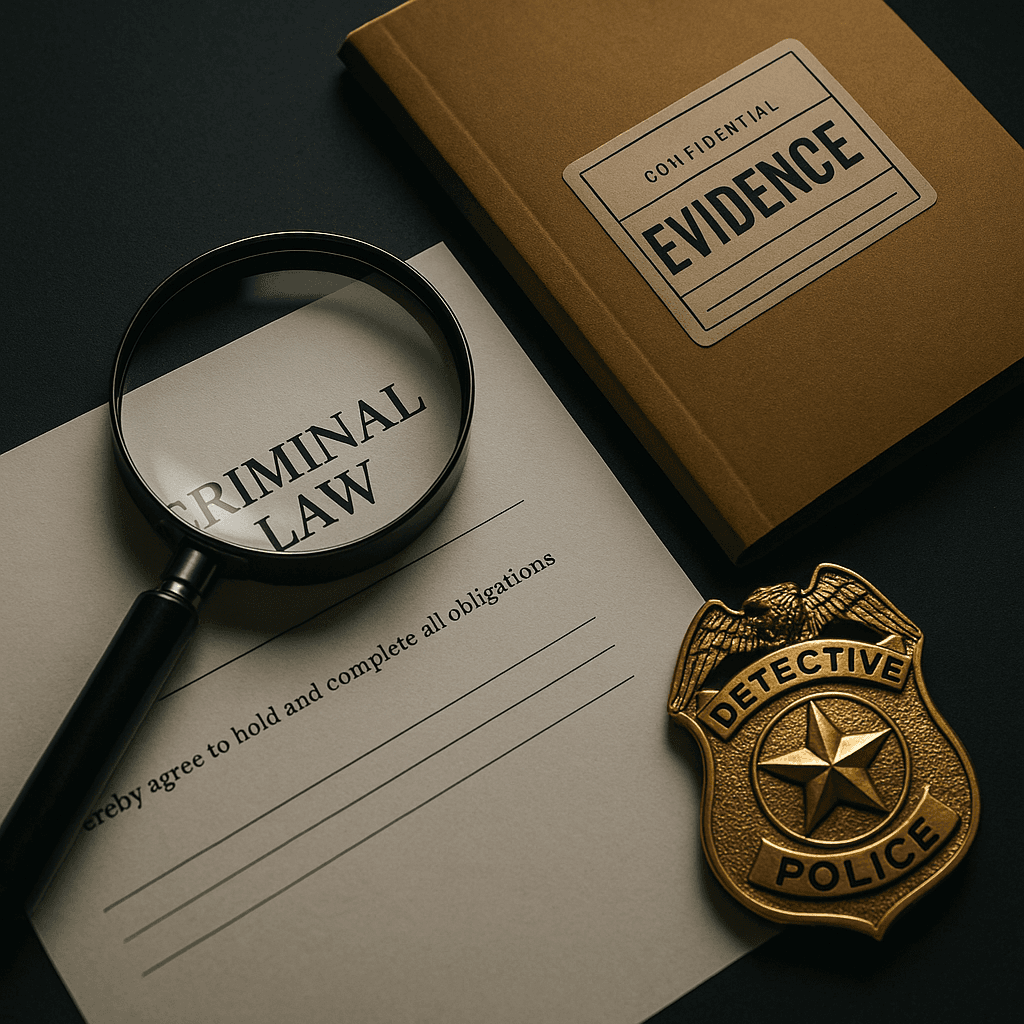
Construction Law Firm Guide to Contractor Licensing and Payment
A construction law firm reviews whether licensing deficiencies bar contractor payment claims under New York law.A contractor may complete a project only to have payment withheld over an alleged licensing problem. Recovery depends on whether a license was required, who held it, and when the work occurred. Contracts and official licensing records help distinguish a missing license from a business-name discrepancy.
阅读更多

Copyright Filing Fee Guide: Costs, Payment Methods & Registration Expenses
Understanding the copyright filing fee structure in New York ensures creators cover registration costs without delays. Basic online applications start at $45 through the U.S. Copyright Office.
阅读更多