




法律资讯

NYC Legal Malpractice Lawyer Explains How to Sue for Damages
A legal malpractice lawyer NYC helps clients determine whether attorney negligence caused a lost claim, financial loss, or other measurable harm and explains how to sue for damages under New York law. A legal malpractice lawyer NYC evaluates whether an attorney breached a professional duty and whether that breach directly caused compensable losses. To understand how to sue for damages, plaintiffs must establish duty, breach, causation, and quantifiable damages supported by evidence. A legal malpractice lawyer NYC can assess missed deadlines, conflicts of interest, negligent representation, and other errors that may support a claim. Because how to sue for damages often depends on strict filing deadlines, a legal malpractice lawyer NYC can also help evaluate limitation periods and available remedies before a claim is time-barred.
阅读更多
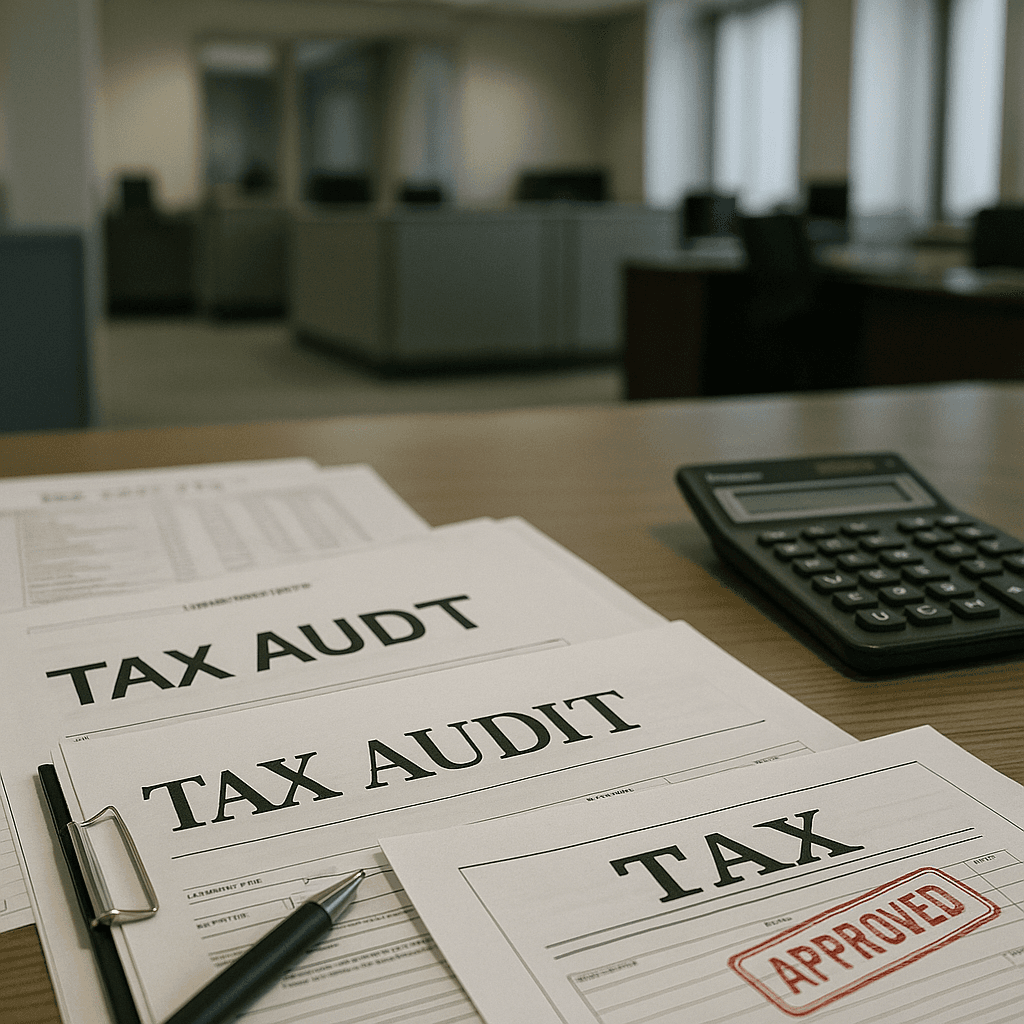
Tax Lawyer NYC Guide to Your Rights, Duties, and Legal Options
Tax Lawyer NYC Guide: Know your tax rights, understand your filing obligations under New York law, and find the right tax lawyer NYC to protect your financial interests.As a tax lawyer, NYC clients often come to me overwhelmed by the sheer complexity of the city's layered tax system. Whether you are a salaried employee in Manhattan, a small business owner in Brooklyn, or a real estate investor navigating city and state assessments, understanding your rights and obligations under applicable tax law is not optional, it is essential. This guide walks you through the key protections the law affords you, the duties you must fulfill, how to find qualified legal counsel in New York City, and why having a dedicated tax attorney in your corner makes a measurable difference.
阅读更多
How to Fight Auto Fraud and Lemon Law Accusations within New York State
Three Key Auto Fraud Points From a New York Attorney: Statute of limitations: four years; odometer rollback: felony; dealer liability: strict.Auto fraud and lemon law claims in New York State present distinct legal frameworks that often overlap in practice. Dealers, manufacturers, and private sellers face significant exposure under General Business Law Section 349 (deceptive practices), the Lemon Law (Article 4-A of the General Business Law), and federal odometer fraud statutes. Understanding the defenses available, the burden of proof, and the procedural mechanics in New York courts is essential for anyone accused of misrepresenting a vehicle's condition, history, or mechanical fitness. This article examines how courts evaluate these claims, what evidence matters most, and where strategic intervention early in a dispute can shift outcomes.
阅读更多

Digital Forensics and Ediscovery in New York: Procedures and Key Strategies
Digital forensics and ediscovery in New York demand chain-of-custody compliance, forensically sound acquisition, and strict admissibility standards under CPLR Article 31. Learn the core procedures and strategies for collecting, preserving, and presenting digital evidence in New York courts. Digital forensics and ediscovery in New York have become inseparable disciplines in modern litigation, where the outcome of a case often turns on whether electronic evidence was collected and preserved correctly from the start. Under CPLR Article 31 and New York Penal Law, courts evaluate digital evidence on three strict standards: authenticity, integrity, and reliability. In my experience advising clients through complex disputes, the organizations that struggle most are those that call a forensic specialist only after opposing counsel has already raised spoliation concerns. Getting digital forensics and ediscovery right means building a defensible chain of custody before anyone walks into the courtroom.
阅读更多

Ehs Regulatory Compliance Requirements for Corporate Operations
Environmental, Health, and Safety (EHS) regulatory compliance is a mandatory operational framework that corporations must implement to avoid penalties, operational shutdowns, and liability exposure.Compliance obligations vary significantly by industry, facility location, and the scope of regulated activities, with federal agencies, state environmental departments, and OSHA enforcement creating overlapping jurisdictional requirements. EHS compliance is fundamentally a documentation and risk management regime that requires corporations to maintain contemporaneous records, conduct regular audits, and respond promptly to regulatory inquiries. This article addresses the core regulatory framework, enforcement procedures, documentation requirements, and strategic responses that corporations should implement to minimize compliance violations and mitigate enforcement penalties.
阅读更多

Civil Litigation Process in New York, Step by Step under the Cplr
In New York, the civil litigation process runs under the CPLR, from filing and service through discovery, motions, trial, and appeal. New York cases begin by filing a summons and complaint, and the plaintiff then has 120 days to serve the defendant under CPLR 306-b. A defendant generally must appear or respond within 20 or 30 days, depending on the method of service. This guide follows each stage in New York Supreme Court, from those early deadlines through discovery, summary judgment, trial, and appeal.
阅读更多
