




法律资讯

Voidable Transactions
A voidable transaction, commonly known as a fraudulent conveyance, refers to a transfer of assets made by a debtor with the intent to evade creditors. In New York, this legal action is governed by the Uniform Voidable Transactions Act (UVTA), which replaced the former Debtor and Creditor Law in 2020. This modern law serves to protect the rights of creditors by providing a clear legal framework to challenge and nullify specific transactions, thereby allowing for the recovery of transferred assets that could otherwise be used to satisfy a debt. The UVTA not only updates the legal language but also harmonizes New York's laws with those of the majority of other states and the federal Bankruptcy Code, creating greater consistency and predictability for all parties involved.
阅读更多

Military Law Rules for Military Apparel Control
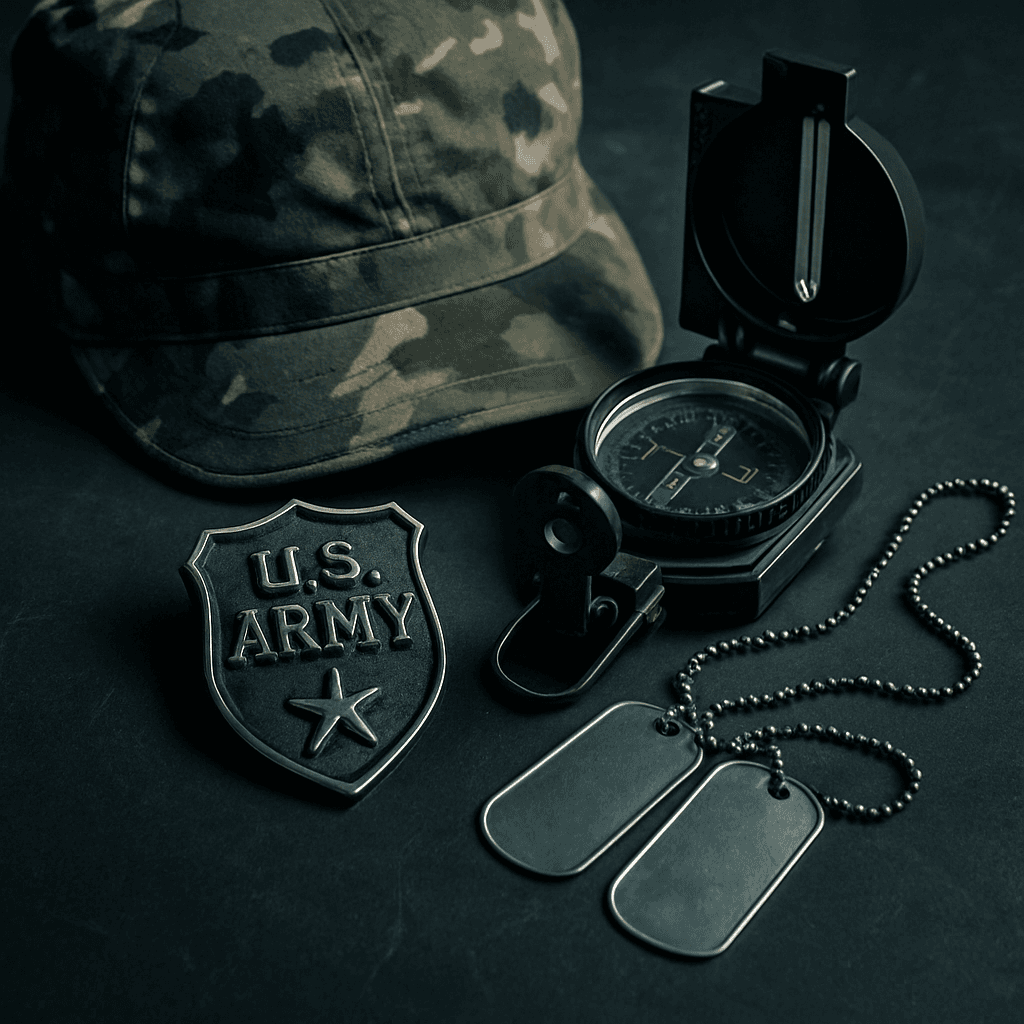
In New York, the Military Apparel Control Law prohibits civilians from wearing official military uniforms without proper authorization, and restricts the sale or possession of such items only when combined with impersonation or other prohibited conduct under state or federal law. This crucial regulation applies not only to authentic items but also to close replicas that could reasonably be mistaken for official military gear, ensuring the integrity of the armed forces is protected.
阅读更多
What Should Businesses Prepare for in Automotive Litigation?
Automotive litigation encompasses disputes arising from vehicle defects, manufacturing failures, dealer practices, and collision-related claims that expose manufacturers, dealers, and suppliers to significant liability and regulatory exposure. These disputes span product liability claims under strict liability and negligence theories, warranty breaches under the Uniform Commercial Code, and statutory consumer protection violations. Corporate defendants face parallel tracks of civil litigation, regulatory investigation, and potential criminal exposure depending on the nature of the defect or conduct. Understanding the legal frameworks that govern automotive claims, the burden of proof standards that apply, and the procedural mechanisms through which courts evaluate causation and damages is essential for managing risk and preparing defensible positions early in a dispute.
阅读更多

How to Sue for Damages in New York and 3 Key Things to Know
To successfully sue for damages in New York, you must understand the different types of compensation available, adhere to strict filing requirements and the statute of limitations, and build a strong case through expert testimony and evidence collection.Filing a lawsuit to recover damages is a fundamental right available to individuals and businesses who have suffered financial or personal harm due to another party's actions or negligence. Understanding how to sue for damages involves knowing the types of damages available, the legal procedures required, and the steps necessary to build a compelling case. This guide explains the process of pursuing damages claims in New York and provides essential information about your legal options when seeking compensation.
阅读更多

Fraudulent Transfer Law in Washington D.C.: Avoiding Fraudulent Transfers
Learn how fraudulent transfer law in Washington D.C. .llows creditors to challenge improper asset transfers, recover assets, and protect lawful collection rights. Fraudulent transfer law in Washington D.C. .xplains when creditors may challenge transfers intended to hinder, delay, or defraud lawful collection efforts. Fraudulent transfer law permits courts to avoid improper transfers, recover transferred assets, and apply statutory remedies when legal requirements are satisfied. Understanding fraudulent transfer law helps creditors and debtors evaluate legal risks, available defenses, and recovery procedures under District law.
阅读更多

Military Uniform Regulation
In Washington D.C., federal laws strictly regulate the unauthorized wearing of military uniforms to protect public safety, maintain the integrity of the armed forces, and prevent impersonation. Specifically, Federal law, particularly 18 U.S.C. § 702, prohibits civilians from wearing the uniform or any distinctive part thereof of the U.S. Armed Forces without express authorization. While the jurisdiction is primarily federal, enforcement within Washington D.C. .s carried out under federal law, with local police assisting in cooperation with federal authorities to ensure compliance.
阅读更多
