




法律资讯

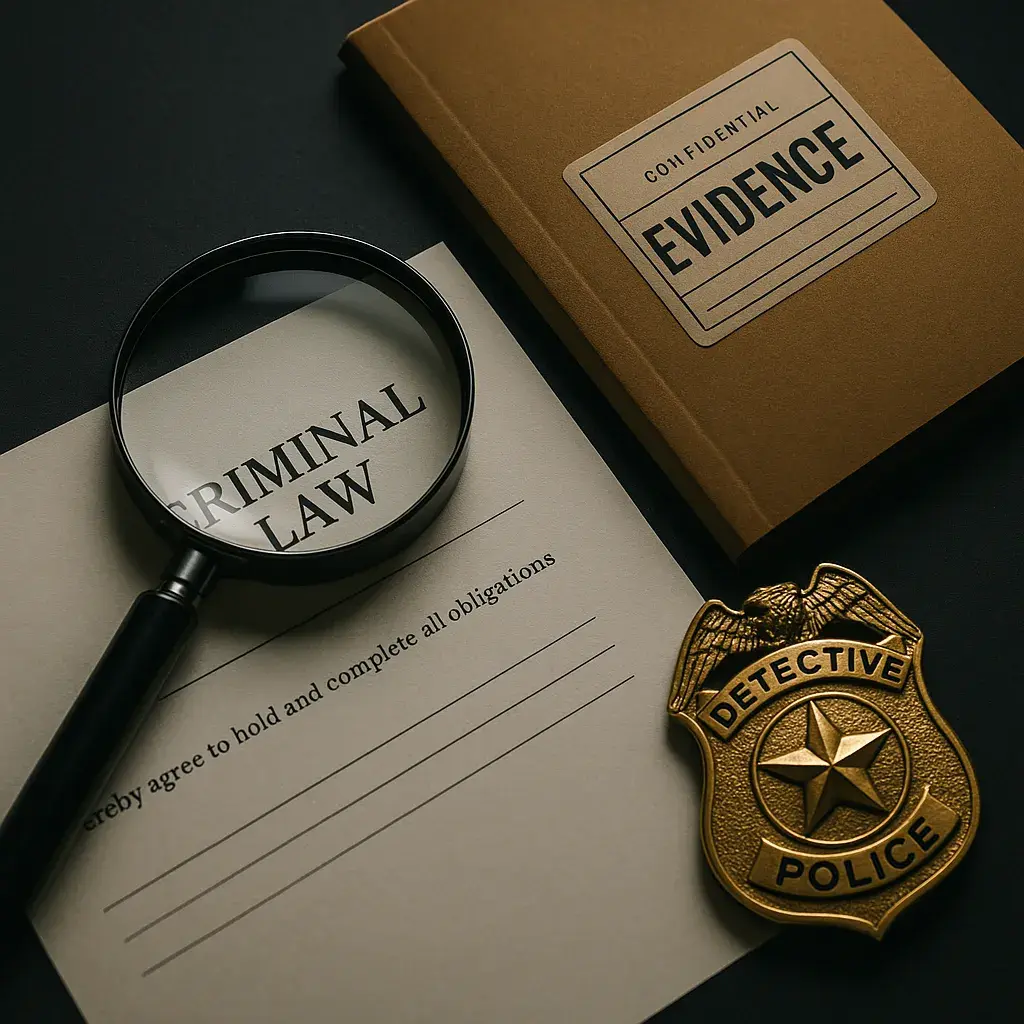
Best Criminal Lawyer NYC for Early Criminal Case Defense
Early criminal case defense begins before arraignment. Learn how evidence review, plea evaluation, and timely legal action protect your options. A criminal case is often shaped by the earliest defense decisions. A best criminal lawyer in NYC builds an early criminal case defense by reviewing evidence and evaluating legal options before arraignment. I have seen that prompt action helps preserve important rights throughout a criminal case. Choosing a best criminal lawyer in NYC early can strengthen a criminal case before key deadlines.
阅读更多
Understanding Payment Orders and Enforcement Strategies with an NYC Debt Collection Lawyer
Core Payment Order Strategies from an NYC Lawyer:• A payment order requires a court judgment, and creditors must complete proper filing, service, and proof before gaining enforcement rights.• Once entered, the judgment allows creditors to pursue wage garnishment, bank levies, and liens against the debtor’s assets.• In New York, judgments remain enforceable for up to ten years, with interest accruing, significantly increasing the total amount owed over time.
阅读更多

Civil Litigation Process in New York, Step by Step under the Cplr
Civil litigation in New York runs under the CPLR, and an action is commenced by filing rather than by service. A plaintiff files a summons and complaint and then has 120 days to serve the defendant under CPLR 306-b. A defendant appears or answers within 20 days where the summons was delivered personally within the state, and within 30 days where service was made any other way (CPLR 320(a)). The choice has to be made at this point, because a motion to dismiss under CPLR 3211 must be made before the answer is served. Disclosure follows, with the schedule set at the preliminary conference. Filing the note of issue certifies that disclosure is complete and also starts the clock on summary judgment: CPLR 3212(a) sets 120 days as the outside limit, and many parts shorten it to 60 by their own rules. A later motion requires a reason for the delay itself, not merely a strong motion (Brill v. City of New York, 2 N.Y.3d 648 (2004)). After judgment, a notice of appeal is due within 30 days of service of the judgment or order with notice of entry, or 35 days if served by mail (CPLR 5513). That deadline is jurisdictional and cannot be extended.
阅读更多

Security Deposit Refund and Recovery
Security deposit disputes are among the most frequently litigated housing issues in New York, and both landlords and tenants must understand the governing legal framework to avoid liability or loss. * Three Key Legal Points: - 30-Day Return Requirement:Under New York law, landlords are generally required to return the tenant’s security deposit within 30 days after lease termination and vacancy. Failure to do so may expose the landlord to legal claims, including potential penalties.- Itemized Deductions:If any portion of the deposit is withheld, the landlord must provide a detailed, itemized statement explaining the basis for each deduction (e.g., unpaid rent or damage beyond normal wear and tear). Unsupported or vague deductions may be challenged and disallowed.- Interest Accrual:For certain rental properties, particularly larger buildings, security deposit must be held in interest-bearing accounts, and tenants are entitled to receive any accrued interest (subject to allowable administrative fees). Understanding these requirements is critical. For tenants, it ensures the ability to recover funds lawfully owed. For landlords, strict compliance helps avoid disputes, statutory penalties, and potential litigation.
阅读更多

What Procedural Steps Are Required in a Land Action?
A land action is a civil proceeding brought to resolve disputes over real property rights, possession, title, or use between parties who have competing claims to or interests in the same land. Land actions typically require the plaintiff to establish a legally recognized claim, such as breach of a boundary agreement, trespass, or contractual obligation tied to the property. Success depends on proving the substantive claim, but procedural defects, notice failures, and timing issues can derail even strong factual positions. This article covers the core procedural requirements, defense angles, and strategic considerations that shape how courts handle land disputes in New York.
阅读更多

Best Criminal Lawyers in NYC on Legal Procedure and Defense Strategy
Three Key Criminal Procedure Points from Lawyer NYC Attorney: Arraignment within 72 hours, discovery obligations start immediately, bail hearings determine release. Criminal procedure in New York is governed by the Criminal Procedure Law (CPL), which establishes the framework for how arrests, investigations, and prosecutions unfold from the moment of detention through trial. Understanding these procedural rules is critical because missteps early in a case often determine whether evidence gets suppressed, bail is set reasonably, or the prosecution's case weakens. The best criminal lawyers in NYC know that procedure is not merely technical; it is where cases are frequently won or lost.
阅读更多
