法律资讯

Fabrication of Evidence
Malicious Fabrication of Evidence is a very serious criminal offense in New York. It refers to the intentional creation or alteration of evidence with the specific goal of harming another individual in a criminal or disciplinary proceeding. This article explains the definition, legal elements, penalties, and how to respond if falsely accused of Fabrication of Evidence.
阅读更多
How Privacy Disputes Expose Corporations to Class Action and Regulatory Risk
Privacy disputes arise from unauthorized data collection or use, creating class action exposure and regulatory liability. Privacy disputes occur when personal data is collected or disclosed without consent, triggering statutory liability even without concrete harm under data breach notification rules, biometric statutes, HIPAA, and GLBA. Corporations face both individual-plaintiff and class action exposure, with certification multiplying discovery scope and settlement stakes.
阅读更多
Fabrication of Evidence with Malicious Intent
In Washington, D.C., fabricating or falsifying evidence in order to interfere with an official proceeding or wrongfully harm another individual may constitute obstruction of justice under D.C. Code § 22–722. This offense is treated as a serious felony because such conduct threatens the integrity of the judicial process. This article explains how evidence fabrication fits within the obstruction statute, the legal elements prosecutors must prove, the applicable sentencing framework, and potential defense strategies under District of Columbia law.
阅读更多
What Are the Core Legal Standards in Food-Related Consumer Protection Litigation?
Food-related consumer protection claims involve distinct statutory frameworks, burden-of-proof standards, and procedural requirements that corporations must navigate carefully to understand liability exposure and defense strategies. Consumer protection statutes at the federal and state level establish specific standards for food labeling, marketing, and safety that differ from general contract or tort law. Corporations face liability under statutes such as the Federal Trade Commission Act, state deceptive practices acts, and food-specific regulations when product representations do not match actual composition or safety. The burden typically falls on the plaintiff to demonstrate that a representation was material, false, or misleading, though some statutes impose strict liability for certain violations independent of intent.
阅读更多

What Are the Severe Residential Misrepresentation Penalties?
Falsifying your residential address in New York, defined as Residential Misrepresentation, is not a trivial offense. What may seem like an administrative misstep can trigger severe legal consequences under both local and state laws. This offense carries significant penalties when it involves seeking illegal advantages in areas such as housing benefits, public school assignments, or electoral fraud. The state views this act of providing false residential information as a deliberate attempt to deceive public systems for personal gain.
阅读更多
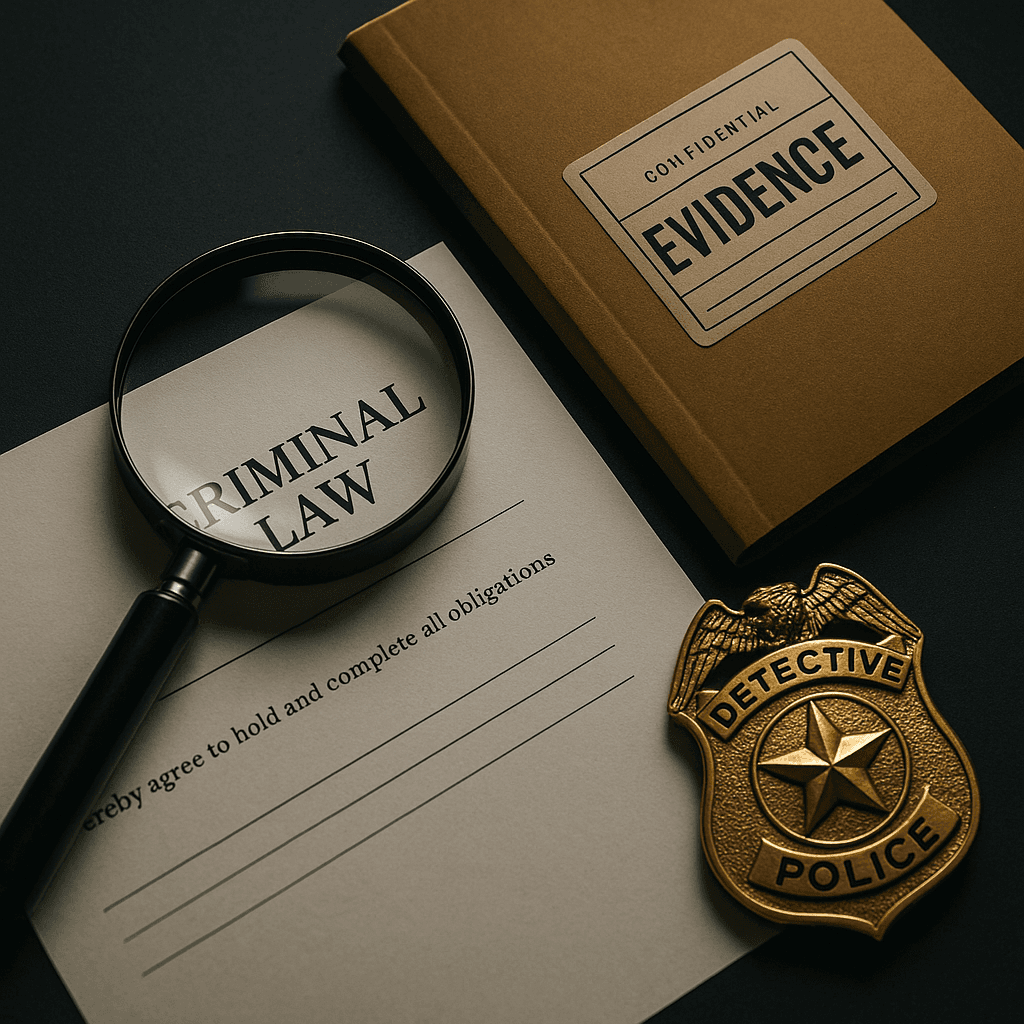
Consumer Protection Lawsuit Risk Management Strategies for Corporations
Consumer protection lawsuits expose corporations to statutory liability, regulatory scrutiny, and reputational risk that extends far beyond the immediate litigation. These claims often arise from alleged deceptive practices, inadequate disclosures, or violations of federal and state consumer statutes. The legal framework imposes strict standards on how companies market products, handle customer data, and respond to complaints. Understanding the procedural mechanics, potential exposure, and defensive strategies helps corporations evaluate risk early and make informed decisions about settlement, litigation posture, and compliance remediation.
阅读更多