




法律资讯

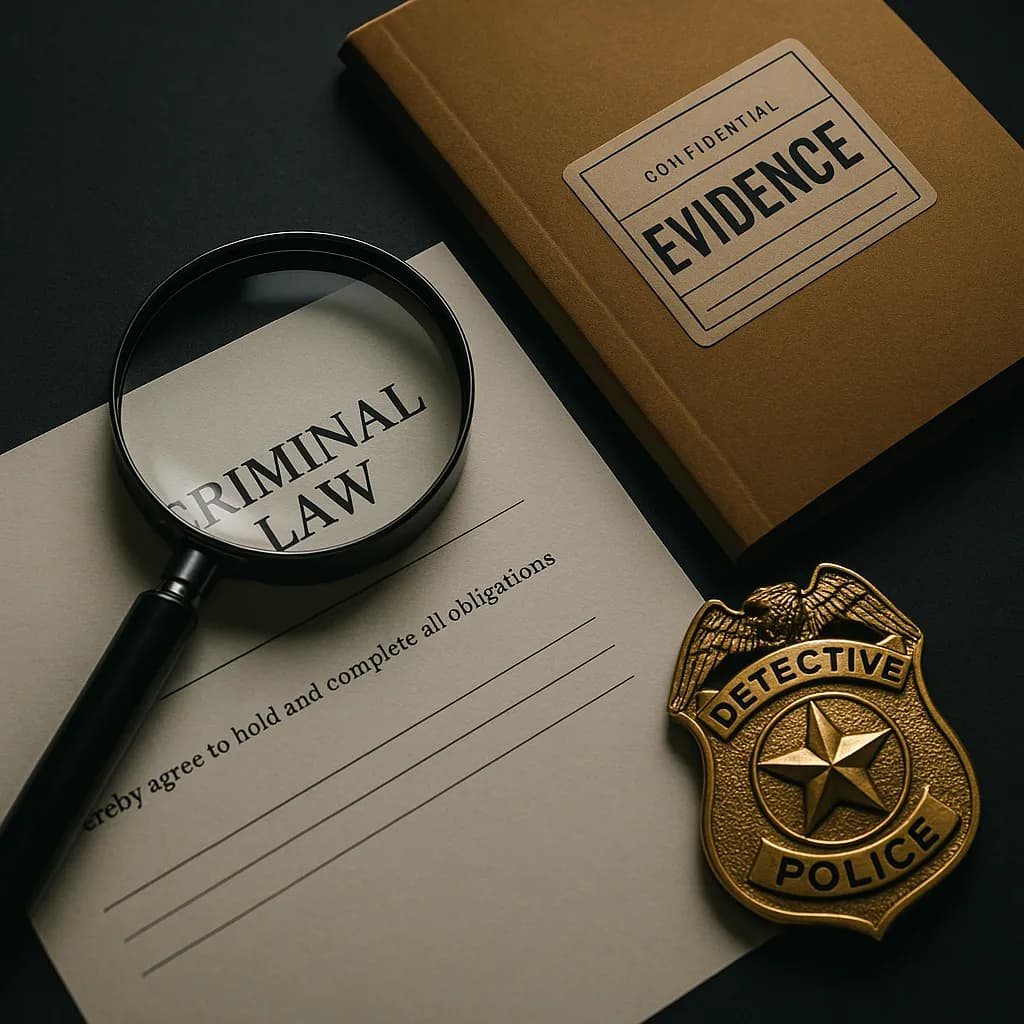
How Does Criminal Law in New York Protect Your Rights?
Criminal law in New York defines conduct and penalties; legal counsel analyzes evidence while defendants exercise rights to address charges.Criminal law in new york encompasses the statutes, procedures, and legal principles that govern criminal conduct within the state. This body of law defines prohibited behaviors, establishes penalties, and outlines the rights of defendants throughout the criminal justice process. Understanding criminal law in new york is essential for anyone facing charges or seeking to comprehend how the state's legal system addresses criminal matters.
阅读更多
Workplace Injury Benefits: an Overview
New York's Workers' Compensation Law is a no-fault insurance program that provides benefits to employees who suffer job-related injuries or occupational diseases. This system ensures that workers can receive swift access to medical care and compensation for lost wages, regardless of who was at fault for the accident. The primary goal of the workers' compensation system is to facilitate a worker's recovery and safe return to the workplace, ultimately supporting both the individual and the state's economy.
阅读更多

Foreign Exchange Transaction Violation
Foreign exchange regulations in Washington D.C. .re primarily enforced under federal laws, including the Bank Secrecy Act (BSA), International Emergency Economic Powers Act (IEEPA), and the Trading with the Enemy Act (TWEA), alongside local reporting and registration duties. Violations of Foreign Exchange Transaction laws can lead to severe administrative and criminal penalties, emphasizing the importance of compliance with Foreign Exchange Transaction Violation rules.
阅读更多

How Can Aml Due Diligence Verify Legal Entity Owners?
Anti-money laundering due diligence is a compliance obligation that corporations must conduct to identify and mitigate the risk that their business relationships, transactions, or operations facilitate financial crime or sanctions violations.Regulatory agencies expect companies to establish written AML policies, perform risk assessments, and verify customer identity before establishing accounts or processing significant transactions. Failure to implement adequate AML due diligence can expose a corporation to civil penalties, criminal liability, regulatory enforcement actions, and reputational harm. This article examines the core components of AML due diligence, procedural requirements, sanctions compliance obligations, and documentation standards that corporations must maintain to demonstrate regulatory compliance.
阅读更多

Why New York Defamation Law Lawsuits Require Explicit Malice
Key 3 Insights into New York Defamation Law:false statement requirements and the distinction between fact and opinion, publication and liability rules in digital and social media contexts, fault standards and damages based on whether the plaintiff is a public or private figure New York defamation law protects individuals and businesses from false statements that damage their reputation. Defamation occurs when someone publishes a false statement that harms a person's character or standing in the community. Understanding the elements of defamation, the distinction between libel and slander, and available defenses is essential for anyone facing reputational harm in New York.
阅读更多

Workers' Compensation Law
The District of Columbia Workers' Compensation Act is a vital piece of legislation designed to protect employees who suffer work-related injuries or illnesses. This no-fault insurance system provides crucial financial and medical benefits to workers, ensuring they receive the necessary care and support to recover. For employers, understanding and complying with this act is not just a legal requirement, but a fundamental aspect of responsible business operation, fostering a safer and more stable work environment for everyone.
阅读更多
