法律资讯

Medical Prescription Narcotics Enforcement
New York State has implemented targeted enforcement policies to curb the misuse and illegal distribution of medical prescription narcotics. These comprehensive measures aim to protect public health, strengthen regulatory oversight, and ensure that healthcare providers comply with all applicable laws governing controlled substances. The state’s multi-pronged approach involves sophisticated monitoring, interagency collaboration, and strict compliance requirements to safeguard its communities from the devastating effects of prescription drug abuse.
阅读更多

Serious Workplace Accident Liability Law
The Serious Workplace Accident Liability Law in New York is designed to hold corporate leaders personally accountable for fostering and maintaining a safe workplace environment. This comprehensive legal framework requires companies to establish robust safety systems, strictly comply with all occupational safety laws, and take immediate action in the event of incidents. This approach emphasizes preventative management over reactive compensation, making proactive executive oversight a mandatory legal requirement for all businesses in the state.
阅读更多

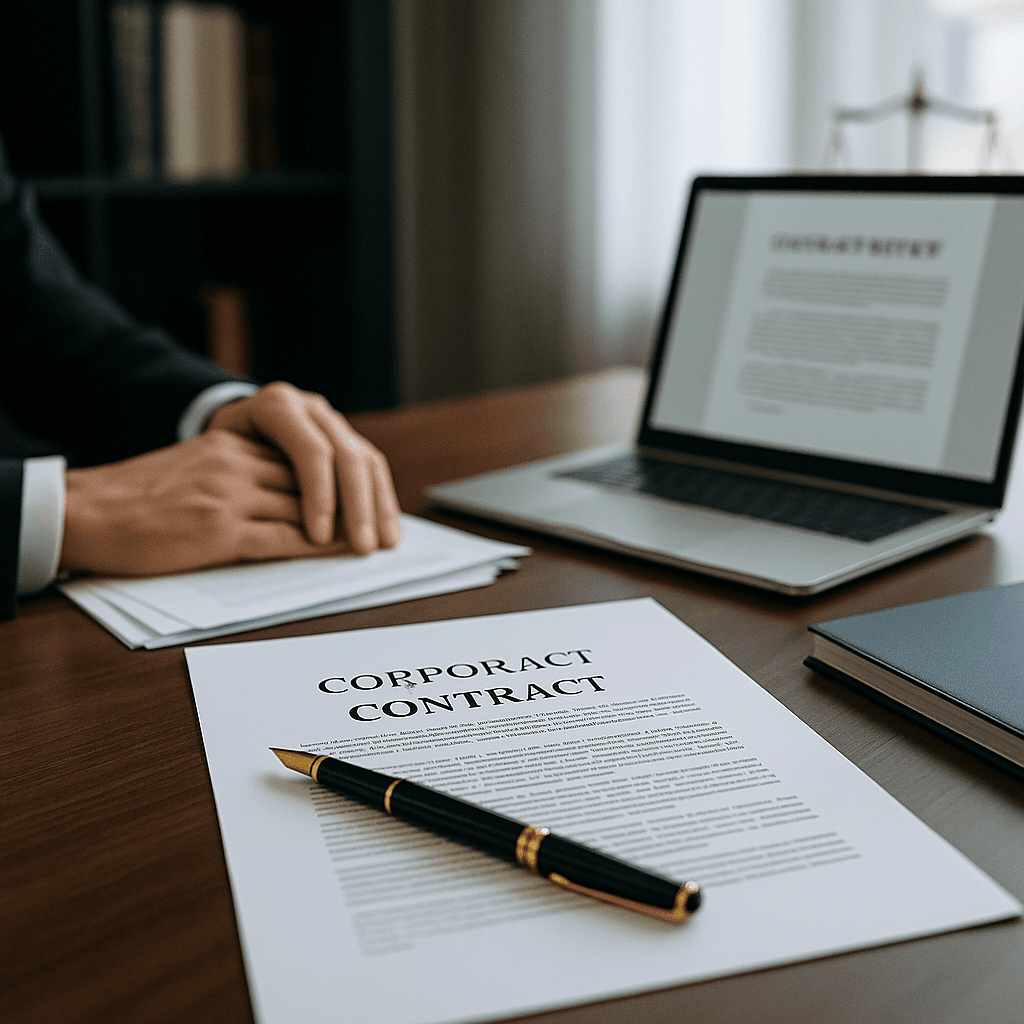
How Should a Corporation Structure a Licensing Agreement?
A licensing agreement is a binding contract that grants one party the right to use intellectual property, brand assets, or operational systems owned by another, and the structure of that agreement directly affects your company's revenue protection, liability exposure, and enforceability in New York courts. Corporations frequently negotiate licensing arrangements without recognizing how ambiguous grant language, inadequate quality controls, or weak termination provisions can undermine the agreement's commercial purpose and create litigation risk. The agreement must clearly delineate what rights are transferred, under what conditions, and what remedies apply if either party breaches. Understanding the core structural elements and how New York courts interpret licensing disputes will help your company avoid costly disputes and preserve your intellectual property value.
阅读更多

Medical Controlled Substances
Washington D.C. .nforces strict oversight on the prescription, distribution, and storage of medical controlled substances to protect public health and safety. Enhanced monitoring and coordinated enforcement aim to prevent misuse, diversion, and unlawful trafficking, which pose significant risks to the community. Agencies such as the D.C. Department of Health, the Drug Enforcement Administration (DEA), and the Metropolitan Police Department cooperate closely to maintain stringent compliance and protect public health across the District.
阅读更多

What Is Osha Compliance : Legal Advice
In Washington D.C., the framework for handling serious industrial accidents strategically combines robust federal Occupational Safety and Health Administration (OSHA) standards with specific local enforcement provisions. The resulting legal structure imposes significant civil and criminal liability on business owners, executives, and managers when major workplace incidents occur. This integrated approach ensures that the jurisdiction’s regulatory reach extends deeply into corporate safety practices, going beyond mere fines to address systemic failings. The ultimate aim is to ensure stringent accountability, encourage proactive hazard prevention, and fundamentally safeguard workers' health and safety across all industries operating within the District.
阅读更多

What You Should Know about Lemon Law Claims : a Comprehensive Guide
Lemon law statutes create a structured remedy when a manufacturer cannot repair a vehicle defect within a reasonable number of attempts or timeframe. These laws operate as a consumer protection framework, separate from general warranty or fraud claims, and impose specific procedural and evidentiary requirements on both the consumer and the manufacturer. Understanding the statutory triggers, notice obligations, and documentation standards is essential for any business evaluating whether a vehicle purchase qualifies for relief. The remedies available, including repurchase or replacement, depend on meeting precise statutory conditions that vary by jurisdiction.
阅读更多