




法律资讯

Ascendant Threats
In Washington D.C., threatening one’s parent or another ascendant family member is considered a serious criminal offense with elevated sentencing guidelines. Legally known as "ascendant threats," this charge refers to threatening conduct directed at one’s parents, grandparents, or other lineal ancestors. It goes beyond general criminal threat charges by acknowledging the heightened social and familial harm caused when direct ascendants are targeted, underscoring the legal system's commitment to protecting vulnerable family relationships and ensuring familial security.
阅读更多
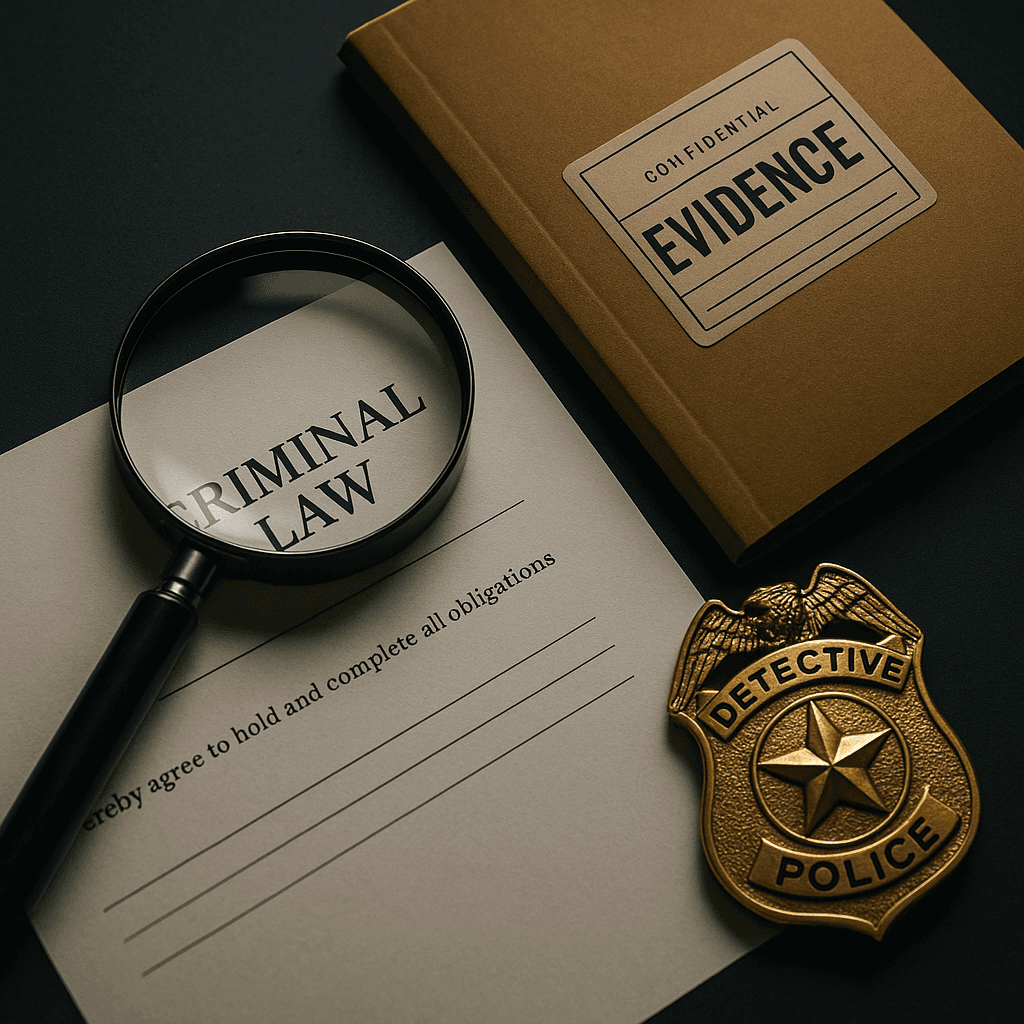
What Are the Essential Stages of an Effective Civil Litigation Defense?
Civil litigation defense is the legal framework and strategy corporations use to respond to lawsuits, minimize exposure, and preserve operational continuity when faced with claims for damages or injunctive relief. Unlike criminal defense, civil litigation operates in a different procedural environment where the burden of proof is lower (preponderance of the evidence rather than beyond a reasonable doubt), but the stakes for a business often involve significant financial liability, reputational harm, and operational disruption. Corporations must understand early how claims are structured, what defenses are available, and how discovery and motion practice can shift the trajectory of a case. The cost of defense itself, combined with potential judgment and settlement pressure, makes strategic decision-making from the outset critical to protecting shareholder value and business continuity.
阅读更多

What Does Social Media Defamation Law Cover in New York?
Learn how social media defamation law defines false factual statements, protected opinion, evidentiary standards, and civil remedies under New York law. Social media defamation law determines whether online statements create legal liability under New York law. In my experience, successful defamation claims depend on distinguishing false factual statements from protected opinion while preserving evidence that demonstrates publication and reputational harm. Because defamation disputes often involve both free speech and reputational interests, careful legal analysis should precede any complaint or lawsuit.
阅读更多
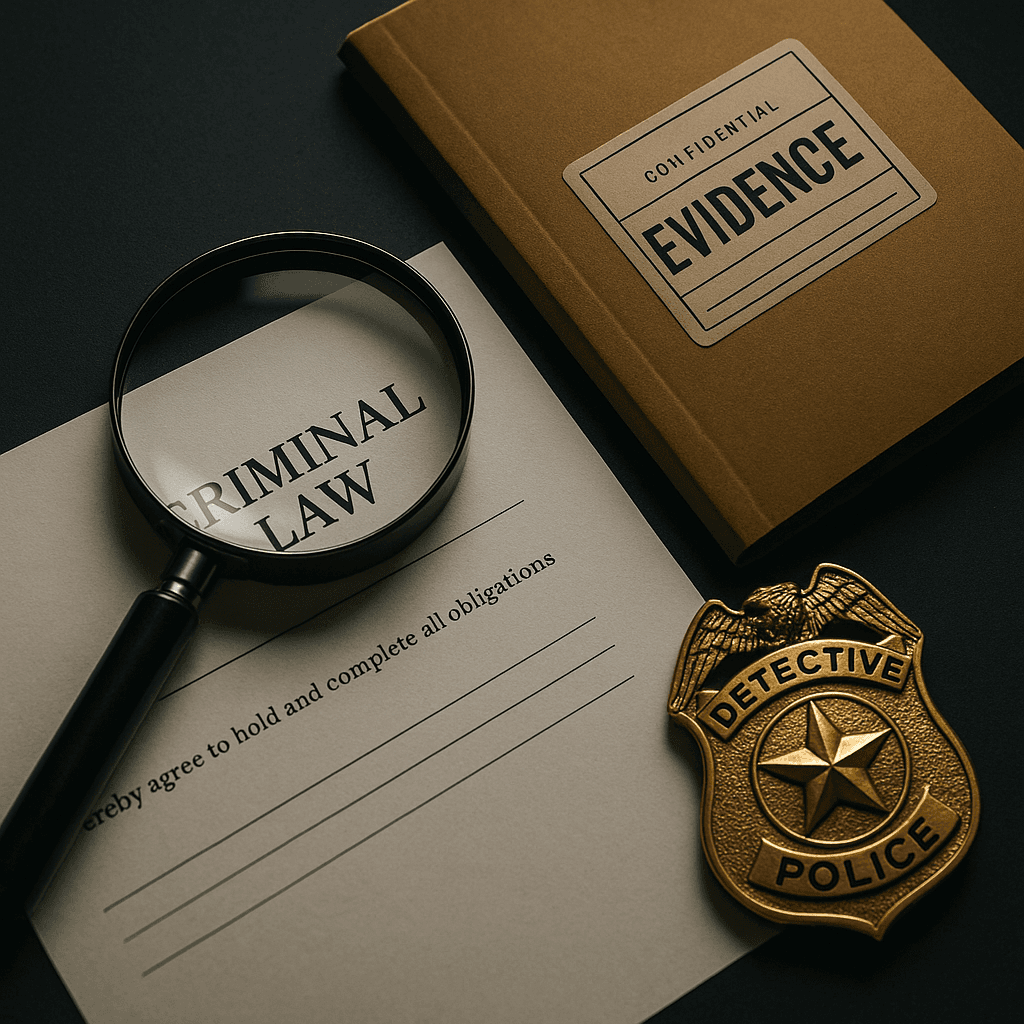
When Should Your Firm Consult a Civil Litigation Attorney for Defense?
A civil litigation attorney helps corporations navigate disputes, manage legal exposure, and preserve strategic options before conflicts escalate into costly courtroom battles. Business disputes often arise unexpectedly, and early legal assessment can determine whether a matter settles, requires negotiation, or demands formal court action. From a practitioner's perspective, the difference between proactive counsel and reactive response frequently determines both the financial outcome and the operational disruption a corporation faces. Understanding when and how to engage litigation counsel allows your company to control timing, gather evidence strategically, and avoid procedural pitfalls that can weaken your position.
阅读更多

What Is Online Defamation Law in Washington, D.C.?
Learn how online defamation law applies in Washington, D.C., including legal requirements, digital evidence, complaint procedures, and available legal remedies. Online defamation involves false factual statements published through digital platforms that harm another person's reputation. In Washington, D.C., online defamation claims generally depend on publication, falsity, identifiability, fault, and properly preserved digital evidence. From my experience, reviewing an online defamation matter promptly often helps preserve critical evidence before online content is modified or removed.
阅读更多
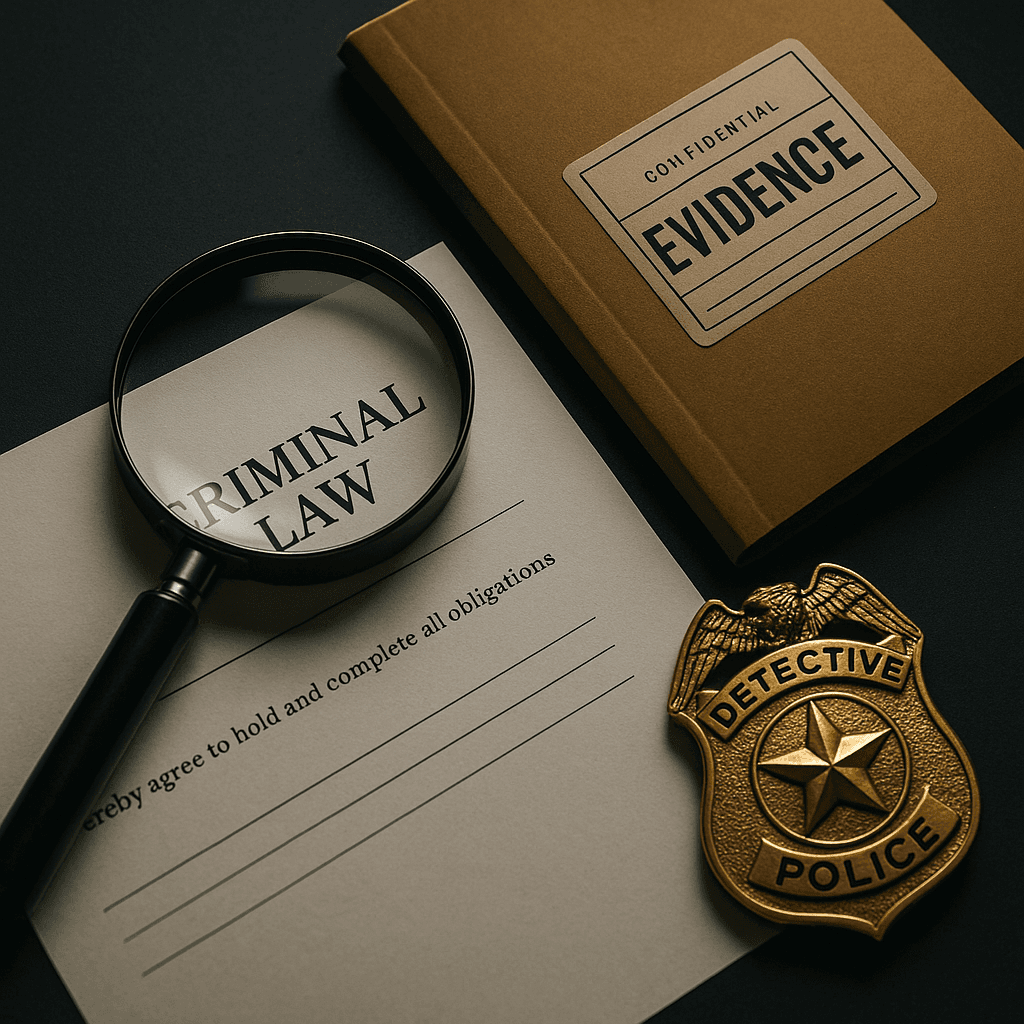
How to Defend Corporate Assets against Civil Enforcement Probes
Civil enforcement is the legal mechanism by which parties seek to compel compliance with court orders, judgments, or contractual obligations through non-criminal remedies. For corporations, civil enforcement represents a critical operational and financial risk that extends well beyond the initial judgment. Enforcement actions can target business assets, revenue streams, and operational continuity in ways that require proactive strategic planning. Understanding the scope of enforcement tools available to creditors and judgment holders is essential for protecting corporate interests and managing exposure before disputes escalate.
阅读更多
