




法律资讯

How Can You Defend against a Misconduct Case Allegation?
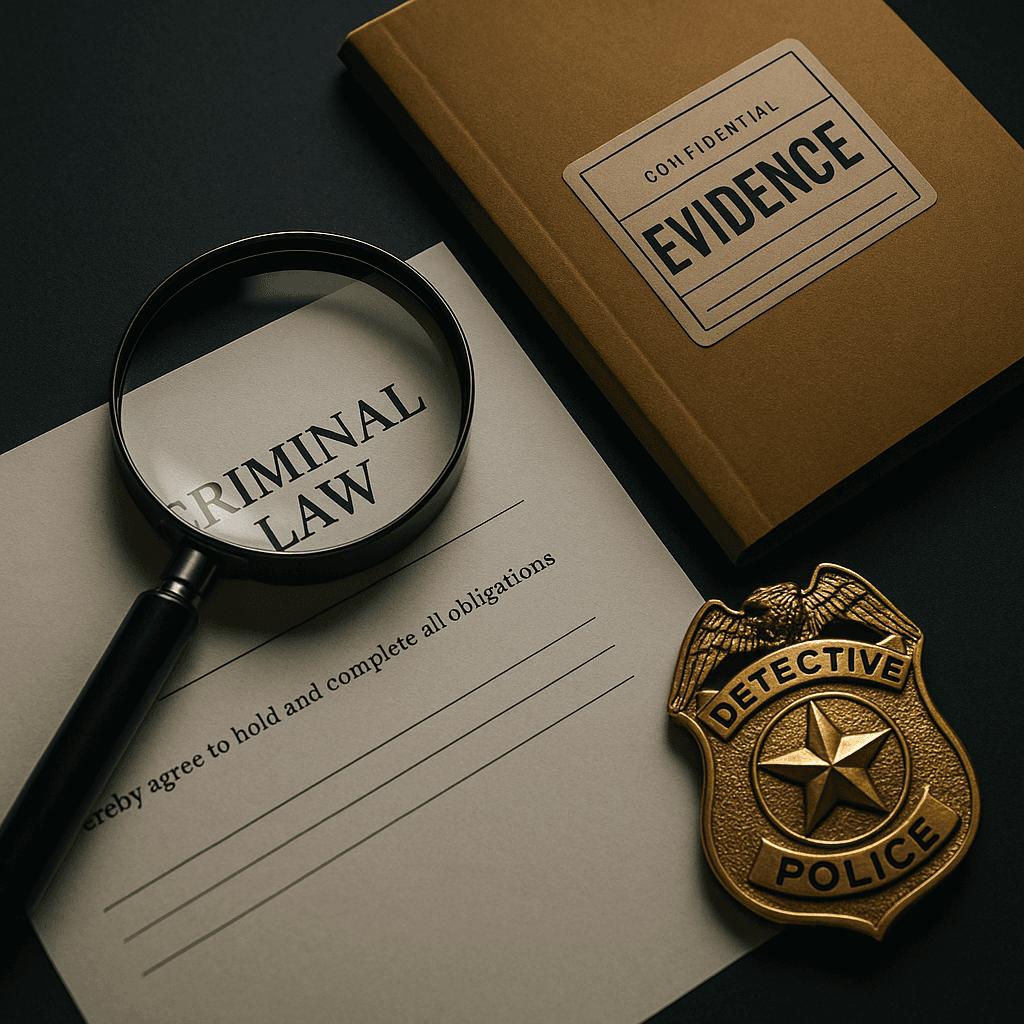
Misconduct in a case refers to improper conduct by a party, attorney, witness, or court official that violates procedural rules, ethical standards, or the law itself, and may undermine the integrity of legal proceedings or create grounds for dismissal, sanctions, or appeal. New York courts and federal tribunals impose strict standards for conduct during litigation, and violations can result in case dismissal, monetary penalties, or reversal on appeal. Procedural misconduct includes filing false documents, destroying evidence, failing to disclose material information, or engaging in harassment or fraud. This article examines how courts define misconduct, the consequences for your case, the burden of proof required to establish it, and the practical steps workers and parties can take to protect their interests and respond to allegations.
阅读更多

Why Is Early Legal Advice Critical in Trade Secret Disclosure?
Trade secret disclosure can trigger both civil liability and criminal prosecution, with consequences that extend far beyond a single lawsuit. When confidential business information is disclosed without authorization, the party responsible faces potential claims under federal and state law, including the Defend Trade Secrets Act and common law misappropriation theories. The severity of consequences depends on whether the disclosure was intentional, whether it caused measurable harm, and whether the information qualified as a trade secret under applicable legal standards. Understanding the scope of liability is critical because remedies can include injunctive relief, monetary damages, and, in some cases, criminal penalties.
阅读更多
DUI in Nanuet, NY: Complete Legal Guide & Defense Strategies
Facing a DUI charge in Nanuet requires immediate legal action. Facing prosecutors in Rockland County demands a strong defense strategy to protect your driver's license, freedom, and future.
阅读更多

What Costs Should Heirs Expect in a Probate Lawsuit?
Probate lawyer fees in New York vary widely depending on the estate size, complexity, and whether disputes arise during the process. Understanding how attorneys structure their fees, what services are included, and what factors drive costs is essential for heirs navigating the probate system. Fee arrangements range from flat rates for simple estates to hourly billing for contested matters. Court approval of certain fees, particularly for executors and their counsel, adds another layer of complexity that affects your overall cost exposure.
阅读更多

Immigration Attorney Bronx Legal Advice: Understanding the Immigration and Nationality Act
The Immigration and Nationality Act shapes federal rules, while an immigration attorney Bronx representative guards your rights. This core statute governs visas, green cards, deportation risks, and naturalization standards. Clear guidance ensures compliance with New York requirements.
阅读更多

How a Probate Attorney Guides You through the Estate Settlement Process
New York attorney’s key strategies for probate administration:• The probate process in New York follows strict requirements under the Surrogate's Court Procedure Act and the Estates, Powers and Trusts Law, making procedural accuracy essential.• From validating a will to resolving heir disputes and distributing assets, each stage requires careful legal oversight to avoid delays and liability.• Professional guidance helps executors and beneficiaries prevent costly mistakes, minimize conflicts, and ensure lawful estate distribution. A probate attorney guides executors, administrators, and beneficiaries through the legal proceedings required to settle a deceased person's estate. In New York, the probate process is governed by the Surrogate's Court Procedure Act (SCPA) and the Estates, Powers and Trusts Law (EPTL), both of which impose strict procedural requirements. From validating a will to distributing inherited property, each stage demands careful legal precision. This guide covers the probate process, common heir disputes, the duties of an estate probate lawyer, and the consequences of proceeding without qualified counsel.
阅读更多
