




法律资讯

When Should You Consult Employment Lawyers in New York?
Employment law in New York protects workers through state and federal statutes that address discrimination, wage disputes, retaliation, and workplace safety, with remedies ranging from administrative complaints to civil litigation. New York workers operate within a multi-layered legal framework that includes the New York State Human Rights Law, federal Title VII protections, the Fair Labor Standards Act, and industry-specific regulations. Understanding which laws apply to your situation and which agency or court handles your claim is essential, because procedural timing, filing deadlines, and available remedies vary significantly. Many employment disputes involve overlapping state and federal claims, and the order in which you pursue them can affect your options.
阅读更多

Strategic Defense for Liquor License Fines with an NYC Lawyer
3 key insights on Liquor License Fines from an NYC Expert:Violation Risk: Selling to minors and illegal hours are primary triggers for heavy finesHearing Rights: You have the legal right to contest citations before an administrative judgeImpact: Unresolved fines can lead to automatic license suspension or permanent revocation Liquor license fines are administrative penalties imposed by the NYSCC for violations of New York Alcoholic Beverage Control Law. An NYC liquor license lawyer evaluates whether specific citations for serving minors or operating outside licensed hours were properly assessed under the state penalty guidelines. The administrative hearing process in Manhattan or Albany provides a critical opportunity to present evidence and cross-examine agency witnesses. By navigating these formal procedures and implementing proactive compliance programs, an NYC liquor license lawyer can negotiate for reduced penalties or deferred fines to protect your long term business operations.
阅读更多
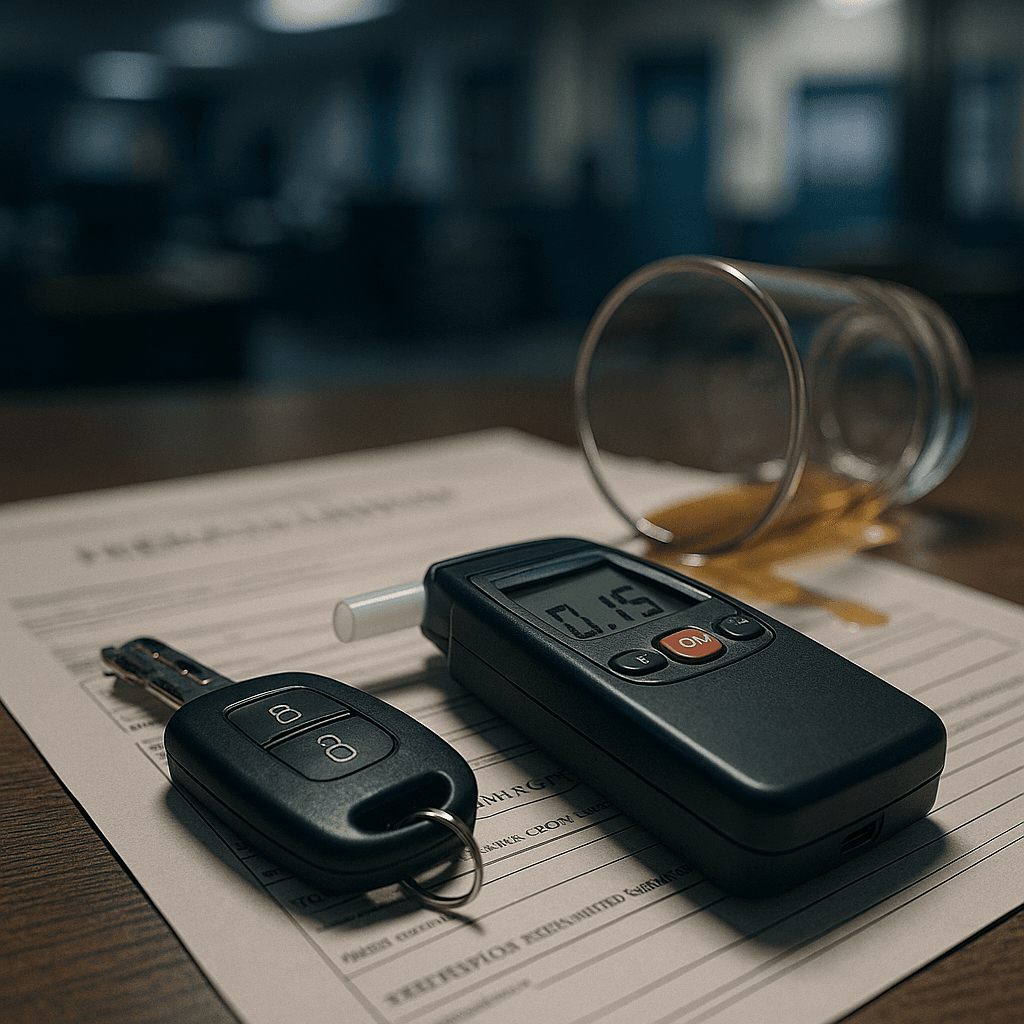
Patent Law Office in New York City'S Patent Law Response Strategy
Patent Law Office in New York City's Guide: Comprehensive Patent Search, Strategic USPTO Prosecution, and Federal Court EnforcementA law office in New York City specializing in patent law provides comprehensive legal guidance for inventors, businesses, and organizations seeking to protect their intellectual property. Patent law requires specialized expertise in federal regulations, USPTO procedures, and litigation strategy. Our law office in New York City delivers tailored patent law services to clients throughout the metropolitan area and beyond.
阅读更多
High Net Worth Divorce Attorney | Complex Asset Division & Protection
Navigating high-stakes splits requires an elite divorce attorney skilled in asset division, hidden wealth tracing, and tax protection. Our firm delivers discreet legal solutions to safeguard your financial future.
阅读更多

International Antitrust Damages Litigation Defense Attorney Guide
The FTAIA limits what a US court can reach. Conduct involving non-import foreign commerce supports a Sherman Act claim only if it has a direct, substantial and reasonably foreseeable effect on US domestic or import commerce and that effect gives rise to the claim. In Motorola Mobility v. AU Optronics (7th Cir. 2015) a parent could not recover on components its foreign subsidiaries bought abroad and assembled into goods sold here. Import commerce is outside the statute altogether, so characterizing the sales is the first question in any cartel case rather than the last. Settlement is not global even when negotiated that way. A US release does not bar a follow-on damages claim in the EU, the Netherlands or Germany, where claimants purchase and aggregate assignments, and a leniency statement given in one jurisdiction may be discoverable in another. Resolving the US exposure first can therefore raise the price of the European claims.
阅读更多

What Legal Risks Commonly Arise in a Fintech Case?
A fintech case involves civil or regulatory disputes centered on technology-enabled financial services, including claims of fraud, contract breach, securities violations, data theft, or regulatory noncompliance in digital payment, lending, or investment platforms. Fintech cases often turn on statutory compliance with securities laws, banking regulations, and consumer protection frameworks, with procedural defects in notice, disclosure, or regulatory filings creating dismissal or liability exposure. Courts examine whether a fintech platform operated under proper licensing, disclosed material risks, and safeguarded customer data according to applicable state and federal law. This article addresses the legal domains investors encounter in fintech disputes, including regulatory posture, evidence standards, timing risks, and strategic considerations before engaging counsel.
阅读更多
