法律资讯

Claiming Compensation for Spouse Infidelity
Navigating the emotional and legal aftermath of spouse infidelity in the State of New York requires a strategic approach to secure fair compensation for emotional harm. While New York is a no-fault divorce state, victims of infidelity can still pursue civil claims related to the breach of marital trust and the resulting distress. This guide explores the formal procedures for filing a claim, the rigorous evidence standards required by the court, and the factors used to evaluate compensation amounts. Understanding these legal pathways is essential for protecting your rights and achieving financial closure after a betrayal.
阅读更多

Workplace Surveillance Laws: Rights and Legal Strategies in New York
Workplace surveillance laws regulate employee privacy and employer monitoring limits under New York legal protections. Workplace surveillance laws balance operational security against personal privacy rights. Under New York law, employers monitoring digital communications, phone calls, or physical locations must comply with mandatory written notice requirements and federal privacy statutes. Understanding these boundaries helps employees protect their legal rights and assists businesses in maintaining statutory compliance.
阅读更多

Why Is Suitability Critical in a Derivatives Transaction Dispute?
Derivatives transactions are complex financial instruments where value derives from underlying assets, and understanding their legal framework helps consumers navigate potential risks and obligations. These instruments include futures, options, swaps, and forward contracts, each carrying distinct regulatory oversight and counterparty exposure. Consumers entering derivatives markets face documentation requirements, margin obligations, and potential losses that can exceed initial investment. From a practitioner's perspective, the legal architecture governing derivatives involves federal commodity and securities law, state contract law, and increasingly rigorous disclosure standards designed to protect retail participants.
阅读更多

Medicaid Near Me Enrollment Requirements and Provider Compliance Steps
Medicaid Near Me explains provider enrollment requirements, compliance obligations, audit risks, and participation rules in New York. Medicaid Near Me helps healthcare providers understand enrollment requirements, credential verification, and participation standards. This guide explains documentation obligations, audit risks, compliance expectations, and Medicaid billing responsibilities. Organizations seeking Medicaid Near Me information can use these steps to maintain eligibility and comply with state Medicaid requirements.
阅读更多

Assault Charges in New York: Misdemeanor Versus Felony Explained
Third-degree assault is a misdemeanor. Everything above it is a violent felony, and that line is drawn by three things. The injury. New York distinguishes physical injury from serious physical injury, and the definitions are statutory rather than intuitive. Which one the prosecution can prove often determines the degree charged. Whether an instrument was used. A dangerous instrument elevates the charge, and the term reaches far beyond weapons — courts have applied it to ordinary objects used in a particular way. Who the complainant is. Assaults on police officers, emergency medical personnel, and complainants above a certain age carry their own elevated degrees regardless of the injury involved. The consequence of crossing that line is not a longer sentence. It is a mandatory one. Violent felony convictions in New York carry minimum prison terms a judge cannot go below. Misdemeanor assault carries no such floor, and most such cases resolve without incarceration. And the conviction outlasts the sentence. A violent felony affects employment, professional licensing, firearm eligibility, and — for anyone who is not a citizen — immigration status, in ways that do not expire when the sentence does.
阅读更多
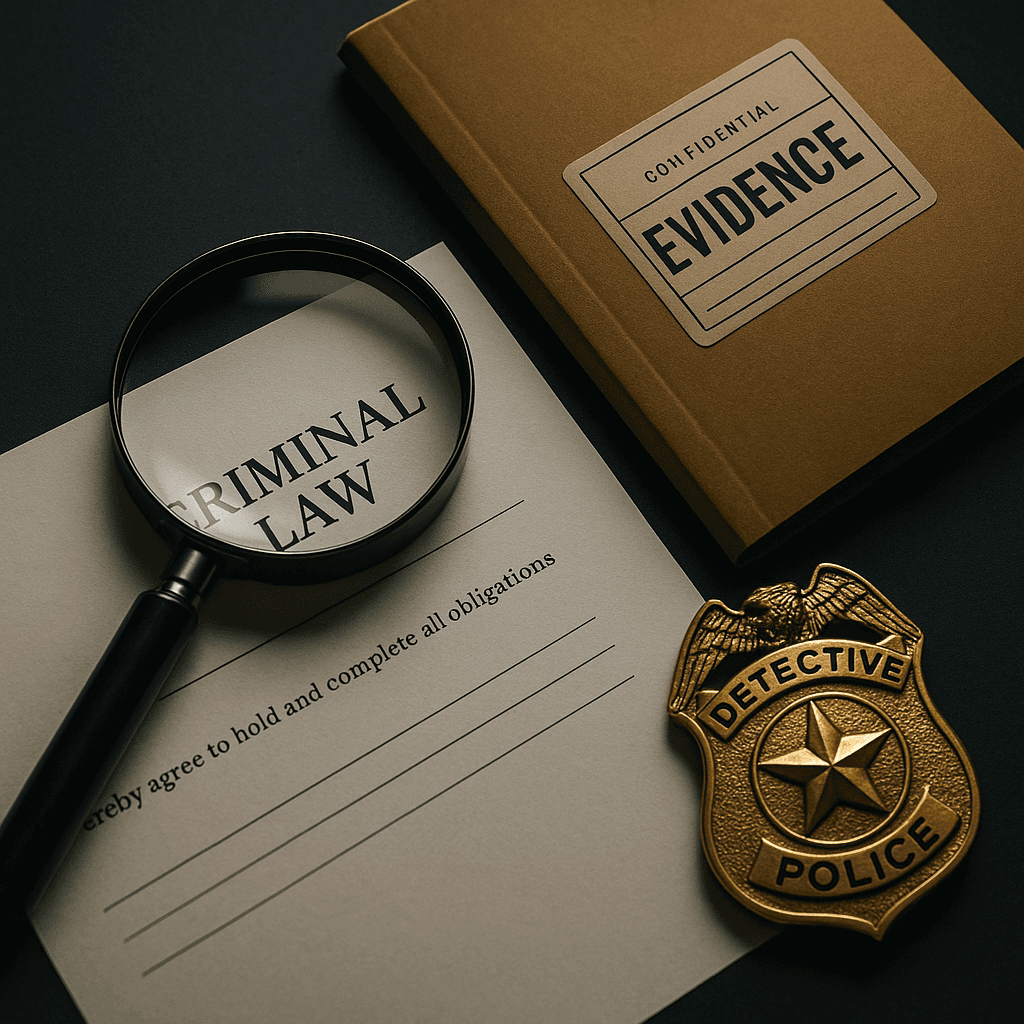
Best Labor Lawyer NYC Guidance on Fair Labor Standard Act Wage Protection
Best Labor Lawyer NYC Attorney’s Core Strategies for Fair Labor Standard Act Cases:• The Fair Labor Standard Act guarantees minimum wage, overtime pay for hours over 40 per week, and strict payroll recordkeeping requirements, with New York law often providing stronger parallel protections.• Common violations include employee misclassification, unpaid off-the-clock work, and improper wage deductions, all of which may entitle workers to back pay and liquidated damages.• FLSA claims in New York are frequently litigated in federal district courts and may proceed as collective actions, allowing multiple employees to pursue unpaid wages together. Navigating employment law in New York City requires expertise in federal regulations that protect workers. The Fair Labor Standard Act establishes minimum wage, overtime, and recordkeeping requirements that employers must follow. A best labor lawyer in NYC understands how the FLSA applies to your situation, and can help you recover wages, challenge employer violations, or defend against claims. This guide explains the FLSA, your rights, and how New York courts handle these disputes.
阅读更多