法律资讯

What Are Administrative Legal Services for New York Businesses?
Administrative legal services help New York businesses secure licenses, meet regulatory requirements, and stay compliant with the government agencies that oversee them. If you run a company, these services cover the practical work of gaining official approval to operate and keeping that approval in good standing. In New York, that usually means working with bodies such as the Department of State, the Department of Health, and city licensing offices. This guide explains what administrative legal services include, which industries depend on them, and how to choose the right provider for your business.
阅读更多

3 Appellate Strategies Keys by a New York Appellate Lawyer
New York Appellate Lawyer’s 3 Key Insights: Comprehensive Legal Analysis, Persuasive Brief Writing, and Rigorous Record Review for Error PreservationWhen a trial court decision does not go as planned, an appeal may provide a pathway to challenge that judgment. A New York appellate lawyer specializes in representing clients before appellate courts, where legal arguments and procedural compliance take center stage. An appellate litigator focuses on written briefs, oral arguments, and the nuanced rules that govern review at the appellate level. This guide explains the role of appellate counsel, the appellate process in New York, and how skilled representation can influence outcomes.
阅读更多
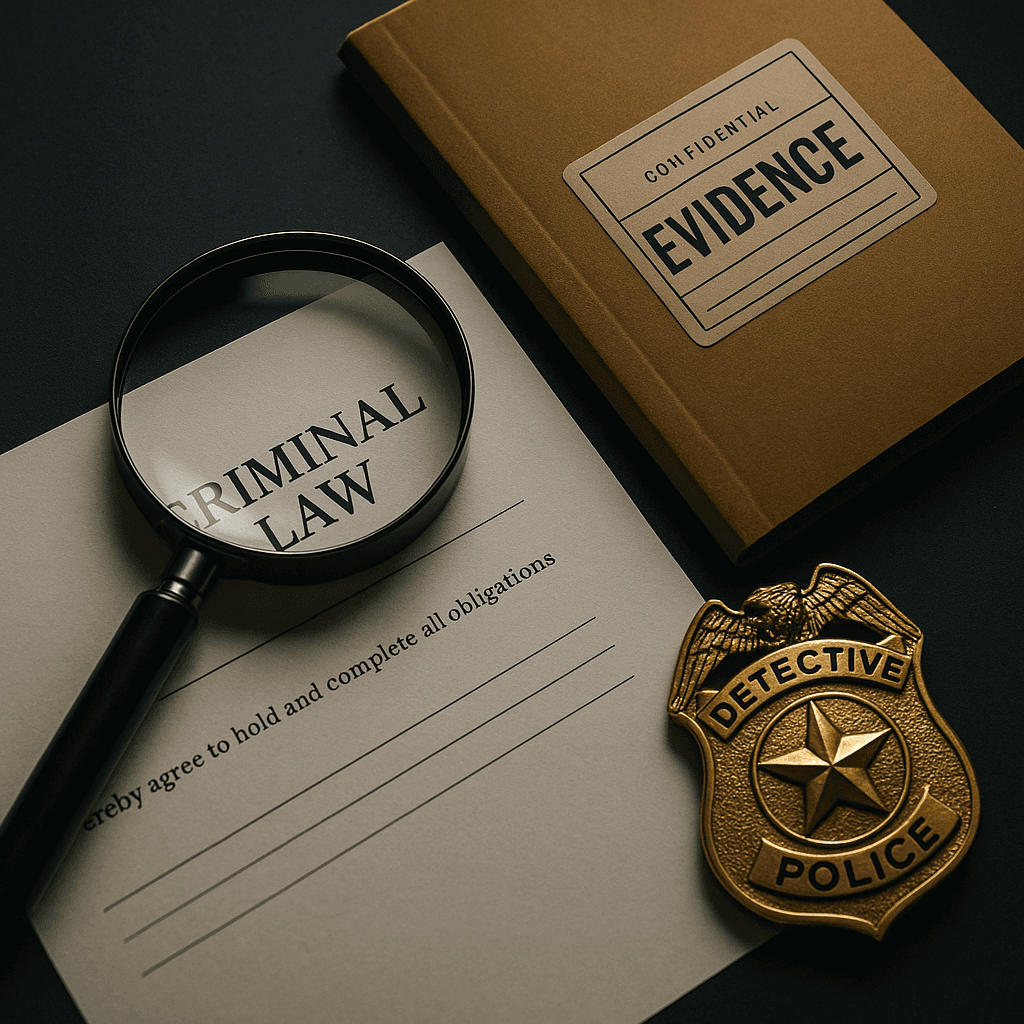
Unauthorized Use of Protected Marks
In New York, the unauthorized use of protected marks, commonly referred to as trademark law violations, can lead to both civil and criminal consequences. This article outlines the standards that define infringement, the consequences for offenders, and the proper legal response when such accusations arise. Understanding these laws is crucial for businesses and individuals operating within the state to safeguard their intellectual property or avoid liability.
阅读更多

How Can Aml Regulatory Audits Detect Transaction Structuring?
Anti-Money Laundering (AML) regulatory compliance is a set of legal obligations imposed on financial institutions, money services businesses, and certain other entities to detect, report, and prevent the movement of illicit funds through the financial system. The regulatory framework rests on customer identification, suspicious activity monitoring, and reporting obligations that vary by entity type and jurisdiction. Failure to implement adequate AML controls exposes your organization to civil penalties, criminal liability, operational disruption, and reputational harm. This article addresses the core procedural requirements, customer due diligence obligations, common compliance gaps, and enforcement exposure under federal AML statutes and state regulatory standards.
阅读更多
Judgment Debtors: What You Need to Know before Creditors Act
Judgment debtors in New York face wage garnishment, bank levies, and forced asset disclosure under CPLR Article 52; knowing your exemptions and defenses is essential to protecting what you own. The single most damaging mistake I see judgment debtors make is treating a signed court order as the end of the matter; enforcement has only just begun. New York law does provide real protections, including homestead exemptions under CPLR 5206 and wage garnishment caps, but those protections must be actively claimed. Judgment debtors who act quickly, identify exempt assets, and prepare for supplementary proceedings are far better positioned than those who wait.
阅读更多

How TLC Administrative Litigation Works in New York City
For TLC licensees and NYC transportation businesses, administrative litigation follows agency-specific rules, compressed timelines, and evidentiary standards that differ from standard civil practice. A TLC enforcement notice is not the beginning of a lawsuit. It opens an administrative process most civil attorneys rarely encounter. Hearings take place before administrative law judges, discovery is limited, and the record built here determines what any court can consider later.
阅读更多