


Practice Areas
Failure to Take Measures After an Accident/Hit-and-Run
Failure to take measures after an accident refers to a driver who has caused a traffic accident leaving the scene of the accident without taking the measures prescribed under the Road Traffic Act, and it is also called hit-and-run.
1. Failure to Take Measures After an Accident/Hit-and-Run | Concept

Failure to take measures after an accident/hit-and-run refers to a person who has caused a traffic accident leaving the scene without taking the necessary measures.
Under the Road Traffic Act, where a traffic accident occurs, the driver must immediately stop, take measures such as aiding the casualties, and provide the victim with their personal information.
Where the driver fails to take these measures or flees out of fear of punishment, a more severe punishment is imposed.
2. Failure to Take Measures After an Accident/Hit-and-Run | The Driver's Obligations
When a traffic accident occurs, the driver of the vehicle or tram that caused the accident must, under Article 54 of the Road Traffic Act, fulfill the following obligations.
This is a legal obligation intended to secure the safety of the victim and to prevent further harm by promptly taking the necessary measures after the accident.
Duty to Stop Immediately and Take Measures
As soon as an accident occurs, the driver must stop the vehicle and take the following measures without delay.
• Aid to the Casualties
If there are injured persons or fatalities, relief measures must be taken immediately, and in emergency situations, prompt first aid and a request for medical assistance are necessary.
• Providing Personal Information to the Victim
The driver must inform the victim of personal information such as name, telephone number, and address.
Duty to Report
If a police officer is present at the scene of the accident, the driver and others must report the accident to that officer; if no officer is present, they must immediately report the following matters to the nearest national police agency (such as a community police office or police substation).
• The number of casualties and the extent of their injuries
• The damaged property and the extent of the damage
• Other necessary measures
However, where only a vehicle or a tram is damaged and necessary measures have been taken to prevent danger on the road and to ensure the smooth flow of traffic, the duty to report is exempted.
Duty to Comply with Police Instructions
A police officer who receives the report may, if the officer determines it necessary to provide aid to the injured at the scene and to prevent traffic hazards, order the driver and others to remain at the scene, and the driver and others must comply with the officer's instructions.
In the case of an emergency vehicle or a vehicle transporting an injured person, a passenger may carry out the post-accident measures and reporting on the driver's behalf, and the driver may continue driving in the emergency situation.
3. Failure to Take Measures After an Accident/Hit-and-Run | Punishment

If a driver fails to perform the above duties or leaves the scene when a traffic accident occurs, the driver is subject to strict punishment under the Road Traffic Act.
▶ Road Traffic Act Article 148 (Penalty Provisions)
A person who fails to take measures when a traffic accident occurs | Imprisonment for not more than 5 years or a fine of not more than 15 million won |
In addition, where a person obstructs another who is attempting to perform the duty to take measures after an accident, or obstructs such an act, that person is subject to the following punishment.
▶ Road Traffic Act Article 153 (1) 5
A person who obstructs the taking of measures or the reporting upon the occurrence of a traffic accident | Imprisonment for not more than 6 months, a fine of not more than 2 million won, or detention |
Failure to Take Measures After an Accident/Hit-And-Run, Cases of Aggravated Punishment
Where, in a situation in which a victim has died or been injured in a traffic accident, the driver leaves the scene without performing duties such as providing aid to the victim, very severe aggravated punishment applies under Article 5-3 of the 『Act on Aggravated Punishment of Specific Crimes』.
Where the driver causes the death of the victim and flees | Life imprisonment or imprisonment for at least 5 years |
Where the driver causes injury to the victim and flees | Imprisonment for a definite term of at least 1 year or a fine of at least 5 million won and not more than 30 million won |
Where the driver causes the death of the victim, moves the victim from the scene, abandons the victim, and flees | Death penalty, life imprisonment, or imprisonment for at least 5 years |
Where the driver causes injury to the victim, moves the victim from the scene, abandons the victim, and flees | Imprisonment for a definite term of at least 3 years |
※ The Meaning of Fleeing
This serves as a basis for assessing the driver's legal liability more heavily. (Supreme Court Decision 2004Do250, March 12, 2004)
4. Failure to Take Measures After an Accident/Hit-and-Run | Response Methods
If you become subject to a police investigation for failure to take measures after an accident or a hit-and-run, a careful and systematic response is very important.
Preparation Before Making a Statement
Before the investigation, it is advisable to organize the circumstances at the time of the accident and to secure relevant materials such as witness statements and dashcam footage.
Because whether criminal punishment is imposed may differ depending on the circumstances of the case, confirming the facts is very important.
Consulting with an attorney experienced in this area and preparing anticipated questions and answers in advance can help to enhance the consistency and credibility of later statements.
Statements Based on Facts
Investigative agencies place importance on the consistency and specificity of statements, so one should rely on memory while strictly refraining from making false statements.
Conveying one's position consistently and based on objective facts can help to lead to a favorable determination.
Refraining from Emotional Responses
During the investigation, one should refrain from emotional reactions and maintain a calm attitude.
Unnecessary arguments or disputes can worsen the situation, so it is advisable to respond as calmly as possible.
5. Failure to Take Measures After an Accident/Hit-and-Run | Importance of Legal Assistance
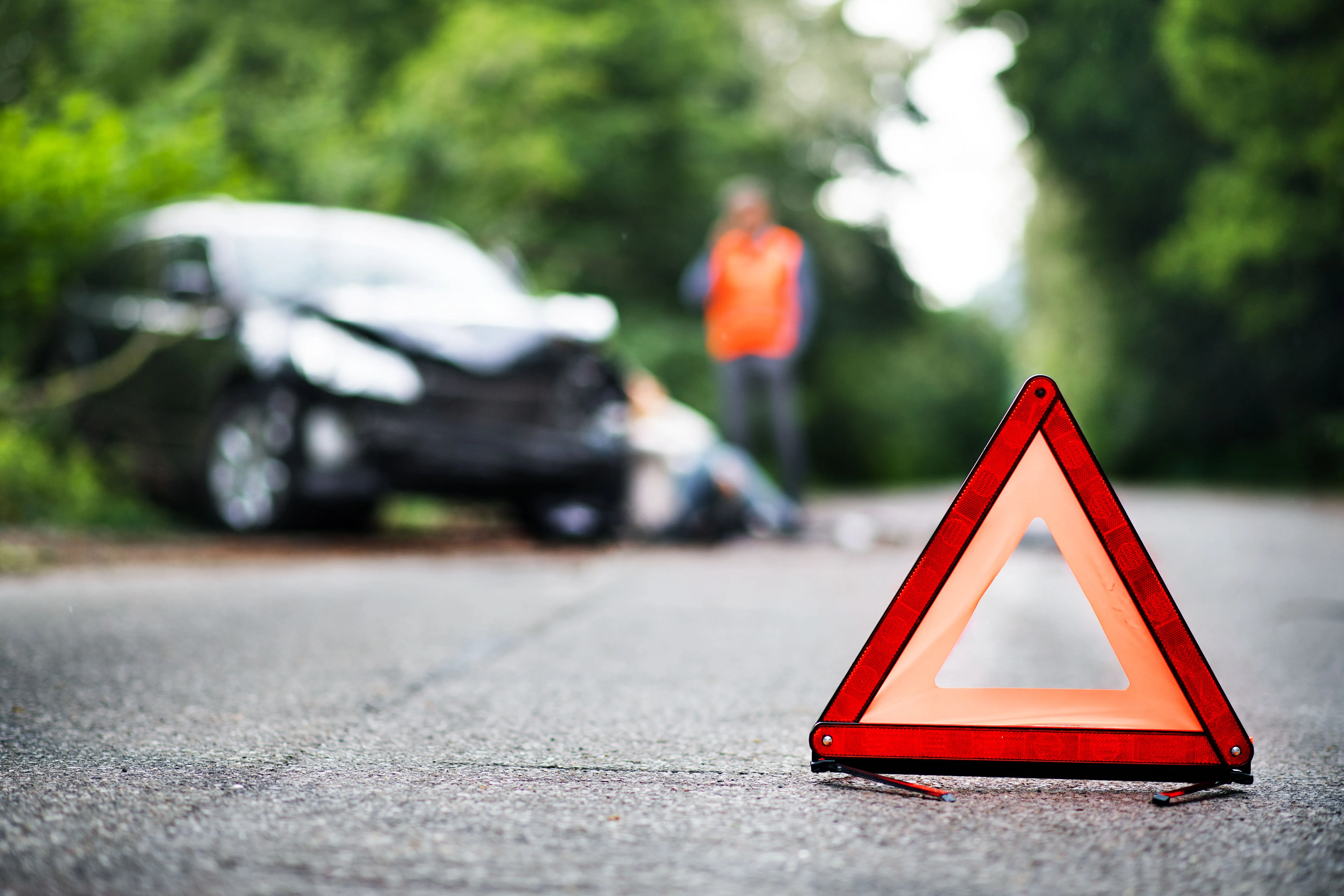
Unlike ordinary traffic accidents, cases of failure to take measures after an accident or hit-and-run make the initial response very important, owing to the gravity of the matter and the possibility of criminal punishment.
From the investigation by the investigative agency to the determination of whether to indict and the sentencing, a legal strategy and a professional response are needed, so it is advisable to receive the assistance of an attorney experienced in this area and to clearly establish the direction of the response.
Drawing on its experience handling numerous cases of failure to take measures after an accident and hit-and-run, this firm establishes a systematic response strategy through accurate identification of the facts and analysis of the legal issues from the early stage of a case.
The firm also helps to prevent unfavorable statements through mock investigation simulations similar to an actual police investigation, and it prepares practical solutions such as settlement with the victim and the securing of evidence.
If you are being investigated on suspicion of failure to take measures after an accident or hit-and-run, or are concerned about punishment, 🔗a traffic accident attorney may assist you in establishing a response strategy together.

Related Information
Explore legal information related to this case.
Penalty Points for a Fatal Accident: Disposition Standards a Traffic Accident Offender Should Confirm
A Vehicle-to-Pedestrian Accident: A Guide to Responding When Determining the Level of Punishment and Calculating the Settlement Amount
Non-Contact Traffic Accident Involving Personal Injury: The Standard for Determining the Fault Ratio and Criminal Punishment
Daeryun's Key Strengths


Litigation strategy using Daeryun's own AI & IT technology

More than 240 key members

1,200+ cases handled per month
* 2025년 월평균 기준
Complies with Korean Bar Association Advertising Regulations Article 4 (1)
more strengths

Book a legal
consultation with an attorney
All consultations are reviewed by a specialized attorney first,
so they are conducted by appointment only.
Phone consultation
1800-7905
Available 24 hours a day, 365 days a year


Online consultation
We provide tailored
legal services for our clients.

Chat consultation
KakaoTalk channel
Daeryun Law LLC Attorneys
Related Members
View more
Kuk Il KIM
T. 070-5117-2950
Experience as chief prosecutor of Seoul Central District Prosecutors' Office and head of Goyang Branch of Uijeongbu District Prosecutors' Office



Key Case Studies
View more- Non-prosecution
The Changwon Traffic Accident Attorney Defended Against Punishment With a Non-prosecution Disposition for a Client Reported by Her Husband for Hit-and-Run Causing Injury

- Non-prosecution
Career Service Member Facing a Military Prosecutors' Investigation, Case Concluded with Non-Prosecution by a Gangnam Traffic Accident Attorney
- Suspended Sentence
Drunk Driving and Hit-and-Run Causing Injury, 'Suspended Sentence' Defended with the Assistance of a Uijeongbu Hit-and-Run Attorney
Related Practice Areas
View moreConsult in other languages


Popular Columns
View moreSentencing for Drunk Driving: the Severity of Punishment by Blood Alcohol Concentration and the Mandatory Ignition Interlock Device
The Twelve Categories of Gross-Negligence Traffic Accidents (twelve serious traffic-law violations under the Act on Special Cases concerning the Settlement of Traffic Accidents): From Insurance Compensation Rules to the Standards for Fines and Actual Custodial Sentences in Car Accidents
A Complete Guide to Methods for Calculating Fault Ratios in Automobile Accidents and Dispute Resolution Approaches
Examining the Strengthened Punishment Standards for Hit-and-Run and First-Offense Cases
Examining the Penalties for Property-Damage Hit-and-Run and How to Reach a Settlement
Do you have more questions?






