


Practice Areas
Document Forgery/Alteration
Document forgery/alteration is a crime that is established by forging or altering a document and then using it. Forging or altering an official or private document, or using such a document, results in criminal punishment.
1. Document Forgery/Alteration | Definition
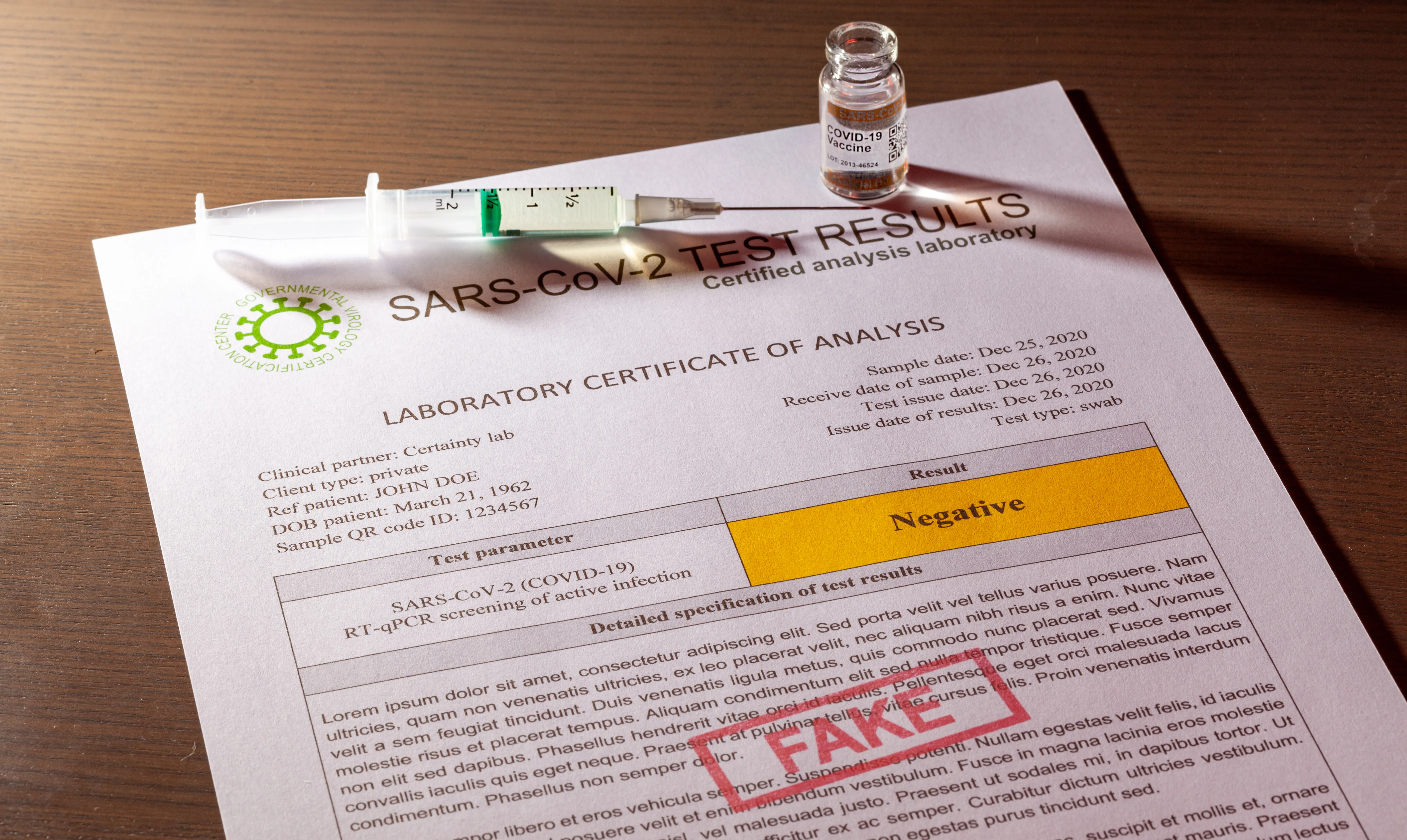
In document forgery/alteration, forgery and alteration are legal terms relating to documents and other securities, and although both refer to the act of creating something that is not genuine, the methods differ.
Forgery is the creation of a new document from the outset in another person’s name by a person without authority, whereas alteration is the modification of the content of a document that has already been genuinely established.
2. Document Forgery/Alteration | Requirements for Establishment
The crime of document forgery/alteration is established where an official or private document is forged or altered, and it is a crime intended to protect public trust in the ‘authenticity’ of documents.
It is therefore regarded as a serious crime that, beyond the infringement of individual rights and interests, undermines the legal order and trust of society as a whole.
In other words, since it is not a crime against individual legal interests, it is treated as a serious matter, and in light of this, it can be seen as an area in which the initial response is important.
Forgery/Alteration of an Official Document
An official document refers to any document prepared or processed by an administrative agency in the course of performing official duties.
Official documents also include various special media records, such as the following.
Forgery and alteration of an official document is established where a document or drawing of a public official or public office is forged or altered with the intent to use it.
However, if the forgery was carried out with the intent to keep it solely for oneself and without the intent to use it, the crime of forgery of an official document is not established.
Forgery/Alteration of a Private Document
A private document refers to a document prepared by an ordinary person, such as an individual or a private corporation.
Private documents include the following types of papers.
Forgery of a private document and alteration are established when a person, with the intent to use it, forges or alters another person's document or drawing relating to rights, duties, or the proof of facts.
In other words, the offense is established when a person who has no right to prepare a document forges or alters it and thereby obtains a benefit.
3. Document Forgery/Alteration | Types and Level of Punishment

Crimes related to document forgery/alteration are divided into various types depending on the target document of the forgery/alteration and the nature of the act, and the applicable statutory provisions and the level of punishment also differ for each.
Below are representative crime types that frequently arise in practice and the punishment provisions applicable to them.
Forgery/Alteration of Official Documents, Private Documents, and the Like
| Criminal Act Article 225 (Forgery/Alteration of Official Documents, etc.) | A person who, with the intent to use it, forges or alters a document or drawing of a public official or public office shall be punished by imprisonment for not more than 10 years. |
| Criminal Act Article 231 (Forgery/Alteration of Private Documents, etc.) | A person who, with the intent to use it, forges or alters another person's document or drawing relating to rights, duties, or the proof of facts shall be punished by imprisonment for not more than 5 years or a fine not exceeding 10 million won. |
Preparation of Official Documents, Private Documents, and the Like by Fraudulent Use of Capacity
| Criminal Act Article 226 (Preparation of Official Documents, etc. by Fraudulent Use of Capacity) | A person who, with the intent to use it, prepares a document or drawing by fraudulently using the capacity of a public official or public office shall be punished by imprisonment for not more than 10 years. |
Preparation of a False Official Document, and the Like
| Criminal Act Article 227 (Preparation of a False Official Document, etc.) | When a public official, with the intent to use it, falsely prepares or alters a document or drawing relating to his or her duties, the person shall be punished by imprisonment for not more than 7 years or a fine not exceeding 20 million won. |
Preparation of a False Medical Certificate, and the Like
| Criminal Act Article 233 (Preparation of a False Medical Certificate, etc.) | When a doctor, herbal doctor, dentist, or midwife falsely prepares a medical certificate, an autopsy report, or a certificate concerning life or death, the person shall be punished by imprisonment with or without labor for not more than 3 years, suspension of qualifications for not more than 7 years, or a fine not exceeding 30 million won. |
Sentencing Guidelines
* Forgery/Alteration of a Private Document, etc.
▷ Where the ultimate aim of the crime was not achieved, so that the social danger did not materialize
▷ Mental and physical weakness (without the person's fault)
▷ Voluntary surrender
▷ Passive participation
▷ Where the altered portion accounts for a relatively small share of the document as a whole
▷ Where the benefit gained through the offense, or the resulting social and economic harm, is minor
▷ No record of criminal punishment
▷ Sincere remorse
* Forgery/Alteration of Official Documents, etc.
▷ Where the ultimate aim of the crime was not achieved, so that the social danger did not materialize
▷ Mental and physical weakness (without the person's fault)
▷ Voluntary surrender
▷ Passive participation
▷ Where the altered portion accounts for a relatively small share of the document as a whole
▷ In the case of false entry in the original of an authentic deed or the use thereof
▷ No record of criminal punishment
▷ Sincere remorse
4. Document Forgery/Alteration | If You Are Implicated in a Charge

Because the outcome of a document forgery/alteration charge can vary significantly depending on the circumstances of the case and the evidence secured, it is important to carefully establish a response strategy suited to one’s situation and to respond in a systematic manner.
Assessing the Initial Situation
If you become involved in a document forgery/alteration case, the first priority is to accurately understand what legal issues your conduct may raise.
Because the direction of the response will differ depending on what the investigative authorities may take issue with and whether the allegation is true, it is advisable to organize the matter from an objective perspective.
Confirming the Facts and Securing Evidence
Securing evidence is central to proving or defending one's conduct.
Where the allegation is denied, it is necessary to gather materials that can prove who actually prepared the document, the circumstances of its preparation, and whether the original exists.
Conversely, where the fact of forgery is admitted, it is advisable to prepare materials supporting points such as the circumstances and purpose of the forgery and the fact that the scope of forgery was limited.
Organizing the Content of Your Statement
During the investigative authorities' questioning, the consistency and reliability of statements play a very important role.
Caution is needed, as retracting a statement or attempting unnecessary excuses may instead work to one's disadvantage.
Before questioning, it is advisable to review the direction and content of your statement thoroughly and to avoid expressions that could cause disadvantage.
Legal Review and Preparation of Sentencing Materials
If the matter does not satisfy the elements for document forgery/alteration, it may be possible to argue, on legal grounds, that the conduct lacked unlawfulness or that there was no intent to forge.
It is also advisable to prepare sentencing materials emphasizing points such as that the degree of forgery was minor or that no actual harm occurred.
Organizing and submitting matters such as one's social circumstances, the presence or absence of prior convictions, and the circumstances of the offense may have a positive effect on the reduction of sentence.
5. Document Forgery/Alteration | If It Is Difficult to Respond on Your Own?
If you are involved in the offense of document forgery/alteration, you should begin by organizing the circumstances of the document's preparation and the situation at the time, then clearly determine whether the allegation is true and systematically organize a defense rationale.
Considering that document forgery/alteration cases, by their nature, call for precise analysis of the facts and legal review, this firm forms a task force of 1 to 20 members made up of attorneys experienced in the relevant area and responds strategically from the early stages of the case.
▷ Legal review of whether the offense is established and construction of a rebuttal rationale
▷ Organizing favorable sentencing materials based on the degree of forgery/alteration, the presence or absence of harm, and similar factors
▷ Preparing an investigation response strategy, including the composition of statement content and simulation of the investigation response
▷ Support in preparing various written materials such as letters of remorse, petitions, and settlement agreements
If a document forgery/alteration allegation makes it difficult to respond on your own, you may request the assistance of a criminal attorney at Daeryun Law Firm at any time.


Check out video content
related to this case as well.

Suspect police investigation simulation | Criminal lawyer
Related Information
Explore legal information related to this case.
The Elements of the Offense of Unlawful Use of an Official Document and How to Respond to a Police Investigation
A Legal Guide to the Fine and Level of Punishment for Forgery of a Private Document and to a Suspect's Response
Forgery or Alteration of a Private Document: The Standard for Establishing the Charge and How to Respond to a Police Investigation
Daeryun's Key Strengths


Litigation strategy using Daeryun's own AI & IT technology

More than 240 key members

1,200+ cases handled per month
* 2025년 월평균 기준
Complies with Korean Bar Association Advertising Regulations Article 4 (1)
more strengths

Book a legal
consultation with an attorney
All consultations are reviewed by a specialized attorney first,
so they are conducted by appointment only.
Phone consultation
1800-7905
Available 24 hours a day, 365 days a year


Online consultation
We provide tailored
legal services for our clients.

Chat consultation
KakaoTalk channel
Daeryun Law LLC Attorneys
Related Members
View more

Key Case Studies
View more- Suspended sentence
Facing an Actual Sentence for Forgery of a Private Document, Defended Down to a Suspended Sentence With Daeryun's Assistance

- Suspended sentence
A Client Charged With Forging an Official Document Obtains a Suspended Sentence With Daeryun's Help Through a Daejeon Attorney Referral
- Acquittal / Not guilty
Sued over Preparing a Notarial Deed in the Company Representative's Name, but Won an Acquittal
Related Practice Areas
View moreConsult in other languages


Popular Columns
View moreThe Meaning of Non-Referral, and Are There Differences Among the Types of Decisions?
Establishment of the Crime of Fraud: Determining the Requirements, Case Analysis, and Sentencing Guidelines
Criminal Record Inquiry and Expungement: How to Avoid Disadvantages
The Police Investigation Process, Methods of Response, and Tips for Giving Statements
Criminal Cases: Litigation Procedure, Types of Dispositions, and How to Respond
Do you have more questions?






