


Practice Areas
Violation of the Protection of Communications Secrets Act
A representative form of violation of the Protection of Communications Secrets Act is unlawful wiretapping. If a violation of the Protection of Communications Secrets Act is detected, a high level of punishment may be imposed, so caution is needed.
1. Violation of the Protection of Communications Secrets Act | Concept

A violation of the Protection of Communications Secrets Act refers to the act of recording or listening, without authorization, to a conversation between others that has not been disclosed, and the act of divulging information obtained by such means.
This Act was enacted to protect the secrecy of communications and conversations and to guarantee the freedom of individual communication.
Violating Conduct
Acts that violate the Protection of Communications Secrets Act are as follows.
▶ Recording a non-public conversation between others
▶ Listening to a non-public conversation between others using an electronic device or similar means
▶ Using content obtained through unlawful censorship as evidence in a trial or disciplinary proceeding
Conduct That Does Not Constitute a Violation
Recording a conversation in which one personally takes part does not constitute a violation of the Protection of Communications Secrets Act.
For example, recording the contents of a meeting one attended, or recording a phone call conveying work instructions received from a supervisor in order to refer to it for work, does not raise a legal problem.
[Supreme Court, October 12, 2006, Judgment 2006Do4981]
In a conversation among three persons, where one of them records the conversation, the statements of the other two persons cannot be regarded as a “conversation between others” in relation to the person making the recording, and therefore such recording cannot be deemed to violate Article 3(1) of the Protection of Communications Secrets Act.
Admissibility of Unlawfully Collected Conversation Records
Mail or telecommunications content that is obtained unlawfully in violation of the Protection of Communications Secrets Act, or by a state agency through censorship or similar means, cannot be used as evidence in a trial or disciplinary proceeding.
In other words, evidence that is collected unlawfully is not recognized as admissible even if its content is true.
This applies equally not only to unlawful wiretapping by a state agency but also to cases in which a private individual unlawfully records another person's communications.
2. Violation of the Protection of Communications Secrets Act | Penalty Levels
The penalties for a violation of the Protection of Communications Secrets Act are as follows.
▷ Article 16 of the Protection of Communications Secrets Act
Conduct | Penalty |
Censoring mail or wiretapping telecommunications |
Imprisonment with labor for not less than 1 year and not more than 10 years and |
Recording or listening to an undisclosed conversation between others | |
Disclosing or divulging the contents of a communication or conversation learned unlawfully |
Sentencing Guidelines
▷ A motive for the offense worth taking into account
▷ Where the harm or damage caused by the offense is minor
▷ Where the offense was committed with willful negligence (dolus eventualis)
▷ Mental and physical weakness (without fault of the offender)
▷ Voluntary surrender, whistleblowing, or full and voluntary disclosure of the entire scope of an organized offense
▷ No wish for punishment, or recovery of damages (including deposit in court)
▷ Genuine reflection
▷ No prior criminal punishment
▷ General cooperation with the investigation
Penalty Levels as Seen Through Relevant Case Law
[Cheongju District Court, judgment of November 11, 2022, 2022 Gohap 247]
The defendant then sent the recording file to a KakaoTalk chat room, and in this process, violation of the Protection of Communications Secrets Act was applied on the charge of recording an undisclosed conversation between others and divulging it.
In response, the court sentenced the defendant to a suspended sentence together with suspension of qualifications for one year.
[Uijeongbu District Court, judgment of September 8, 2021, 2020 Gohap 340]
As a result, this was deemed to be the unauthorized recording of an undisclosed conversation between others, and a charge of violation of the Protection of Communications Secrets Act was applied, and the court sentenced the defendant to a suspended sentence and suspension of qualifications for one year.
3. Violation of the Protection of Communications Secrets Act | Methods of Response

If you have been reported on suspicion of violating the Protection of Communications Secrets Act, you should first clearly ascertain whether your conduct constitutes the 'recording or listening to a conversation between others that has not been disclosed' prohibited by the Act, and in what manner that conduct was carried out.
Along with this, it is necessary to accurately organize the related facts, such as the circumstances of the incident, the subject, the manner of recording or listening, and whether it was transmitted, and to prepare materials that can prove these facts.
Points to note when responding alone
▷ Clearly ascertaining the specific facts of the suspicion from the complaint or the notice from the investigative authority
▷ Organizing the facts with a focus on whether the communication was in a non-disclosed state and whether you took part in the conversation
▷ Preserving and analyzing objective materials related to the incident, such as recordings, text messages, messenger logs, and CCTV
▷ Refraining from emotional words and conduct during the investigation, and responding based on facts
When Denying the Charges
If you conclude that your conduct does not constitute conduct prohibited by the Protection of Communications Secrets Act, you should prepare in advance so that you can clearly explain the reasons during the investigation and trial process.
Points to note when responding on your own
▷ Record the details of how, where, and by what method the recording or listening occurred, and the circumstances at the time
▷ Secure evidence that can support whether the communication was public (an open meeting, the number of attendees, the openness of the location of the conversation, and the like)
▷ Maintain consistent statements in investigative procedures such as the interrogation of the suspect
▷ When submitting evidence, sufficiently review the scope of application and the requirements of the relevant statutes
Seeking a Reduction of Sentence
If you do not contest the charge itself but seek a reduction of sentence at the sentencing stage, it is necessary to build the argument around the circumstances of the act, the motive, the degree of harm, whether there is genuine remorse, and efforts to prevent recurrence.
Whether the actual motive for the recording was a work-related need, and whether there was any external disclosure, may also be considered as sentencing factors.
Points to note when responding on your own
▷ Accurately ascertain whether the recorded content was disclosed externally, the scope of dissemination, and similar matters, and organize the facts
▷ Prepare materials for mitigation, such as a letter of apology, an apology to the victim, and measures to restore the harm
▷ Organize circumstances that may be taken into account in sentencing, such as any criminal record, social foundation, and family situation
▷ Sufficiently prepare procedural responses, such as submitting sentencing materials before the pronouncement of judgment
4. Violation of the Protection of Communications Secrets Act | When Assistance Is Needed
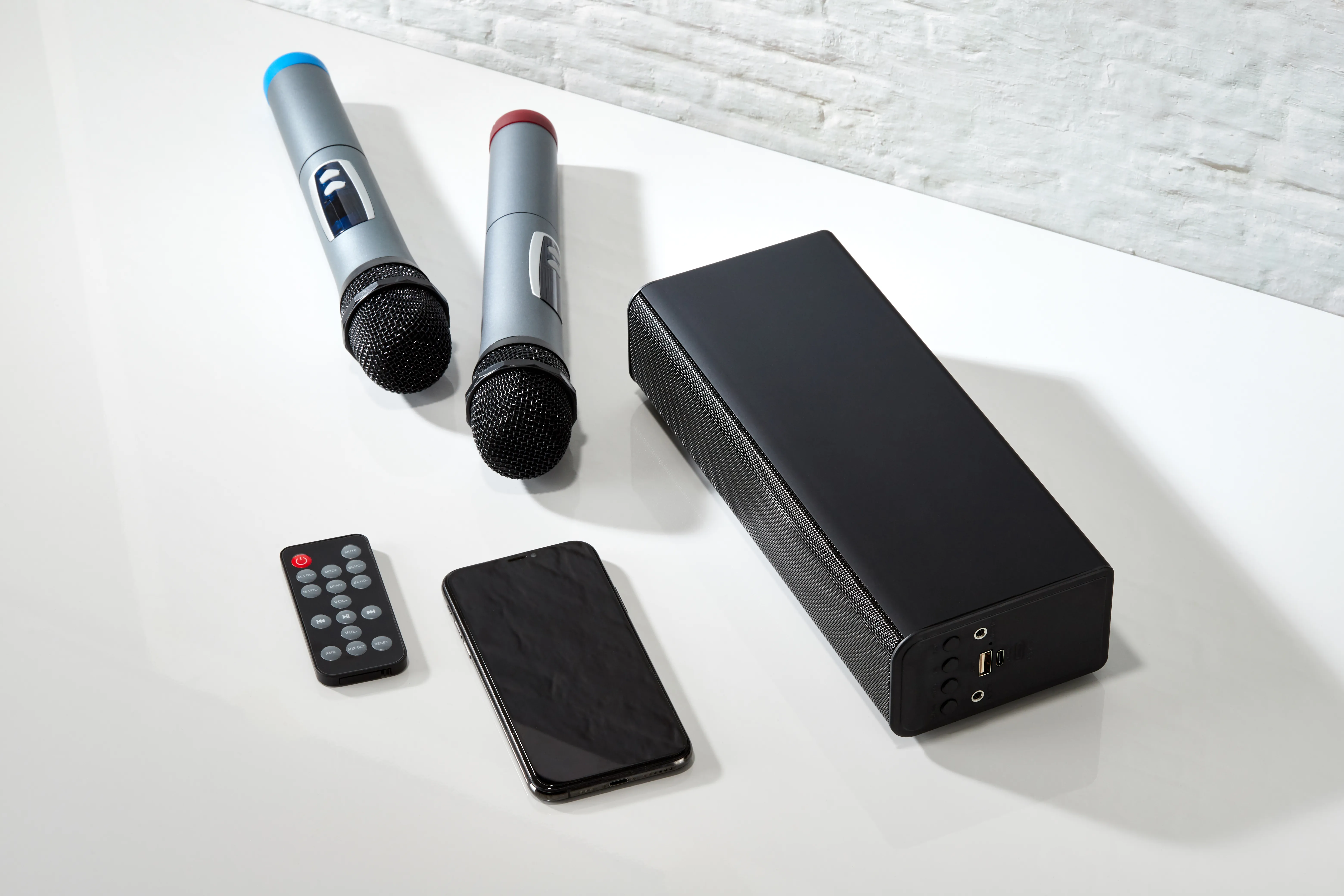
Cases involving violations of the Protection of Communications Secrets Act require a careful approach due to their varied types and complex facts.
In particular, because court interpretations regarding unlawful recording and listening vary, it is advisable to prepare a prompt response from the early stage if you become a suspect.
The firm has many criminal attorneys with an average of more than 10 years of experience, providing comprehensive legal services from the early response to the trial.
The firm also collaborates with its in-house evidence examination center and digital forensics center to promptly assess the legality of evidence related to suspicions of unlawful recording and to prepare a response.
If you are facing difficulties after being involved in a case concerning a violation of the Protection of Communications Secrets Act, please feel free to request the assistance of a criminal attorney at Daeryun Law Firm at any time.

Related Information
Explore legal information related to this case.
Types of Insurance Fraud | The Main Types of Insurance Fraud, the Punishment Standards, and How to Respond to an Investigation
Civil and Criminal Response Procedures for Recovering Losses from Monetary Fraud and Money Dealings
The Criteria for Child Neglect, the Level of Punishment, and a Guardian's Response Strategy
Daeryun's Key Strengths


Litigation strategy using Daeryun's own AI & IT technology

More than 240 key members

1,200+ cases handled per month
* 2025년 월평균 기준
Complies with Korean Bar Association Advertising Regulations Article 4 (1)
more strengths

Book a legal
consultation with an attorney
All consultations are reviewed by a specialized attorney first,
so they are conducted by appointment only.
Phone consultation
1800-7905
Available 24 hours a day, 365 days a year


Online consultation
We provide tailored
legal services for our clients.

Chat consultation
KakaoTalk channel
Daeryun Law LLC Attorneys
Related Members
View more

Key Case Studies
View more- Suspension of indictment
Non-Prosecution Case: A Case in Which a Suspension of Indictment Was Obtained With the Assistance of a Gunsan Divorce Attorney

- Suspended sentence
With the Assistance of a Wonju Criminal Law Specialist Attorney, a Suspended Sentence for the Protection of Communications Secrets Act
Related Practice Areas
View moreConsult in other languages


Popular Columns
View moreThe Meaning of Non-Referral, and Are There Differences Among the Types of Decisions?
Establishment of the Crime of Fraud: Determining the Requirements, Case Analysis, and Sentencing Guidelines
Criminal Record Inquiry and Expungement: How to Avoid Disadvantages
The Police Investigation Process, Methods of Response, and Tips for Giving Statements
Criminal Cases: Litigation Procedure, Types of Dispositions, and How to Respond
Do you have more questions?






