




Класс, где одна-единственная брошенная книга причиняет особую травму... «Школьное насилие» накапливается в суде

2026-05-11
Число специализированных судов увеличилось вдвое... Количество дел, рассмотренных школьным комитетом по борьбе с насилием, также увеличилось на 78% за 4 года.
После объединения Управления образования путь вмешательству учителей был заблокирован... Связь между преступником и жертвой прервана.
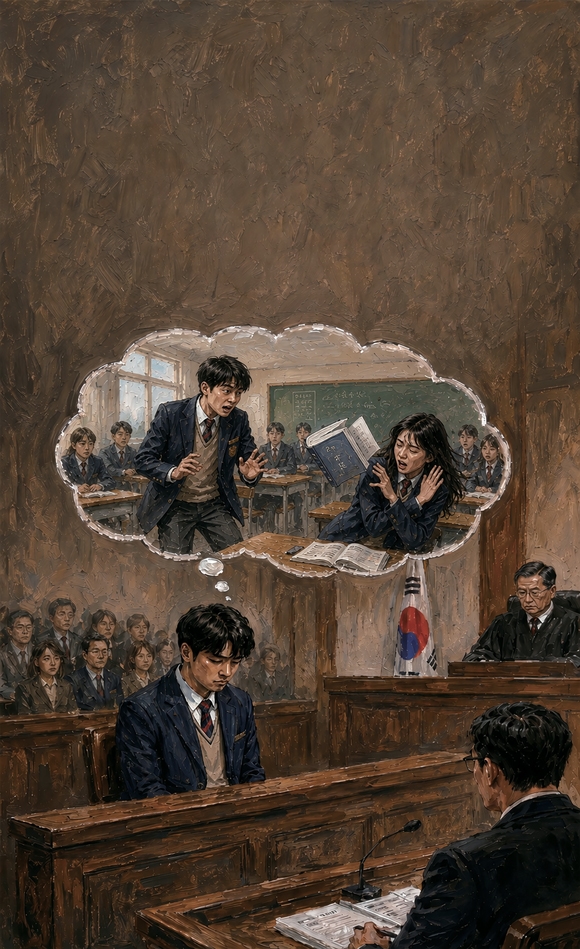
Вот А и Б, ученики третьего курса средней школы, собирающиеся поступать в колледж. В начале семестра мы учились в одном классе, но даже не знали номеров телефонов друг друга и никогда не разговаривали друг с другом. Однажды, в конце перемены, к нам зашел ученик из другого класса, чтобы одолжить учебник. Человек А бросил книгу к двери, чтобы передать ее, но из-за недостатка сил книга не дошла до двери и упала на г-жу Б, которая сидела посередине. Г-н А немедленно извинился, а г-жа Б проигнорировала инцидент без предварительного уведомления.
Однако несколько дней спустя г-н А. был объявлен виновником школьного насилия. Последовало возбуждение уголовного дела в связи с особыми травмами. Родители мисс Б неправильно поняли, что А намеренно швырнул книгу в их дочь. В школу и следственный орган были переданы сотни страниц материалов о том, что «наша дочь подвергается остракизму и преследованиям с прошлого года». Результатом было оправдание и никаких действий. Однако тем временем мальчик А несколько дней не мог ходить в школу, и в школе ходили слухи, что преступником был он. Деньги, которые родители группы А потратили на оплату адвокатов, составили десятки миллионов вон.
Кто-то может спросить: «Как это может быть школьным насилием?» Однако такие случаи в школах сегодня не редкость. Корейское общество уже достигло стадии, когда каждый незначительный конфликт и недопонимание, возникающие в классе, передаются через школьный комитет по борьбе с насилием, административную проверку и административное разбирательство в суд. Судебная система также начала двигаться в ногу с этой тенденцией.
В процессе борьбы со школьным насилием выявляется разрыв в экономической мощи родителей.
В феврале прошлого года Административный суд Сеула удвоил количество судов, рассматривающих дела о школьном насилии, с двух до четырех. Эта мера является ответом на всплеск связанных с этим исков, поскольку меры по борьбе с насилием в школах стали обязательными, начиная с вступительных экзаменов в колледж в 2026 году. Поскольку завершение иска, поданного против этого решения, откладывается, влияние на записи учащихся и график вступительных экзаменов возрастает, поэтому у суда нет другого выбора, кроме как ускорить процесс. Фактически, количество исков, связанных с насилием в школах в Сеуле, выросло в 2,6 раза за три года: с 51 в 2022 году до 134 в прошлом году.
Это явление не уникально для Сеула. Согласно статусу рассмотрения школьного насилия и процедурам апелляции, полученному репортерами Sisa Journal исключительно от Министерства образования 10-го числа, количество дел, рассмотренных Комитетом по рассмотрению мер по противодействию школьному насилию (далее именуемым Комитетом по школьному насилию), увеличилось на 77,8% за четыре года с 15 653 случаев в 2021 учебном году до 27 835 случаев в 2024 учебном году. Каждый год в школьном комитете по насилию накапливается 10 000 дел. Это означает, что количество конфликтов, происходящих в школе, перетекающих в административные процедуры, превысило критическую точку.
По мере нарастания обсуждений количество жалоб увеличивалось. За тот же период количество запросов об административных приговорах, поданных студентами-нарушителями, увеличилось с 875 до 1261, а количество административных исков увеличилось со 107 до 241. Обращает на себя внимание структура неповиновения. По сравнению с заявлениями потерпевших (10 → 3 случая) частота использования жалоб со стороны правонарушителей (107 → 241 случай) стабильно высока. В частности, в 2024 учебном году учащиеся-нарушители подали 583 заявления о приостановлении исполнения наказания, а учащиеся-жертвы подали только 11 заявлений, что свидетельствует о 53-кратном разрыве.
Приостановление исполнения приговора – это процедура, которая приостанавливает эффективность мер школьного комитета по борьбе с насилием до тех пор, пока дело не будет рассмотрено по существу. Если реализация меры будет отложена, сроки внесения в школьные записи будут отложены, а влияние на вступительные экзамены снизится. Более того, поскольку некоторые университеты начали упреждающе отражать данные о школьном насилии за 2025 учебный год в соответствии с правительственными директивами, тенденция старших студентов, которые более чувствительны к вступительным экзаменам, готовы подавать иски, стала более очевидной. Вот почему в этой области существует диагноз, согласно которому цель неповиновения ближе к «выигрышу времени», чем к «отмене диспозиции» как таковой.
За всплеском судебных исков стоит рост самих сообщений об ущербе. Согласно «Первому исследованию школьного насилия в 2025 году», проведенному Министерством образования, число учащихся, жалующихся на школьное насилие, увеличивалось каждый год до 53 600 в 2022 году, 67 700 в 2024 году и 81 500 в 2025 году. Это увеличение в 1,5 раза за 3 года.
Изменившееся в наши дни отношение родителей также играет роль в том, что жалобы ведут прямо в суд. Даже о проблемах, которые раньше считались детскими розыгрышами, теперь сразу же возникают сообщения. Наряду с утверждением, что «пострадал только я», нередки и случаи, когда даже случаи, близкие к халатности с обеих сторон, квалифицируются как насилие. Многие анализы говорят, что в основе этого лежит чрезмерная опека или необыкновенная привязанность к единственному ребенку. Шин Хе Сон, адвокат, специализирующийся на школьном насилии (бывший судья Сеульского суда по семейным делам), объяснила: «Раньше царила атмосфера, когда родители преступника извинялись, но теперь принято в ответ говорить: «Вы тоже должны взять на себя ответственность за мою ошибку».
По мере того, как правовые меры реагирования стали стандартизированными, процесс борьбы с насилием в школах стал этапом, на котором выявилось экономическое неравенство. Родители, которые могут позволить себе нести судебные издержки, борются до конца, но родители, которые не могут себе этого позволить, в конечном итоге сдаются, даже если они не виноваты. Родитель жертвы сказал: «Управление образования покрыло расходы на психологическую консультацию, что облегчило бремя, но стоимость иска была огромным бременем. Родители жертв школьного насилия объединили свои деньги и подали иск». Мы достигли стадии, когда даже родители жертв должны покрывать расходы за счет совместных инвестиций для борьбы внутри системы.
В частности, не подчиняясь школьным мерам по борьбе с насилием, родители становятся более нетерпеливыми, чем вовлеченные стороны. Дэвон Ким, юрист юридической фирмы «Дэрюн» (ранее член комитета по реагированию на школьное насилие Управления образования Южного округа Инчхона) сказал: «Чтобы изменить результат решения о школьном насилии, необходимо доказать значительное отклонение или злоупотребление правом усмотрения, что ни в коем случае не является легкой задачей». Что еще хуже, при объединении уголовного дела школьная комиссия по борьбе с насилием открывается с опозданием или возобновляется после ознакомления с результатами уголовного дела, что только усугубляет боль родителей, у которых нет психологических и финансовых ресурсов.
Более фундаментальная проблема, на которую указывают эксперты по правовым вопросам, которые внимательно наблюдали за случаями школьного насилия, идет еще дальше. Сама система борьбы с насилием в школах была разработана с учетом «крайних преступников и крайних жертв». Решительные меры, такие как немедленное разделение, отстранение от занятий в школе и запрет на контакты, необходимы для защиты действительно пострадавших учащихся. Однако адвокат Шин отмечает: «Конфликты на самом деле увеличиваются, поскольку одни и те же меры единообразно применяются к делам, близким к ложным сообщениям, или к очень незначительным делам».
Один инцидент, который он защищал, произошел между ученицами шестого класса. Инцидент, в ходе которого некоторые ученики отправили другу неприятную записку, был признан школьным насилием, а в ходе репортажа были выявлены все шалости, которые совершали друзья, называя друг друга «идиотами». В конце концов даже школьники, не имевшие никакого отношения к записке, были признаны преступниками, а некоторым из них удалось избежать процедуры только после того, как их признали «не школьным насилием». Адвокат Шин сказал: «Когда вы были молоды, даже если вы поругались с друзьями, разве вы не помирились на следующий день? Сегодня, как только родитель сообщает об этом, немедленно применяется разделение, и вам даже не дают возможности извиниться».
Там, где общение прервано, разрыв в восприятии углубляется. Даже если лицо, идентифицированное как преступник, захочет извиниться, у него нет никакой возможности, а человек, сообщивший о происшествии как о жертве, накапливает обиду, не получив извинений. Адвокат Шин сказал: «Во многих случаях оба родителя являются разумными людьми», но «поскольку контактная информация даже не разглашается, другой ребенок во время разлуки все чаще воспринимается как плохой ребенок».
Позиции учителей в классах, которые являются основным местом конфликтов, также стали меньше. После того, как вопросы школьного насилия были объединены в юрисдикцию Управления образования, у учителей почти не осталось возможности напрямую вмешиваться. Адвокат Шин сказал: «Учителя могут видеть, с кем обижаются», но добавил: «Если они встают на сторону потерпевшего, обычно другой родитель приходит в школу и кричит на них, поэтому, в конце концов, во многих случаях они не принимают чью-либо сторону и просто уходят». Он заметил, что в большинстве случаев, когда незначительные дела передаются в суд, возникает проблема с одним или обоими родителями преступника или жертвы. Бремя полностью перекладывается на учителя.
Само объединение Управления образования также является результатом проб и ошибок. Когда-то в отдельных школах существовали собственные школьные комитеты по борьбе с насилием. Поскольку ответственность была возложена на директора школы, имелся и положительный аспект в попытке решить проблему на школьном уровне. Однако, поскольку такие процедуры, как формирование комитета и уведомление о созыве, проводились экспертами, не являющимися юридическими лицами, процедурные дефекты возникали часто. Адвокат Шин сказал: «Несмотря на то, что это можно было признать насилием в школе, были накоплены случаи, когда решения в административном суде были нарушены из-за процедурных ошибок», добавив: «Школа почувствовала бремя повторного принятия тех же мер, поэтому был создан порочный круг перехода к более легким мерам». Его диагноз заключался в том, что объединение было ответом на побочные эффекты, но в результате одновременно были потеряны полевые работы и опыт.
«Школа должна занять центральное место и поощрять посредничество и примирение».
Тем не менее, общее мнение экспертов заключается в том, что ключ к решению проблемы должен быть в школах. Указывается, что пренебрежение школой своей роли лежит в основе того, что реакция на школьное насилие определяется логикой легального рынка. Адвокат Ким Дэ Вон отметил: «Первоначальная цель школьной системы насилия состоит в том, чтобы превратить правонарушителей в здоровых членов общества, направляя их и разрешая споры. Для этого необходимо активное вмешательство школ, но на самом деле школы игнорируют эту ответственность из-за административного бремени».
Фактически, в некоторых школах, когда происходит инцидент, существует сильная тенденция минимизировать или скрыть инцидент или, наоборот, механически передать его в школьный комитет по борьбе с насилием без педагогического руководства. Сухие административные процедуры заменяют образовательные решения, которые должны были быть достигнуты в классе. Адвокат Ким призвал к ответственной роли школ, заявив: «Не только жертвы, но и преступники в конечном итоге являются объектами защиты, которую школа должна принять и научить». Далее он предположил: «Школы не должны быть местом, где документы просто обрабатываются» и «Школы должны занимать центральное место с самого начала проблемы и в первую очередь находить образовательные решения, такие как поощрение посредничества и примирения между учениками и родителями».
Понятно, почему роль школ так важна. Это связано с тем, что если происходит насилие, ни одна система или закон не могут полностью излечить раны, нанесенные ребенку. Во многих случаях жертвы переводятся из школы или покидают школу, а некоторые в конечном итоге делают крайний выбор и заканчивают свою жизнь. Это не имеет ничего общего с социальным статусом или репутацией семьи.
Ярким примером является история актера Квон О Чжуна. Недавно он рассказал в эфире о том, что его сын, страдающий редким заболеванием, стал жертвой школьного насилия. Он рыдал, рассказывая о боли своего сына, которому в шею застряло стекло, и ему пришлось ползти в ванную. «Дети маленькие, так что такое может случиться», — спокойно сказал он, но сердце отца, которому пришлось везти истекающего кровью сына в отделение неотложной помощи, в конце концов сломалось.
Таким образом, увеличение количества судов, занимающихся насилием в школах, является скорее реакцией на рост количества споров. Проблемы, на которые указывают эксперты, также находятся на стадии рассмотрения спора в суде. Это разрыв между «чрезвычайным школьным насилием», предполагаемым системой, и реальным конфликтом, отсутствием опыта на этапе обсуждения и нарушенным общением в классе.
Я снова возвращаюсь в тот класс. Книга, брошенная в конце перемены, закончилась бы извинениями в школе. Однако, хотя система закрыла пространство для обмена этими словами, дело, наконец, дошло до суда после прохождения административных процессов и административных разбирательств. В конечном счете, способ снизить нагрузку на суды заключается не в увеличении числа судей. Все начинается с возвращения школе места, где одно слово может приходить и уходить.
Родители МЗ изменили «метод реагирования на школьное насилие»… Учителя также «белый флаг» в войне с судебными исками
В школах неоднократно поступают жалобы на то, что посредническая функция в классе практически парализована. Учительница по фамилии Ким (женщина, 35 лет), работающая в Хвасон-си, Кёнгидо, восемь лет, сказала в телефонном разговоре с Sisa Journal: «Даже если ученики примиряются, есть много случаев, когда родители отказываются извиняться до конца и настаивают на судебном иске. В наши дни, когда дело доходит до школьного насилия, учителя часто отдергивают руки. Есть также случаи, когда учителя берут на себя ответственность за неправильное вмешательство». Помимо бремени необходимости давать показания в качестве свидетеля, растет число случаев, когда учителя становятся целью поднимать вопросы в процессе борьбы с насилием в школе, а пространство для посредничества в классе становится все более узким.
В ситуации, когда даже учителя опустили руки, куда могут обратиться родители жертв школьного насилия? Трое родителей, чьи дети стали жертвами школьного насилия, с которыми Sisa Journal встретился в период с 20 по 30 апреля, рассказали разные истории, но все они согласились, что «наиболее реалистичная мера на данном этапе — оставить запись в записях учащихся». Это значит, что в ситуации, когда посредничество в классе не работает, единственным институциональным механизмом, на который могут рассчитывать родители, является аттестат учащихся.
Родители пострадавших: «Оставить запись в учетной записи ученика — реальное средство правовой защиты»
Г-н А., у которого дети учатся в начальной школе, сказал: «Необходимо наказать не только зачинщиков школьного насилия, но и всех учеников, которые в нем участвовали. Разве вред, нанесенный сердцам детей, не может быть устранен?» Он сказал: «Когда началось расследование, я узнал, что мой ребенок имел дело со всеми преступниками и бессовестной школьной администрацией в одиночку», и добавил: «Я чувствую обиду на себя за то, что заставил своего ребенка идти в школу, потому что он не хотел идти в школу».
Подобное чувство беспомощности продолжалось и у других родителей. Г-н Б, у которого ребенок учится в средней школе, сказал: «Была причина, по которой мой ребенок отказался идти в школу. Однако позиция школы была иной. На моего ребенка напали и даже слышали ругательства, но преступник получил только первое наказание (письменные извинения). Теперь я планирую переехать ради своего ребенка». Г-н С., ребенок которого учится в старшей школе, также сказал: «Школьное наказание моему ребенку, подвергшемуся нападению, было письменное извинение. Это несправедливый мир только для человека, на которого напали». Он добавил: «Это слишком легкое наказание по сравнению с травмами на всю жизнь и распадом семьи».
Чтобы услышать позиции обеих сторон, репортеры также встретились с г-ном Д., родителем ученика, которого признали виновным в школьном насилии. Г-н Д. заявил: «Ученик, который утверждал, что стал жертвой, и мой ребенок изначально были близкими друзьями» и «Но в какой-то момент он объединил усилия с другими учениками и внезапно начал обвинять моего ребенка как преступника».
Он сказал: "Они сообщили об этом телекомпании, не подтвердив факты, и выдвигают лишь односторонние претензии к СМИ. Они даже грозятся подать гражданский иск. Это только похоже на намерение полностью испортить жизнь ребенка, а не на объяснение через школьный комитет по борьбе с насилием, что является законной процедурой".
Фактически было подтверждено, что дети г-на Д. и жертвы имели долгосрочную связь, поскольку они были старшими и младшими в спортивном отделении. Хотя конкретные факты будут установлены в ходе будущих судебных баталий, позиция г-на Д. заключается в том, что многое из того, что известно в настоящее время, было злонамеренно преувеличено. Однако в ситуации, когда его уже заклеймили как преступника, ребенку г-на Д. практически негде стоять в школе. Г-н Д. утверждал, что у него сложилось впечатление, что школа и школьный комитет по борьбе с насилием уже обращались с его детьми как с преступниками и вынесли заключение еще до того, как расследование было завершено.
Проблема в том, что, хотя претензии обеих сторон идут параллельно, эмоциональный разрыв между родителями углубляется до непоправимого уровня еще до того, как раскрывается истинная природа инцидента. This acts as a decisive obstacle to reconciliation between the parties. The same goes for people complaining of frustration in the educational field. Учитель по фамилии Ким, упомянутый ранее, признался: «С точки зрения учителя я бы не чувствовал себя комфортно, потому что и преступник, и жертва — одни и те же ученики», но также: «Если вы поддерживаете позицию одной стороны, вы можете увлечься теорией ответственности, поэтому активное посредничество практически невозможно».
Репортер Тэджун Ли (jun@sisajournal.com)
[Посмотреть статью полностью]
Класс, где одна брошенная книга причиняет особую травму... «Школьное насилие» накапливается в суде (ярлык)






Запись на очную консультацию
Если у вас есть юридические вопросы, обратитесь к специализированному адвокату в ближайшем офисе.
