


1. Local Employment Lawyer Wage Claim Dispute Background
Employment litigation often begins with a disagreement over how working hours and standby periods should be interpreted.
In New York, disputes can arise when a former employee claims additional compensation beyond what was already agreed upon in the employment arrangement.
Standby Time Wage Claim Filed by a Former Employee
A company that operated an emergency dispatch and response service faced a lawsuit from a former employee who demanded additional wages.
The employee argued that the time spent waiting for emergency calls should be treated as paid working time.
As a result, the plaintiff claimed that the company owed unpaid wages for standby periods accumulated during the employment relationship.
The employer believed that the compensation structure already accounted for standby responsibilities.
Therefore, the dispute centered on whether those waiting periods were separately payable or already reflected in the agreed salary framework.
In situations like this, businesses frequently seek guidance from a Local employment lawyer who understands wage and hour litigation in New York.
2. Local Employment Lawyer Evidence and Contract Review
When wage claims arise, courts often focus on the written employment agreement and the actual payment practices between the parties.
Documentary evidence can play a decisive role in determining whether additional wages are owed.
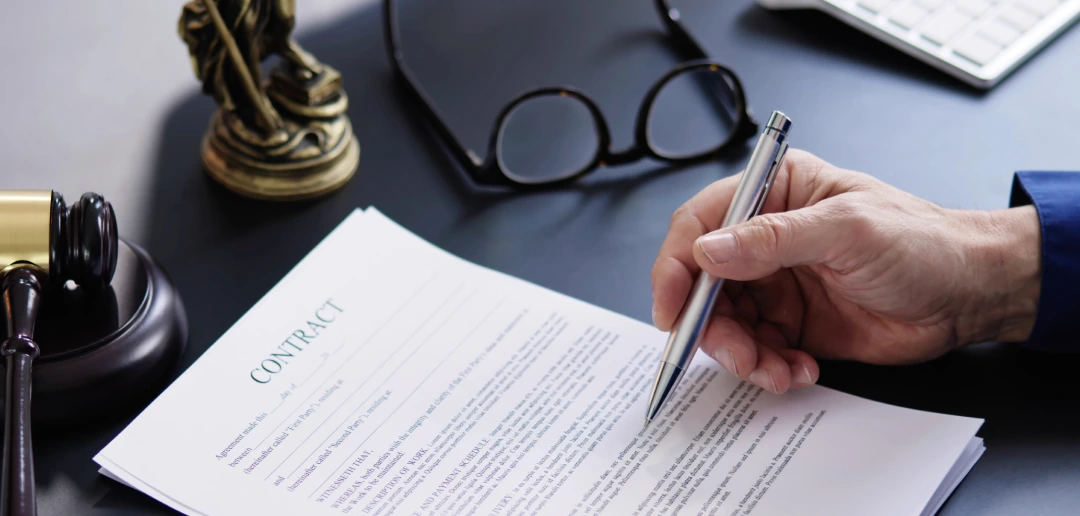
In this type of dispute, a legal team may carefully review employment contracts, payment records, and internal policies.
The objective is to demonstrate that the compensation arrangement was clear, consistent, and accepted by the employee during the course of employment.
Key evidence may include the following items.
• Written agreements outlining the salary structure and responsibilities
• Comparable contracts used with other employees in similar roles
• Payroll records showing consistent monthly compensation
• Internal communications explaining standby expectations
The plaintiff may argue that the contract language was altered or added after signing.
However, a Local employment lawyer may counter such allegations by presenting multiple comparable agreements with other workers, which demonstrates that the contract terms were standard rather than fabricated.
Demonstrating Authenticity of the Employment Agreement
Courts generally consider the authenticity and credibility of employment documents.
When several agreements share identical wording and were signed under similar circumstances, the likelihood of forgery claims succeeding becomes significantly lower.
A legal team may therefore present multiple signed agreements from other employees in the same operational system.
This type of evidence can show that standby duties were part of a broader compensation model used across the organization.
By demonstrating consistency, the employer strengthens the argument that the disputed clause was not inserted after the fact.
3. Local Employment Lawyer Litigation Strategy and Arguments
Once the evidence is organized, the next step is to present a structured argument explaining why the wage claim lacks merit.
In employment litigation, the credibility of documentation and payment history often becomes the central issue.
Legal Argument Regarding Standby Time Compensation
In a standby time dispute, the court typically evaluates whether employees were fully restricted during waiting periods or whether they maintained freedom to engage in personal activities.
If the waiting period was part of the agreed compensation arrangement, courts may determine that no additional wages are required.
A Local employment lawyer may therefore argue that the employee accepted a compensation system that already accounted for standby responsibilities.
The consistent payment pattern throughout the employment period can support the employer’s position that the salary covered both active response work and standby obligations.
4. Local Employment Lawyer Court Decision and Outcome
Employment litigation often concludes with a detailed review of documentary evidence and payment records.
Judges generally consider whether the plaintiff has sufficient proof to overcome the presumption that signed documents reflect the parties’ true agreement.
Court Dismisses the Wage Claim
In this type of dispute, the court may determine that the employee failed to present convincing evidence that the employment documents were invalid or manipulated.
When payroll records show that the same amount of wages was consistently paid over time, the court may view the compensation system as legitimate.
As a result, the wage claim may be dismissed on the grounds that the plaintiff did not establish a valid basis for additional compensation.
The employer, therefore, resolves the dispute without paying the requested standby wages.
Employment disputes involving standby time, compensation agreements, and wage claims can be complex.
However, careful documentation, consistent payroll practices, and strategic legal analysis can significantly strengthen an employer’s defense.
With the guidance of a Local employment lawyer in New York, businesses may be able to evaluate similar disputes and pursue a practical resolution strategy when facing wage litigation.
10 Mar, 2026
