




المعلومات القانونية

Corporate Closure in New York: Key Legal Steps Business Owners Should Know
New York corporate closure process explained by a business attorney:• Corporate closure in New York requires formal approval from the board of directors and shareholders, followed by filing a Certificate of Dissolution with the New York Department of State.• Businesses must settle outstanding debts, notify creditors, liquidate assets, and distribute remaining funds to shareholders according to legal priority rules.• Companies must also complete final federal and state tax filings and obtain a tax clearance certificate before the dissolution process can be finalized.Corporate closure represents a significant legal and financial undertaking that requires careful planning and strict compliance with New York state regulations. Whether your business is dissolving voluntarily or facing involuntary termination, understanding the corporate closure process is essential to protect your interests and fulfill your legal obligations. This guide explains the key steps involved in corporate closure, the relevant New York statutes that govern the process, and the important considerations business owners must address to ensure a smooth and legally compliant dissolution.
اقرأ المزيد

Cross-Border Class Action Procedures and Key Strategies
Cross-border class action 3 Key Insights: Establishing jurisdiction, navigating international discovery, and coordinating global settlements.A cross-border class action involves litigation where class members reside in multiple countries or jurisdictions, creating complex procedural and jurisdictional challenges. These cases typically arise from incidents affecting consumers across international boundaries, such as data breaches, product liability issues, or securities fraud. Understanding the structure and requirements of cross-border class actions is essential for both plaintiffs seeking recovery and defendants preparing their defense strategies.
اقرأ المزيد

Environmental Compliance: What Drives Your Regulatory Risk?
Environmental compliance for corporations involves meeting federal, state, and local regulatory requirements that govern air and water quality, hazardous waste handling, emissions reporting, and land use practices. Corporate environmental obligations span multiple statutes and enforcement agencies, each with distinct reporting timelines, permit requirements, and penalty structures. Understanding which rules apply to your operations, maintaining accurate records, and responding promptly to agency notices are essential to building a defensible compliance posture. This article addresses the key statutes and agencies that govern corporate environmental obligations, the documentation and record-keeping practices that support a compliance defense, the procedural steps in agency enforcement actions, and the elements of a proactive compliance program.
اقرأ المزيد
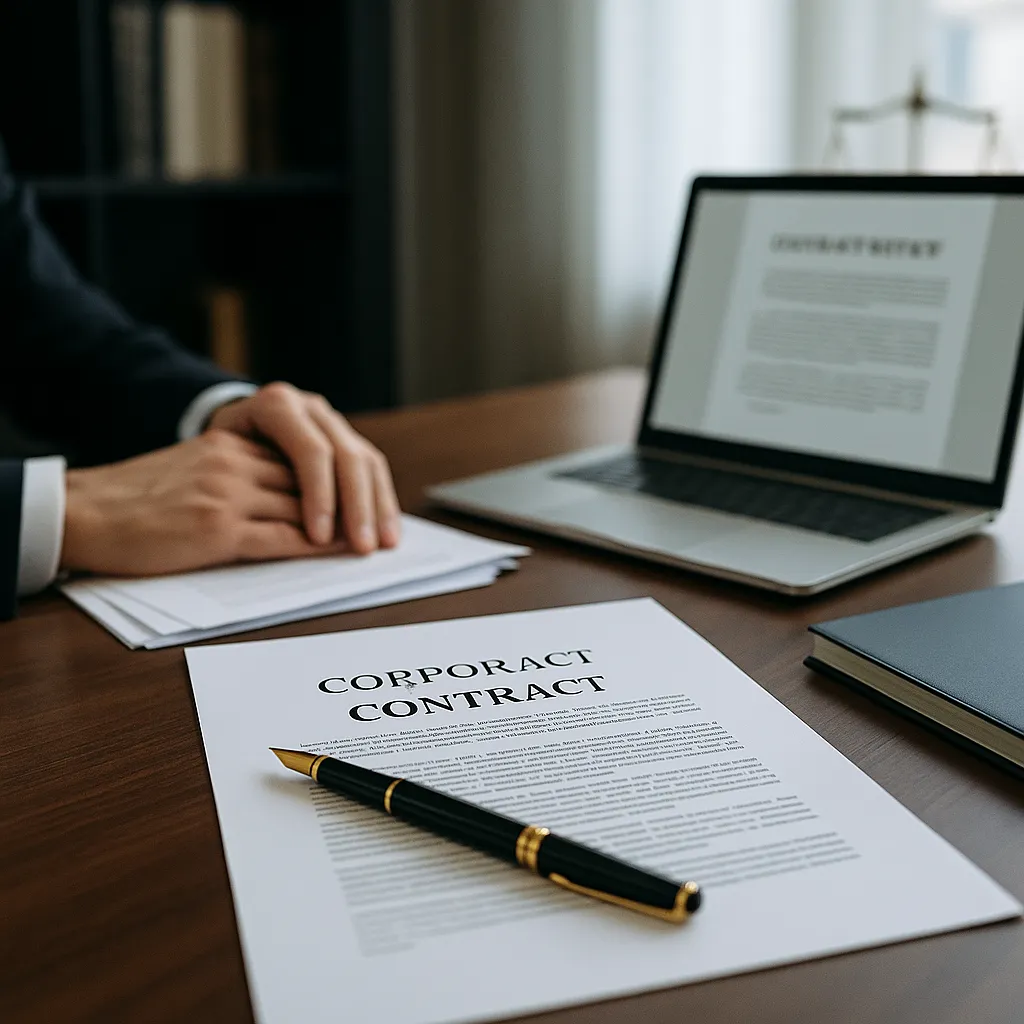
Law Office in NYC Attorney Explains Criminal Law Office Countermeasures
Law Office in NYC Attorney's Guide: Navigating Complex Court Systems, Challenging Prosecution Evidence, and Strategic Defense Through Each Legal StageA law office in NYC that specializes in criminal law provides essential legal representation for individuals facing criminal charges in New York. Criminal law encompasses a broad range of offenses, from misdemeanors to felonies, and requires experienced legal counsel to navigate the complex court system. Whether you are dealing with drug charges, assault, theft, or other criminal matters, a qualified criminal law office in NYC can protect your rights and advocate for the best possible outcome in your case.
اقرأ المزيد

How a Medical Debt Relief Attorney in New York Can Help Resolve Medical Debt Problems
A medical debt relief attorney in New York helps you challenge billing errors, stop unlawful collection calls, and pursue debt settlement or bankruptcy relief under federal and New York consumer protection law. Medical debt can pile up fast, and I have seen firsthand how a single hospital bill can spiral into wage garnishment threats or lawsuit notices. If you are facing this situation, you are not alone, and you do have rights. A qualified medical debt relief attorney can review your itemized bills for duplicate charges or errors, negotiate directly with creditors to reduce balances by 30 to 60 percent, and defend you against collectors who violate the Fair Debt Collection Practices Act or New York General Business Law Section 349. Whether your best path is a negotiated settlement, a structured payment plan, or Chapter 7 or Chapter 13 bankruptcy, an experienced medical debt relief attorney will help you make that call with clarity and confidence.
اقرأ المزيد

Understanding Non-Monetary Class Action Remedies and Strategic
Non-monetary class action remedies achieve justice through mandatory injunctive relief, formal legal declarations of liability, and long-term protective monitoring services.Non-monetary class action remedies represent a critical component of modern consumer protection litigation in New York and throughout the United States. These remedies extend far beyond simple financial compensation, encompassing injunctive relief, declaratory relief, and systemic reforms that address the root causes of widespread harm. Class members and lead plaintiffs increasingly pursue non-monetary class action remedies to achieve lasting corporate accountability and prevent future violations. Understanding these remedies helps stakeholders recognize that class actions serve purposes beyond individual compensation, fundamentally reshaping corporate conduct and governance standards.Remedy TypePurposeTypical ApplicationInjunctive ReliefCompel or prohibit future conductData security improvements, enhanced monitoringDeclaratory ReliefEstablish legal standards and liabilityFormal findings of violation and corporate responsibilityCorrective AdvertisingCounteract misleading statementsPublic disclosure of corporate wrongdoingMonitoring ServicesMitigate ongoing harm to class membersIdentity theft protection, credit monitoringThe core takeaway is that non-monetary class action remedies serve the public interest by establishing enforceable standards for corporate behavior, providing meaningful relief that extends beyond money damages, and creating systemic protections that benefit entire classes of consumers. When pursuing non-monetary class action remedies, plaintiffs and their counsel focus on securing court orders that fundamentally alter how defendants operate, ensuring compliance with consumer protection laws, and preventing recurrence of the harmful conduct. This approach transforms litigation into a vehicle for corporate reform rather than merely compensating individual losses.
اقرأ المزيد
