




المعلومات القانونية

How Does Franchising Law Govern Corporate Franchise Operations?
Franchising law is a specialized regulatory framework that governs the relationship between franchisors and franchisees, establishing disclosure obligations, contract standards, and remedies for breach or misrepresentation.Corporations operating franchise systems face distinct legal exposure because they must comply with federal and state franchise disclosure statutes, manage franchise agreement enforceability, and defend against claims of fraudulent inducement or operational interference. This article examines the disclosure requirements imposed by the Federal Trade Commission and state regulators, the defenses available to franchisors in litigation, and the procedural steps necessary to minimize legal risk. Understanding these protections enables corporate franchisors to structure their franchise systems in compliance with applicable law and to respond effectively when disputes arise.
اقرأ المزيد

Attorney in Queens NY’S Strategic Approach to Summary Order
Attorney in Queens NY’s Key Points: Proven Evidence Standards, Procedural Compliance in Queens County, and Effective Opposition StrategiesA summary order is a judicial decision issued without a full trial, typically used in civil litigation to resolve disputes efficiently. Understanding how summary orders work in Queens, New York is essential for business owners, property managers, and individuals facing civil claims. An attorney in Queens NY with experience in summary order proceedings can help you navigate the procedural requirements, present compelling evidence, and protect your legal interests before the court issues a final determination.
اقرأ المزيد
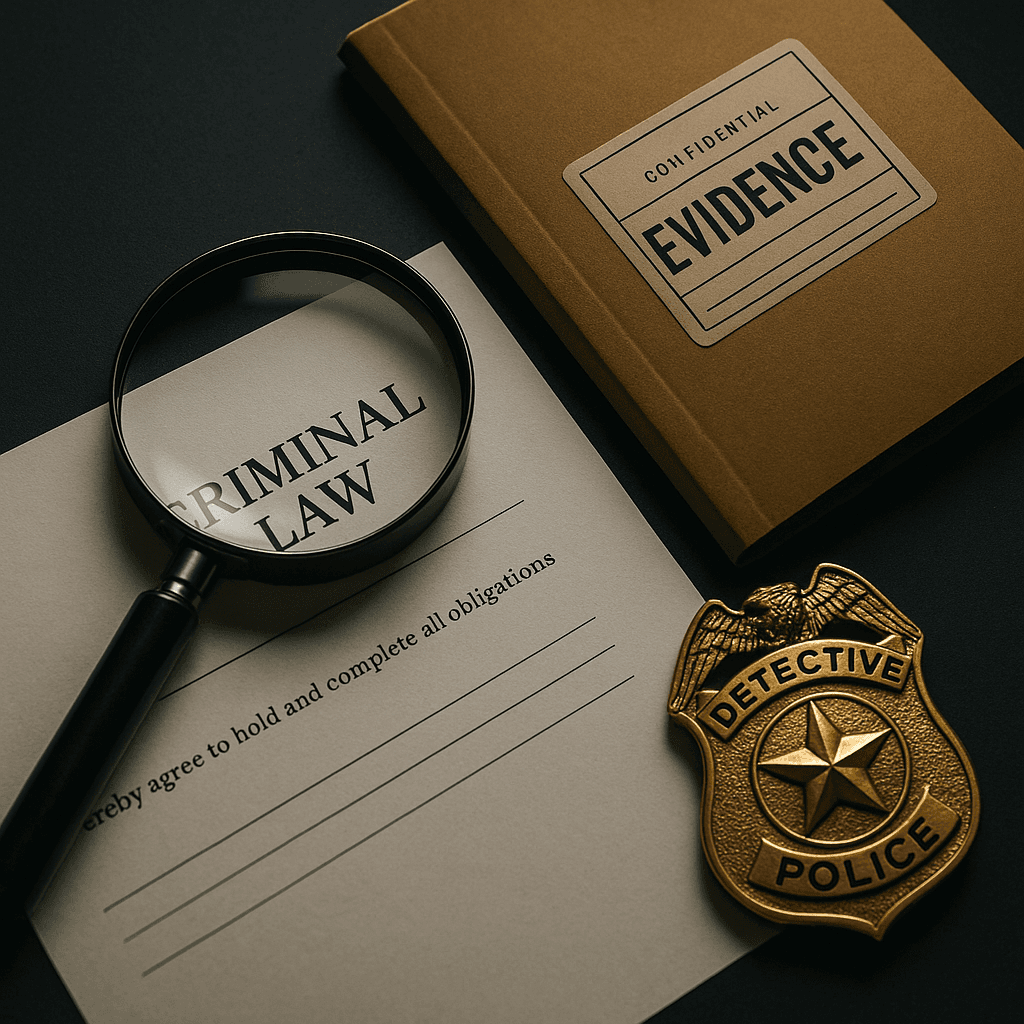
Arson Sentencing: Penalties and Defense Strategies in New York
Arson is treated as one of the most serious violent felonies in New York, with sentencing heavily dependent on the danger posed to human life. Whether a fire was set in an abandoned lot or an occupied residential building determines the vast difference between a five-year sentence and life behind its bars. Understanding how judges weigh aggravating factors like the use of accelerants against mitigating evidence is the first step in building a strategic defense. Sentencing Determinations: Risk vs. MitigationDegree Classification: Second-degree arson typically carries 5 to 15 years, while first-degree charges for occupied structures can exceed 25 years.Aggravating Elements: Judges often increase severity if an accelerant was used, if the act was intentional rather than reckless, or if the defendant has a prior violent record.Mitigating Factors: Cooperation with authorities, lack of prior criminal history, and evidence of mental health issues can lead to more favorable sentencing outcomes.Financial Restitution: Beyond prison time, courts mandate full compensation to victims for property damage and medical expenses, which can last for years.
اقرأ المزيد

How Does Compliance Enforcement through Courts Actually Work?
Compliance enforcement through courts occurs when regulators seek judicial remedies, such as injunctions or civil penalties, to stop unlawful conduct. Compliance enforcement through courts is a formal process where agencies seek judicial intervention to stop violations and compel legal adherence. When compliance enforcement through courts begins, your organization's response in the first weeks often determines the outcome. Courts may issue injunctions, civil penalties, or mandatory corrective orders.
اقرأ المزيد

How Do I Defend against an Environmental Case?
An environmental case is a civil or administrative proceeding in which a regulatory agency, property owner, or third party alleges that your business or facility has violated environmental statutes, regulations, or common law duties to prevent contamination, hazardous substance releases, or ecological harm. Success in defending an environmental case depends on understanding the plaintiff's or regulator's burden of proof, identifying procedural defects in notice or investigation, and preserving evidence of compliance efforts or causation gaps. Courts and agencies often apply strict liability frameworks, meaning intent may be irrelevant, but your defense strategy must turn on whether the regulated party caused the alleged harm, whether proper notice was given, or whether statutory deadlines for enforcement have expired.
اقرأ المزيد

Attorney in Queens Explaining 3 Key Aspects of Presumption of Innocence
Attorney in Queens's 3 Key Aspects: Constitutional Due Process, Burden of Proof on Prosecution, and Protection Against Prejudicial EvidenceThe presumption of innocence is a foundational principle in the American criminal justice system that protects the rights of defendants in Queens and throughout New York. This legal doctrine requires that every person accused of a crime is considered innocent until proven guilty beyond a reasonable doubt. Understanding how this principle applies to your case is essential when working with an attorney in Queens who can defend your rights at every stage of criminal proceedings.
اقرأ المزيد
