




المعلومات القانونية

What Should a Corporation Know about Cyber Litigation?
Cyber litigation encompasses claims arising from data breaches, ransomware attacks, network intrusions, and digital intellectual property disputes, each carrying distinct liability exposure, insurance implications, and regulatory reporting obligations that corporate defendants and claimants must navigate carefully. Unlike traditional commercial disputes, cyber claims often involve parallel tracks: civil litigation, regulatory investigation, and potential criminal referral to law enforcement. The threshold question for any corporation facing or bringing a cyber claim is whether the incident triggers mandatory disclosure requirements under New York law and federal statutes, because delayed or incomplete notice can result in separate statutory penalties independent of the underlying litigation outcome. From a practitioner's perspective, the intersection of contract interpretation, insurance coverage, and data protection statutes creates procedural complexity that demands early strategic assessment of scope, parties, and available remedies.
اقرأ المزيد

Understanding Gambling Fines and Penalties
3 Key Gambling Penalties Points From a New York Attorney:Federal charges up to $250,000, state misdemeanor fines $500–$1,000, felony conviction triggers permanent recordGambling violations in New York carry substantial financial and criminal consequences. State law distinguishes between illegal gambling operations, unlicensed betting, and participation in prohibited games. Federal statutes impose separate penalties for interstate gambling and money laundering connected to gaming activity. Understanding the severity of these penalties and the procedural safeguards available is critical for anyone facing charges or operating in the gaming space. The main keyword, gambling fines and penalties, encompasses both civil administrative fines and criminal sanctions that can reshape a person's financial and professional future.
اقرأ المزيد

What Are the Legal Steps in a Corporate Identity Theft Dispute?
Corporate identity theft disputes involve fraudulent use of a business's identity, credit profile, or legal standing, creating operational, financial, and reputational risks that differ significantly from consumer identity theft claims. When a corporation discovers that someone has opened accounts, obtained credit, filed false tax returns, or engaged in other fraudulent activity in its name, the response involves multiple legal and administrative tracks simultaneously. The corporation must address credit reporting errors, potential fraud with creditors and government agencies, and possible civil recovery or criminal referral. Understanding the procedural landscape and timing requirements helps protect the business from compounding losses and preserves the corporation's ability to challenge fraudulent obligations later.
اقرأ المزيد

Understanding Gambling Law
Participating in or facilitating unauthorized sports gambling in Washington D.C. .an lead to serious legal consequences under local gambling law. This article explores the legal definitions, penalty ranges, and potential defense strategies for those accused of violating gambling law, especially in relation to illegal sports betting and unlicensed sportsbook operations. The District of Columbia strictly regulates wagering activities, making it essential to understand the potential charges associated with any violation under D.C.'s comprehensive gambling law.
اقرأ المزيد
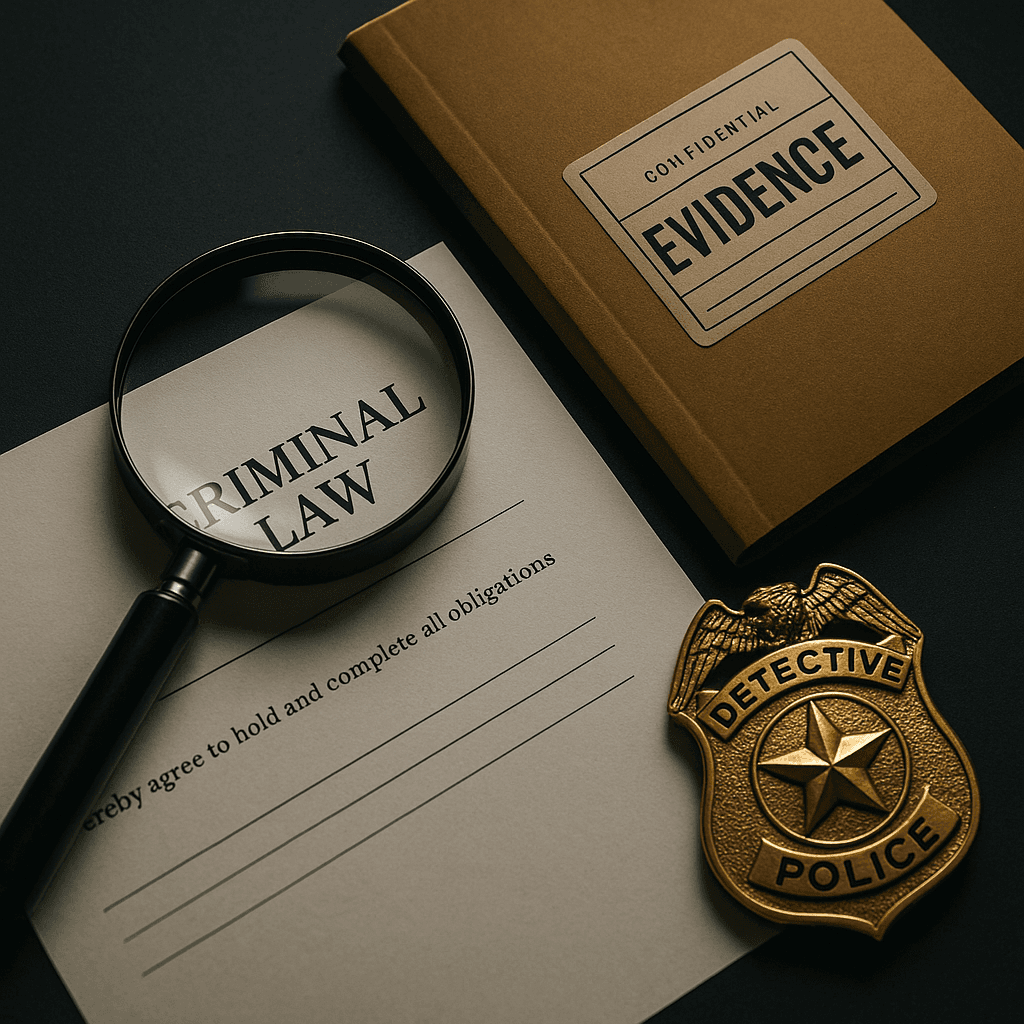
What Legal Steps Follow a Corruption Case Allegation against a Company?
Corruption allegations can expose a corporation to parallel criminal and civil liability, regulatory sanctions, and operational disruption that extend far beyond any single prosecution outcome. From a corporate governance perspective, understanding how corruption cases develop, what triggers investigation, and how liability attaches across multiple forums helps boards and management evaluate risk early. Corruption investigations often involve federal agencies, state prosecutors, and regulatory bodies simultaneously, each pursuing distinct legal theories and remedies. The stakes include criminal conviction, civil penalties, license revocation, debarment from government contracts, and reputational harm that can affect operations, financing, and stakeholder confidence.
اقرأ المزيد

Property Damage Attorney Explains Property Damage Offenses
A property damage offense may arise when a person intentionally or unlawfully damages another's property. Learn the legal elements, potential criminal penalties, and how liability is evaluated under Washington, D.C. .aw. A property damage offense in Washington, D.C. .enerally involves intentionally or unlawfully damaging another person's property in violation of criminal law. Whether conduct qualifies as a property damage offense depends on factors such as intent, the nature of the damage, and the surrounding circumstances. Understanding these legal elements can help individuals evaluate potential criminal liability and the legal process that may follow.
اقرأ المزيد
